


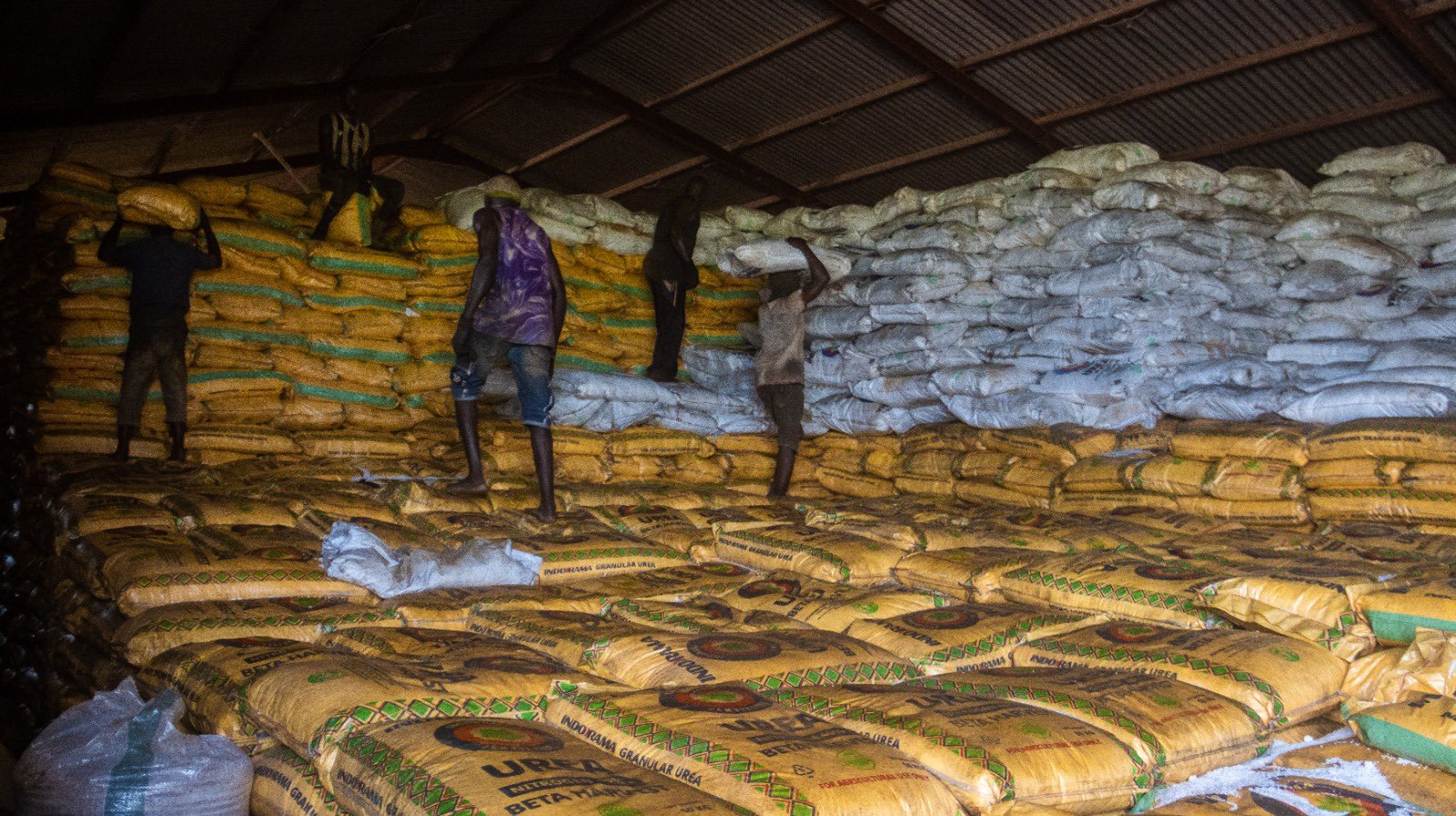
Nigeria Secures Adequate Fertilizer Supplies Ahead of 2026 Rainy Season
PFI NPK Limited, a subsidiary of Nigeria’s Ministry of Finance and the implementing agency for the Nigerian Presidential Fertilizer Initiative (PFI), announced it has secured enough fertilizer supplies for the upcoming 2026 rainy farming season. This development is crucial as Nigeria grapples with the pervasive threat of global supply chain disruptions, exacerbated by ongoing tensions in the Middle East, particularly involving Iran, Israel, and the United States.
The company’s proactive sourcing strategy has helped avert potential supply shortages, enabling it to secure vital fertilizer raw materials ahead of geopolitical tensions that have triggered price increases and heightened supply uncertainty in global markets. As a result, PFI NPK estimates it has saved around N61.58 billion by locking in supplies before international market prices surged.
This accomplishment occurs amidst a challenging climate for several African nations, where rising fertilizer costs and supply constraints have emerged due to disruptions in key transport routes, escalating freight rates, and subsequent increases in the prices of essential fertilizer inputs.
Strategic Procurement Achievements
Procurement records from the first quarter of 2026 reveal that PFI NPK secured nine vessels carrying a total of 407,304 tons of fertilizer raw materials. Coupled with initial stock, the company has ensured the availability of 534,219 tons of materials for domestic NPK fertilizer production, with fully established letters of credit guaranteeing an uninterrupted supply chain.
Government Efforts to Address Fertilizer Challenges
In a recent announcement, President Bola Tinubu confirmed that Nigeria has obtained over 449,000 tonnes (approximately 9 million bags) of fertilizer inputs, aimed at bolstering agricultural production and enhancing food security. Historically, Nigeria has struggled with fertilizer procurement due to escalating raw material costs, supply chain issues, and product redirection, which often restrict access for smallholder farmers who drive domestic food production.
To combat these challenges, the administration of former President Muhammadu Buhari initiated strategic partnerships with Morocco and Russia under the Presidential Fertilizer Initiative. This initiative was designed to revitalize a dormant fertilizer compounding plant and enable discounted phosphate imports from Morocco, eventually expanding to support local production at a $1.3 billion basic chemistry platform.
Distributing Millions of Bags of Fertilizer
By mid-April, PFI NPK reported that over 323,109 tons of raw materials—equivalent to about 6.5 million 50 kg bags of fertilizer—had been allocated to registered compounding factories nationwide. This figure includes approximately 198,264 tonnes (around 4 million 50kg bags) already picked up by blending plants, indicating active distribution ahead of the primary planting season.
Significant Cost Savings Achieved
PFI NPK attributes its substantial cost savings to its early procurement strategy. Financial records indicate that this approach resulted in approximately $43.99 million (roughly N61.58 billion) in savings compared to current spot market prices. For instance, granular ammonium sulphate was acquired at $228 per tonne, significantly lower than the prevailing price of $343 per tonne. Similarly, diammonium phosphate was secured at $775 per tonne, compared to today’s market rate of $950, while potassium salt was purchased at $400 per tonne against a current price of $430.
Shielding Farmers from Market Volatility
Armstrong Ume Takan, Director of PFI NPK, emphasized the company’s forward-thinking approach to mitigating external market pressures on Nigeria’s agricultural sector. By taking decisive early action to secure supplies, fix prices, and implement necessary financial instruments, PFI NPK has protected the country’s agricultural community from the current global disruptions impacting fertilizer markets.
Takan further stressed that the availability and affordability of fertilizers are vital for agricultural productivity and food security, particularly in light of rising input costs in multiple countries. He affirmed that PFI NPK aims to deliver 648,000 tonnes of raw materials in 2025, escalating to 1.52 million tonnes in 2026. Underpinning these operations is a robust governance framework supported by independent oversight, standard procedures, and compliance measures involving regulatory bodies.
Looking ahead, PFI NPK plans to foster government-to-government partnerships with international suppliers while developing a digital enterprise system for real-time monitoring of procurement, inventory, and distribution activities. These initiatives are designed to fortify the long-term security of supply and ensure farmers maintain consistent access to fertilizers despite global market uncertainties.
