


Guardian of Vulnerable Immigrants Faces Hurdles
In March, Ruby Robinson, a Michigan attorney, faced a setback when her client—a woman who had endured physical abuse at the hands of her husband—was denied legal status. Robinson’s client reported incidents of strangulation, physical force, and financial control, highlighting a troubling pattern of domestic violence.
Complicated Marital History
The couple had married in the U.S. after a long courtship, and the woman supplied a marriage certificate along with letters from a close friend and the husband’s daughter, all affirming the marriage’s authenticity and their desire to remain together. Despite this, she applied for legal status as a victim of domestic violence, only to find herself in a challenging legal landscape due to recent policy changes from federal regulators.
Changes to VAWA’s Protections
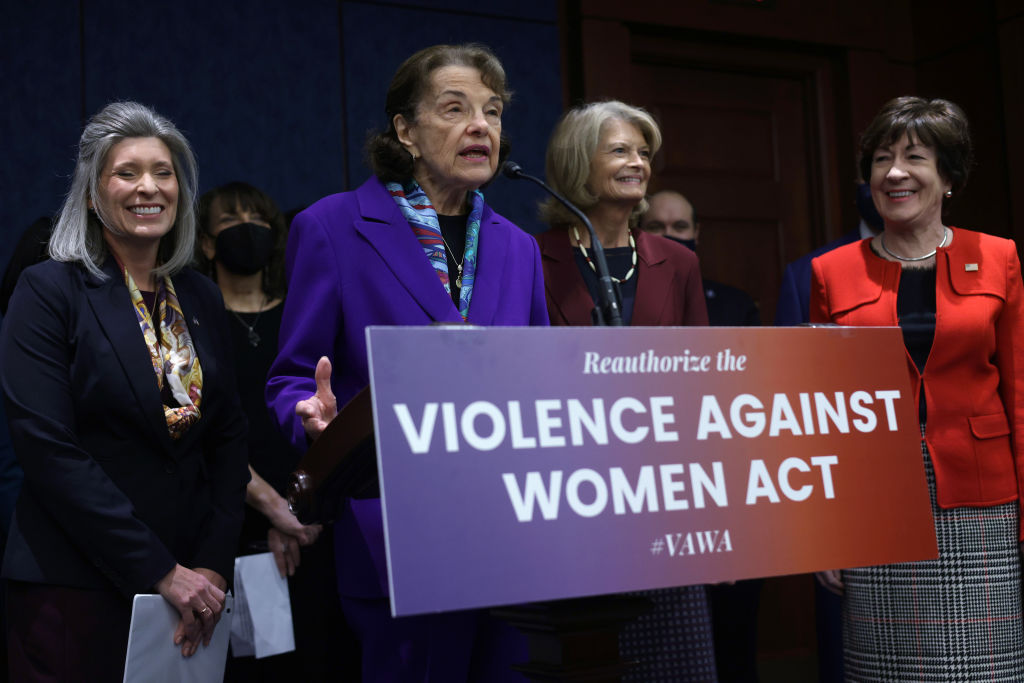
Under the federal Violence Against Women Act (VAWA), which has provided a path to legal status for abuse victims since 1994, spouses of U.S. citizens or green card holders may self-petition if they have suffered abuse. However, the Trump administration revised these guidelines in December, increasing scrutiny of applications from domestic violence victims. U.S. Citizenship and Immigration Services (USCIS) is now demanding stricter proof of cohabitation to validate claims of a “bona fide” marriage.
Overcoming Legal Barriers
Despite providing a four-page photo collection and an affidavit from a long-time acquaintance, Robinson’s client’s application was rejected. Immigration officials claimed there was insufficient evidence to establish the marriage as genuine. Advocates have raised concerns that these new requirements, while aimed at preventing fraud, inadvertently establish hurdles that further traumatize survivors who already navigate perilous situations. Witnesses to their suffering often face jeopardy when presenting evidence, particularly if abusers leverage the threat of deportation to intimidate them.
Impacts of Stricter Definitions
The recent policy revisions not only include tighter definitions of “abuse” and “cruelty” but also impose additional barriers for survivors. Advocates argue that narrowing these definitions places unjust burdens on victims trying to escape abusive circumstances. Evidence suggests many may refrain from reporting due to fear of retribution or deportation, which can further exacerbate their plight, especially during heightened enforcement periods.
Wider Implications for Legal Practitioners
Legal experts underscore that the updated guidelines require victims to prove their abuser’s citizenship or resident status while simultaneously demonstrating a shared residence during the time of abuse. This poses substantial challenges, as many victims lack sufficient documentation proving their housing due to their abuser’s control over finances and records. Notably, Robinson’s client was not included on any tenancy agreements, complicating her situation further.
Calls for Reform and Support
Individuals in immigration law, like attorney Marou Chavez, have voiced the need for reforms that recognize the complexities survivors face. While ensuring program integrity is essential, they advocate for measures that protect survivors without compromising their safety or access to justice. Furthermore, experts are urging the government to broaden its scope of evaluation when assessing application trends, particularly as reports indicate an increase in male applicants seeking shelter under VAWA protections.
Cecilia Friedman Levin from the Immigrant Survivors Alliance echoes this sentiment, emphasizing the importance of distinguishing between valid applicants and fraudulent claims. With authorities now scrutinizing applicants more closely, there is fear that genuine survivors will be deterred from seeking help. The recent legislative shifts could jeopardize the very protections that VAWA was designed to safeguard.
