


Oil Prices Decline Following US-Iran Hostility Suspension
Oil prices experienced a significant drop yesterday as traders reacted favorably to the announcement of a cessation of hostilities between the United States and Iran, alleviating concerns about potential disruptions to global oil supplies via the strategic Strait of Hormuz.
Brent crude, which serves as Nigeria’s benchmark and an international oil price indicator, fell by 9% during early trading, dipping below $88 a barrel. This decline reverses much of last week’s increase, where prices had surged toward $100 a barrel following an attack on a Saudi oil tanker by Iran-backed Houthis in the Red Sea. By Monday evening, Brent crude had slightly rebounded, trading around $90 per barrel.
The downturn in oil prices coincides with indications that the 13-day conflict between the United States and Iran might be easing. This development has raised hopes that diplomatic channels could replace military actions, thereby diminishing the risk to oil exports from the Gulf region.
Iran stated it had ceased what it termed retaliatory attacks after two nights of U.S. missile strikes. This announcement followed reports that the U.S. Ambassador to the United Nations, Mike Walz, revealed President Donald Trump opted to pause the bombing campaign to allow more time for diplomacy. A senior U.S. military official had advised the President that air operations were nearing their effectiveness limits.
The easing of tensions has boosted market confidence, suggesting that stability in the Middle East may soon return—a promising sign after months of shipping disruptions. The conflict had been impacting the flow of oil and gas through the Strait of Hormuz, particularly affecting vessels navigating the Bab al-Mandab Strait from the Red Sea.
Analysts from Deutsche Bank, led by Jim Reid, noted that the nearly 10% rise in Brent prices last week raised concerns about a potential prolonged inflation shock to the global economy. Such rising oil prices typically increase energy costs, fueling inflation and pressuring central banks, including the U.S. Federal Reserve, to raise interest rates. Expectations of monetary tightening have also led to higher Treasury yields in recent weeks, reflecting investor apprehensions surrounding persistent inflationary trends.
AfDB Warns of Severe Economic Impact from Potential Super El Niño
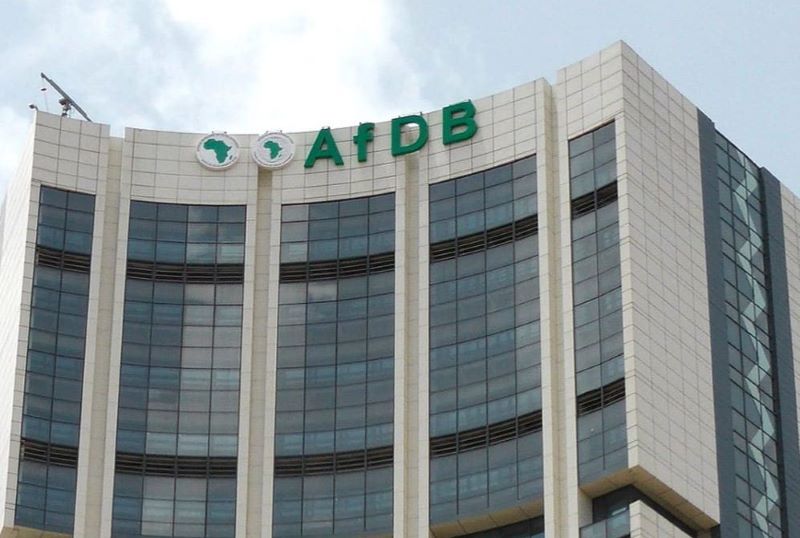
The African Development Bank (AfDB) has issued a stark warning that an anticipated “super” El Niño weather phenomenon could result in economic losses ranging from $10 billion to $20 billion for African nations, diminish overall economic growth, and displace millions of people. This natural climate pattern is characterized by unusually warm ocean temperatures in the central and eastern Pacific Ocean, affecting weather patterns globally.
According to Anthony Nyong, the bank’s director of climate change and green growth, nations hardest hit by extreme weather events could see their gross domestic product (GDP) drop by an average of 1-2%. He emphasized that intensifying climate conditions pose threats to food and water supplies, damage infrastructure, and exert additional strain on government budgets—especially when many countries are already grappling with high levels of debt.
Nyong explained that in response to climate disasters, governments often repurpose funds originally allocated for health, education, and infrastructure, effectively trapping themselves in what he calls a “climate finance trap.” The AfDB had previously forecasted a 4.2% growth for Africa’s economy in 2026 and 4.4% in 2027, contingent upon a reduction in global geopolitical tensions. However, these estimates were made prior to the latest alerts regarding the advent of a “super” El Niño.
The last El Niño event, which took place during 2023-2024, resulted in severe droughts that inflicted significant harm on African agriculture, leading to crop failures and unprecedented hikes in food prices. The AfDB has estimated that African farmers have incurred losses exceeding $330 million this year due to climate-related factors, with the fishing industry also facing challenges as rising sea temperatures diminish fish populations.
Nyong projected that Africa’s annual climate adaptation financing needs, originally estimated at around $50 billion, could spike to as high as $100 billion in light of the anticipated strength of El Niño. He noted that the AfDB is planning to review its project strategies in September and may consider restructuring investments to assist impacted countries. Furthermore, the bank intends to collaborate with various international climate financing bodies to secure additional resources.
Urgently, Nyong pointed to countries such as Sudan, South Sudan, the Democratic Republic of the Congo, Somalia, Mali, Burundi, and Nigeria, which could be particularly vulnerable to humanitarian crises, including acute food shortages and displacement. He cautioned that corn prices might double in certain regions, exacerbating pressures on at-risk communities and inducing significant migration as people search for food, water, and safer living conditions.
Emphasizing the critical nature of proactive investment in climate resilience, Nyong asserted that prevention efforts are significantly less costly than post-disaster recovery. The distinct warning echoes the sentiment: investing in infrastructure and adaptation measures now is essential to safeguard the future against mounting climate threats.
