


Expansion Hinges on Central Bank Support
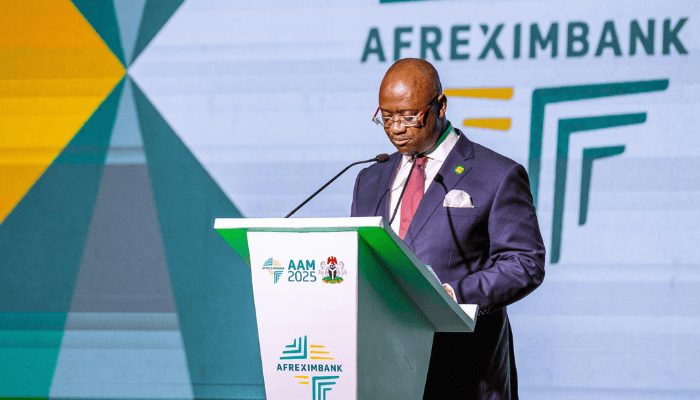
George Elombi, President of the African Export-Import Bank (Afreximbank), has urged Africa’s central banks to expedite the launch of the Pan-African Payments and Settlement System (PAPSS). He emphasized that increased participation is essential for reducing the continent’s reliance on the US dollar in cross-border trade, while also alleviating trade obstacles within Africa’s fragmented financial ecosystem.
Resistance Slows Payment Platform Rollout
During a recent meeting with editors in Abuja, Elombi noted that despite the growing utilization of payment platforms across various African markets, resistance from certain financial authorities has significantly delayed their widespread implementation. “The central bank didn’t fully grasp the role of PAPSS, fearing it might supersede regulatory functions,” he explained. “PAPSS is functional and necessary; without efficient payment mechanisms, transacting will remain difficult.”
PAPSS Promoting Usage of Local Currencies
Developed by Afreximbank in collaboration with the African Union and the African Continental Free Trade Area Secretariat, PAPSS allows businesses and financial institutions to settle cross-border transactions using local currencies. This reduces the need for correspondent banks and reliance on hard currencies such as dollars, ultimately lowering transaction costs. Afreximbank estimates that the initiative could save the continent over $5 billion annually in transactional expenses.
Regional Examples of Success
Elombi likened payment platforms to critical trade infrastructures like ports and railways, arguing that a cohesive payment system is vital for the success of the African Continental Free Trade Area (AfCFTA). He cited Ethiopian Airlines as a successful illustration of how companies can bypass the need for dollars to complete regional transactions, highlighting the practical benefits of settling deals directly in local currencies.
Implementation Delays Due to Regulatory Approval
Currently, PAPSS consists of commercial banks from 28 African nations, but its broader implementation hinges on regulatory endorsements from national central banks. While over 190 commercial banks are part of the platform, Elombi noted that this figure is significantly below Afreximbank’s targets. He revealed that the bank restructured its payment model after discovering that depending solely on central banks for foreign currency liquidity created bottlenecks in the process.
Clarifying the Role of PAPSS
Elombi sought to alleviate concerns that PAPSS may compromise financial authorities, asserting it is designed to enhance, not replace, existing regulatory frameworks. He also cast aside fears regarding the long-range influence of cryptocurrencies on Africa’s payment systems. He insisted that payment mechanisms endorsed by sovereign institutions will remain the foundation of cross-border commerce. “While we acknowledge the rise of stablecoins and other digital assets, proper backing is essential for trust,” he remarked.
Fostering Local Processing of Minerals
In addition to advocating for improved payment systems, Elombi stressed the need for African nations to advance within global value chains by focusing on local processing of critical minerals rather than exporting raw resources. He noted that the worldwide shift towards electric vehicles represents a pivotal opportunity for industrialization. Following his recent visit to China, where he explored various battery manufacturing facilities, Elombi highlighted that the future of global manufacturing will increasingly revolve around battery production, data centers, and advanced processing industries.
Investment Strategies Supporting Local Manufacturing
Elombi articulated that Africa possesses the necessary mineral resources and financial means to engage in emerging value chains; however, a critical gap remains in technological expertise. “We have the resources and financial capacities, but we lack expertise,” he stated, advocating for investments in local manufacturing capacity for battery materials instead of merely exporting raw materials like lithium. Afreximbank’s financing strategy is increasingly directed towards projects that facilitate mineral processing within Africa, reflecting a strategic move away from financing industries that focus solely on the export of raw goods.
