


Nigeria Urges African Unity in Digital Development
Nigeria has called for greater collaboration among African nations to shape the continent’s digital future. Emphasizing the significance of cooperation in telecommunications, artificial intelligence, cybersecurity, and digital infrastructure, Nigeria is preparing for critical global policy discussions.
Collaborative Efforts by African Telecommunications Regulators
Dr. Aminu Maida, Executive Vice Chairman and CEO of the Nigerian Communications Commission (NCC), highlighted the necessity for African telecommunications regulators to engage in a more intentional and systematic exchange of knowledge to enhance organizational effectiveness.
Unified Stance Ahead of Global Conferences
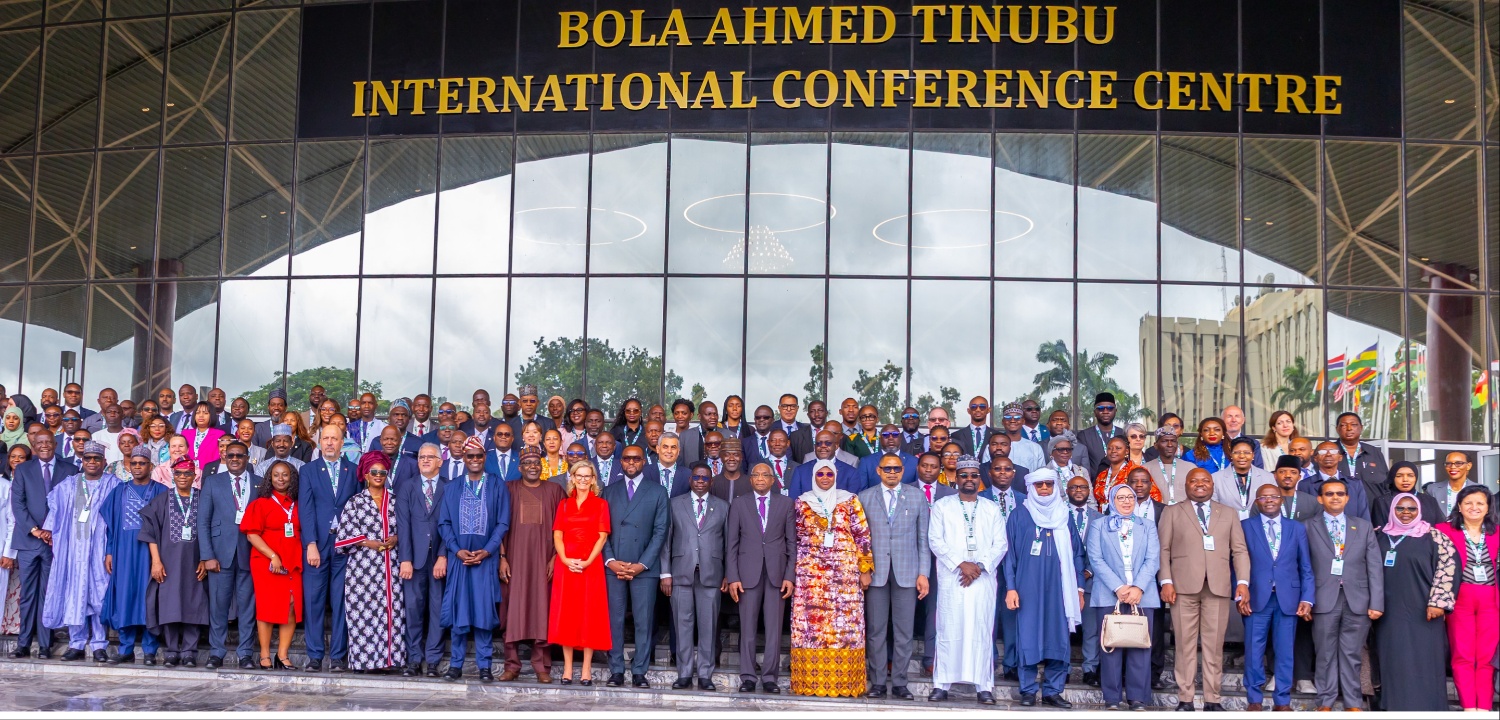
This appeal was made during the African Telecommunication Union (ATU) conference in Abuja, where Nigeria’s Vice President Kassim Shettima, represented by Senator Ibrahim Hadeiyah, stressed the importance of a united African position ahead of the 2026 International Telecommunication Union (ITU) Plenipotentiary Conference in Doha, Qatar.
Consensus on Global Telecommunications Issues
In his welcome address on behalf of President Bola Ahmed Tinubu, Shettima characterized the conference as a vital platform for African nations to reach agreements on issues impacting the future of global telecommunications and digital advancement. He asserted that digital technology is emerging as a major driver of economic growth, public service delivery, and youth empowerment.
Redefining Infrastructure for National Development
Shettima further remarked that broadband infrastructure, artificial intelligence, cloud computing, satellite communications, and secure digital networks are now as critical to national development as traditional infrastructure like roads, railways, and electricity. He noted, “Digital technology has transformed from merely an enabler to a core component of development. The strength of our digital ecosystem now significantly influences national competitiveness, economic productivity, and opportunities for the youth.”
Emphasizing Collective Responsibility in Digital Transformation
He emphasized the importance of collective action, stating that no country, regardless of its size or resources, can singularly achieve Africa’s digital ambitions. “To advance our digital goals, we must collaborate to enhance affordable connectivity, improve cybersecurity, advocate for responsible AI governance, and standardize service levels across the continent,” Shettima insisted.
Commitment to the African Digital Agenda
Moreover, the Vice President reaffirmed Nigeria’s dedication to the African Union’s Agenda 2063 and the digital transformation strategy for the continent. He outlined how digital advancement is central to job creation, enhanced education, healthcare improvements, financial inclusion, gender empowerment, and sustainable economic development.
Investment in Digital Infrastructure and Cooperation
Stressing Nigeria’s commitment, Shettima noted that the Tinubu administration is focused on investing in broadband expansion and improving digital infrastructure, artificial intelligence, innovation, and cybersecurity. He urged African nations to present a unified stance in global technology governance, aspiring for Africa to shift from being passive participants to influential contributors in shaping digital technology’s future.
Encouraging Participation in Global Digital Leadership
Shettima also called on member states to support African candidates for leadership roles within the ITU Board, expressing optimism about upcoming ATU leadership elections bolstering Africa’s voice in advancing its digital transformation agenda.
Announcing the Launch of the Atlas Network
During the conference, Minister of Communications, Innovation and Digital Economy, Dr. Bosun Tijani, expressed gratitude for President Tinubu’s support for hosting the ATU conference. He emphasized the importance of approaching the 2026 ITU plenipotentiary session as a united entity focused on defending Africa’s interests in global digital governance.
Harnessing Africa’s Young Population for Innovation
Tijani highlighted the continent’s youthful population and rapidly growing digital landscape as key assets for establishing Africa as a global technology leader. He announced the launch of the Atlas Network, a continental initiative aimed at developing large-scale language models and AI technologies tailored to Africa’s unique languages, cultures, and knowledge systems.
Building Capacity for Digital Engagement
Emphasizing the need for continued investment, Tijani stated, “We must strengthen regional cooperation and present a unified stance to effectively engage in global digital regulation.” He characterized the current moment as critical for Africa in the global digital economy, noting that the continent is home to one of the fastest-growing digital ecosystems.
Addressing AI Disparities for Transformation
On the topic of artificial intelligence, Tijani pointed out the disparities in support for African languages within AI systems. With Africa accounting for nearly one-tenth of the world’s languages, he underscored Nigeria’s commitment to tackling these challenges through its long-term AI strategy, which aims to establish the Atlas Network as a platform to create locally relevant language models for Africa, developed by Africans.
The Role of Regulators in a Complex Landscape
Dr. Maida noted the critical role telecommunications play in global economies and the complex challenges regulatory bodies face. He acknowledged the varied market sizes, legal frameworks, and national priorities but emphasized the commonality of responsibilities among regulators and the need for collaborative discussions.
