


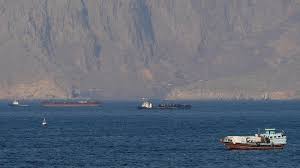
Africa is currently navigating a complex landscape characterized by rising geopolitical tensions, shifting capital flows, and uneven economic growth across major markets. From currency challenges in East Africa to record-high valuations in Nigeria’s banking sector, the continent is facing a blend of opportunities and risks amid an increasingly volatile global backdrop.
Rising Risks for the Kenyan Shilling Amid Escalating Iran Conflict
The Kenyan shilling has become one of the most vulnerable currencies in Africa, as global banks caution that escalating oil prices linked to the conflict in Iran could exert additional pressure on East Africa’s largest economy. Analysts from Citigroup, Standard Chartered, and Société Générale shared insights with Bloomberg, noting that the shilling’s recent stability might be difficult to sustain. With Kenya importing nearly all of its fuel, the nation is particularly susceptible to shocks in oil prices.
This situation is significant because the stability of Kenya’s currency underpins investor confidence. A prolonged oil crisis could exacerbate the current account deficit, weaken the shilling, and necessitate a tightening of financial conditions, underscoring the impact of external shocks on macroeconomic stability across the continent.
Zenith Bank Surpasses N5 Trillion Market Cap, Leading Nigeria’s Banking Sector
Zenith Bank has made history as the first Nigerian lender to exceed a market capitalization of N5 trillion, reinforcing its status as Nigeria’s most valuable banking institution. This milestone is attributed to the bank’s robust earnings performance and investor enthusiasm surrounding its plans to list on the London Stock Exchange (LSE) by 2027.
The significance of Zenith’s valuation achievement lies in the increasing investor appetite for high-quality banking assets in Nigeria, despite prevailing macroeconomic challenges. It also highlights the growing necessity for capital market development and cross-border listings, which are crucial for unlocking value within African financial institutions.
Ethiopia, Guinea, and Uganda Projected to Drive Africa’s Growth in 2026
The International Monetary Fund (IMF) forecasts that Sub-Saharan Africa’s economy will grow by 4.3% in 2026, though this growth is expected to be uneven across the region. Emerging economies like Ethiopia, Guinea, and Uganda are anticipated to perform particularly well due to significant infrastructure investments, robust commodity exports, and proactive policy reforms. Meanwhile, larger economies such as Nigeria and South Africa continue to grapple with structural limitations.
This shift towards a frontier-led growth model signifies a transformation in Africa’s economic hierarchies. Investors may increasingly seek opportunities beyond traditional dominant markets, focusing on smaller and faster-growing economies that offer the potential for higher returns and transformative impacts.
Expansion of African Business Activity Amid Increasing Global Tensions
African private sector activity has demonstrated renewed strength in the first quarter of 2026, with several economies reporting expansion despite global uncertainties stemming from tensions involving the U.S., Israel, and Iran. An analysis of data from the S&P Global Purchasing Managers Index (PMI) reveals that business conditions are improving in various African markets.
This resilience in private sector activity indicates that the fundamental momentum of the economy remains stable, even in the face of heightened global risks. Such resilience could bolster growth prospects and enhance Africa’s appeal as a diversification strategy for global investors.
Renewed Pressures for Africa Following Iran’s Closure of the Hormuz Route
African economies are encountering renewed cost challenges after Iran reclosed the Strait of Hormuz on April 18, reversing a temporary reopening that had eased pressures in global oil markets. The closure of this critical oil transport route is likely to lead to higher energy prices and increased import costs for oil-dependent countries in Africa.
The repercussions of elevated oil prices are multifaceted, impacting inflation, fiscal stability, and currency values across the continent. This current turmoil further emphasizes Africa’s vulnerability to external energy shocks and underscores the urgency of diversifying energy sources while strengthening economic resilience.
Chart of the Week
This week’s featured chart highlights critical trends impacting African economies, providing insights into the evolving landscape shaped by geopolitical tensions and economic growth opportunities.
