


Submitted
July 11, 2026
Non-traditional state agencies increasingly engage in immigration enforcement, from university police to wildlife conservation officers.
After reporting potential fraud to the Florida Department of Financial Services, Daniela was instead arrested and handed over to ICE.
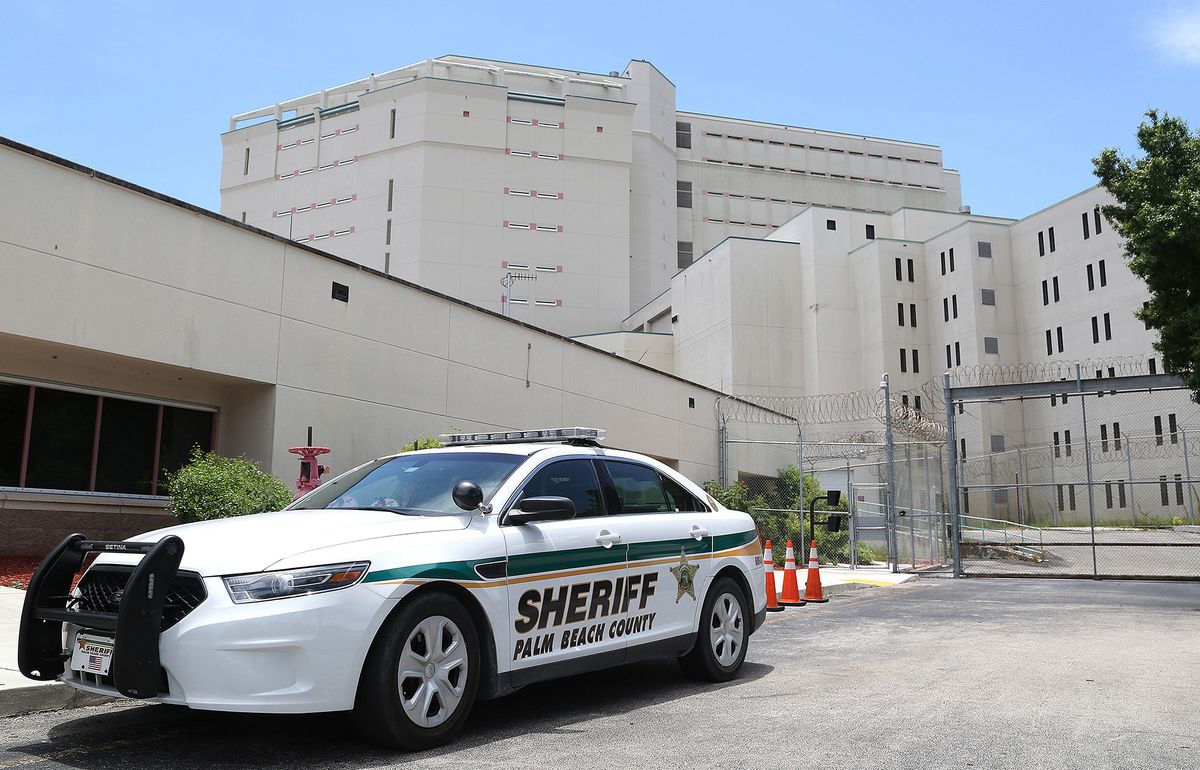
Scott Keeler/Tampa Bay Times via ZUMA Press Wire
In January, Daniela received an encouraging email from a detective, closing the gap on her long-awaited investigation regarding an insurance fraud case involving her previous employer. Her communications with the Florida Department of Financial Services included answering numerous questions and submitting documents. “It was a pleasure speaking with you,” the detective noted, assuring her that the case would progress to prosecutors.
Originally from Colombia, Daniela arrived in the United States on a work permit and is married to a U.S. citizen. With a pending green card application, she opted to conceal her last name to protect her immigration status. However, her journey took an unexpected turn during a subsequent appointment with a detective, where she was abruptly detained, handcuffed, and taken to jail before being transferred to an immigration detention center. Her records indicate no prior criminal history.
Describing the ordeal, Daniela expressed that the manner of her arrest was profoundly distressing. Despite her cooperation, this incident sheds light on the increasing enforcement authority of the Trump Administration’s 287(g) Task Force program. This initiative allows local law enforcement agencies to enforce federal immigration laws, a practice that had been curtailed during the Obama administration amid civil rights concerns. Since then, the program has expanded dramatically, with over 12,000 local officers now equipped to carry out immigration arrests, which critics argue undermines public safety.
Authorities in 32 states, along with two U.S. territories, have joined the program, which has resulted in numerous arrests, including incidents where crime victims and those seeking assistance have been apprehended. Reports indicate that fear of immigration detention has led some individuals to refrain from contacting police for help. Alarmingly, departments with no traditional law enforcement mandate, such as wildlife conservation agencies in Louisiana and Florida, are now also involved.
Florida stands out with a particularly high number of non-traditional agencies participating in this program, with at least 17 universities entering into agreements with ICE. The state’s Department of Environmental Protection and the Department of Financial Services’ Criminal Investigation Division—primarily focused on fraud, arson, and state fund misuse—have also aligned with these efforts. Notably, the latter has recorded over 800 immigration suspensions and arrests since August 2025, with individuals being detained in various scenarios, such as while fishing or commuting to work.
Daniela’s arrest, occurring amidst an ongoing public fraud investigation, raises significant concerns. The Department of Financial Services has not disclosed relevant documents related to the case despite repeated requests. It remains unclear how the initial fraud investigation was ultimately resolved, and whether other cases have been affected by similar arrests, along with the extent of the Department’s involvement in immigration enforcement practices.
After her detainment, Daniela experienced a harrowing journey through multiple ICE facilities before eventually securing her release on bail in May. She has filed a complaint with the Department of Financial Services and requested arrest records, but has yet to receive a response. Shocked by her treatment, she lamented that she felt criminalized despite her initial intention to seek help from law enforcement.
Daniella commented, “A crime has occurred, but it was a crime against immigrants.”
