


AI Discovery Could Revolutionize Pancreatic Cancer Detection
Pancreatic cancer is notoriously difficult to diagnose early, often being identified only when it has reached advanced stages. However, recent research indicates that artificial intelligence may hold the potential to recognize the disease long before tumors become visible on imaging scans.
Promising Results from Mayo Clinic Research
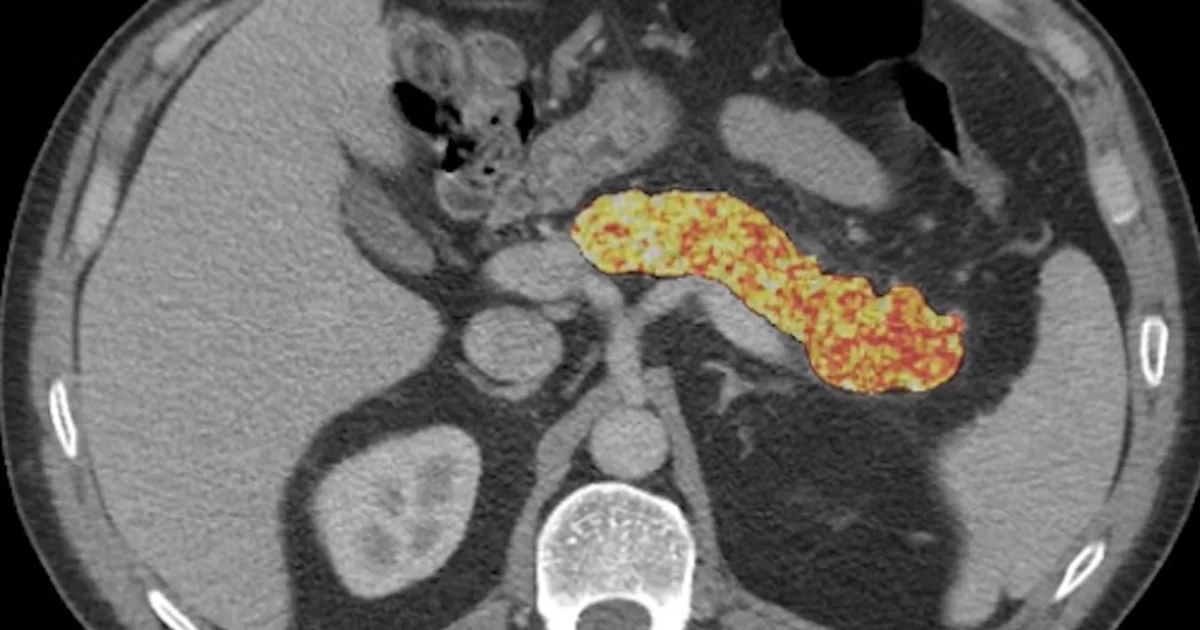
Researchers at the Mayo Clinic in Rochester, Minnesota, have developed an AI model that successfully identified abnormalities in patients’ CT scans up to three years prior to their diagnoses of pancreatic cancer. This significant breakthrough is detailed in a study published in the journal Gut.
Comparative Analysis Illustrates AI’s Effectiveness
The model was trained using CT scans from patients initially diagnosed with other conditions who later developed pancreatic cancer. Radiologists were then tasked with evaluating the scans, leading to the discovery that the AI model outperformed human analysis, being three times more effective at detecting preliminary signs of cancer.
Understanding the Biology of Pancreatic Cancer
According to Dr. Ajit Goenka, a radiologist at the Mayo Clinic and one of the study’s authors, the biology of pancreatic cancer suggests it is not a sudden onset; rather, the indicators exist long before the disease becomes critical. Recognizing these signs is crucial for early detection and intervention.
The Urgent Need for Improved Detection Methods
Pancreatic cancer currently has a discouraging five-year survival rate of just 13%. By 2030, it is expected to be the second leading cause of cancer-related deaths. Alarmingly, about 80% of patients are diagnosed at advanced stages, highlighting the need for more proactive screening methods.
Limitations of Current Screening Practices
Unlike more common cancers, such as colon and breast cancer, there are no standard tests to screen for pancreatic cancer in the general population. Challenges arise from the pancreas’s deep location in the abdomen as well as late-developing symptoms that typically appear only after the cancer has metastasized.
AI’s Ability to Detect Early Warning Signs
The Mayo Clinic’s AI model is particularly adept at identifying subtle changes in pancreatic cells that could indicate the presence of cancer. Research indicates that these abnormal cells play a role in protecting the tumor from immune detection, an important aspect that has been difficult to visualize using conventional imaging techniques.
Looking Ahead to Future Applications
The AI model could become a vital tool for individuals at higher risk for pancreatic cancer due to factors like family history or diabetes, even in the absence of symptoms. This could lead doctors to recommend further testing, such as blood tests and imaging, enhancing the chances of early detection.
Advancements Beyond AI
The Mayo Clinic study is not the only advancement in the field of pancreatic cancer research. Recent trials have demonstrated the potential of an mRNA vaccine to improve survival rates and uncovered an experimental drug that significantly extends survival for patients in advanced stages. Additionally, researchers are exploring innovative blood tests that could detect the disease earlier.
The Road Ahead for Early Detection
As the field evolves, experts believe AI can play a critical role in increasing the number of patients eligible for surgery and other treatments by identifying pancreatic cancer at earlier stages. While the Mayo Clinic’s AI model is still undergoing clinical trials with long-term monitoring required, the findings represent a significant leap toward improved diagnostic capabilities in the battle against this challenging disease.
