


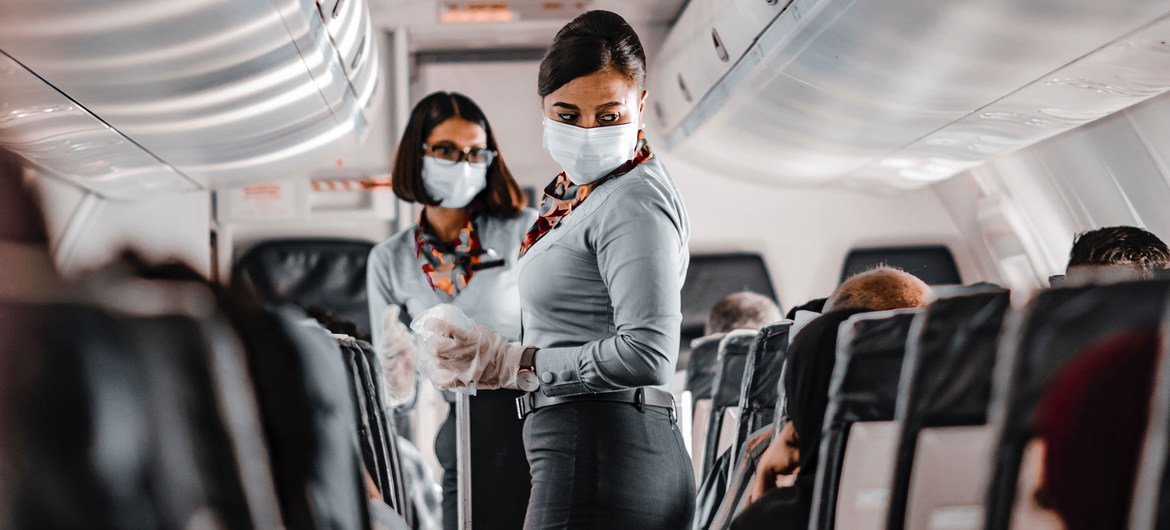
Experts Predict Limited Impact of COVID-19 Resurgence on Aviation
Aviation industry professionals are optimistic that a new surge in coronavirus infections will not significantly disrupt flight operations this year, unlike the global lockdown experienced in 2020. The consensus among experts is that the airline sector has learned valuable lessons from the pandemic and is better equipped to handle future challenges, provided that appropriate health protocols are followed.
Recent reports indicate a rise in COVID-19 cases in Nigeria, with the most recent confirmed case located in Cross River State. The state’s Ministry of Health has initiated contact tracing for individuals who were in proximity to a Chinese national who tested positive for the virus and is now receiving treatment in a health facility.
Dr. Richard Eisbeogun, an air transport executive and former Managing Director of the Federal Airports Authority of Nigeria (FAAN), highlighted that while any resurgence of COVID-19 could pose challenges to the aviation, logistics, and public health sectors, it should not lead to the same drastic measures as before. He emphasized that economic activities should continue without the widespread disruptions seen during the initial outbreak.
To prevent repeating the burdensome responses of the past, Eisbeogun stressed the importance of utilizing existing data and strategic foresight. He argues that public health safety must remain paramount, but solutions should be balanced and data-driven rather than reactionary. “The priority should be moving away from blanket restrictions such as border closures and flight suspensions,” he advised.
Highlighting the need for a risk-based approach, Eisbeogun recommended that authorities implement targeted health protocols based on real-time data. He pointed out that air transportation is essential for economic activities, and ensuring its continuity is vital for maintaining economic health. Furthermore, he called for the strengthening of airport health management systems to facilitate efficient operations without unnecessary delays.
Addressing the financial burden on travelers is another critical concern. During the previous outbreak, passengers faced multiple testing requirements and high costs. Eisbeogun advocates for a transparent and standardized approach to health protocols, along with a focus on digital solutions for health verification to streamline the travel experience.
Collaborative Approach Needed Among Aviation Stakeholders
A coordinated effort involving the Federal Ministry of Aviation and Aerospace Development is essential, Eisbeogun noted. He urged for a unified framework among aviation authorities, health services, customs, and other stakeholders to ensure consistent policy implementation and avoid confusion. Clear communication of guidelines to the public is also vital to prevent panic and misinformation.
Industry analysts are echoing sentiments of caution rather than alarm in light of the new COVID-19 case reports. Amos Akpan, Managing Director of Flight and Logistic Solutions Limited, stated that while infections persist, they are at manageable levels, and travelers should not overreact. He emphasized the importance of timely reporting and public awareness about symptoms, arguing that flights should remain operational.
Industry insider Fidel Olu Ofnayo reinforced this view, suggesting that a gradual reactivation of previous protocols is necessary without inciting public panic. He acknowledged that with the pandemic’s fluctuations, the aviation sector must adapt while implementing necessary safety measures. Ofnayo called for dialogue among stakeholders to devise effective strategies for managing potential outbreaks, highlighting the need for strong medical infrastructure and guidelines to facilitate safe travel.
As the global understanding of COVID-19 evolves, experts argue that the focus should shift from harsh restrictions to measured responses that prioritize public health and economic stability. The aviation industry’s capacity to adapt will play a crucial role in navigating these challenges while ensuring the safety and confidence of air travelers.
