


Tech Titans Face Off in High-Stakes Courtroom Drama
OAKLAND, Calif. — Six prominent tech billionaires gathered in court for an unprecedented legal showdown that unfolded over three weeks, showcasing immense concentrations of wealth and power amidst a lawsuit filed by Elon Musk.
The case, now in the hands of a nine-person jury set to begin deliberations soon, has illuminated the stark contrasts in how U.S. federal courts operate, particularly when influenced by the financial prowess of their litigants.
Catherine Bracey, CEO of TechEquity and a significant observer throughout the trial, noted that this is likely the most public engagement the billionaire defendants have seen in years. Her organization focuses on addressing inequality created by the tech sector, underlining the complexities of its audience.
The proceedings primarily concern OpenAI, the artificial intelligence startup credited with innovations like ChatGPT. Musk, who co-founded OpenAI and has provided substantial early funding, asserts that the organization has strayed from its nonprofit beginnings by establishing a for-profit branch and accepting investments from external entities such as Microsoft. In contrast, OpenAI and Microsoft argue that the nonprofit retains control over the organization, claiming Musk’s allegations stem from conflicts of interest related to his competing startup, xAI.
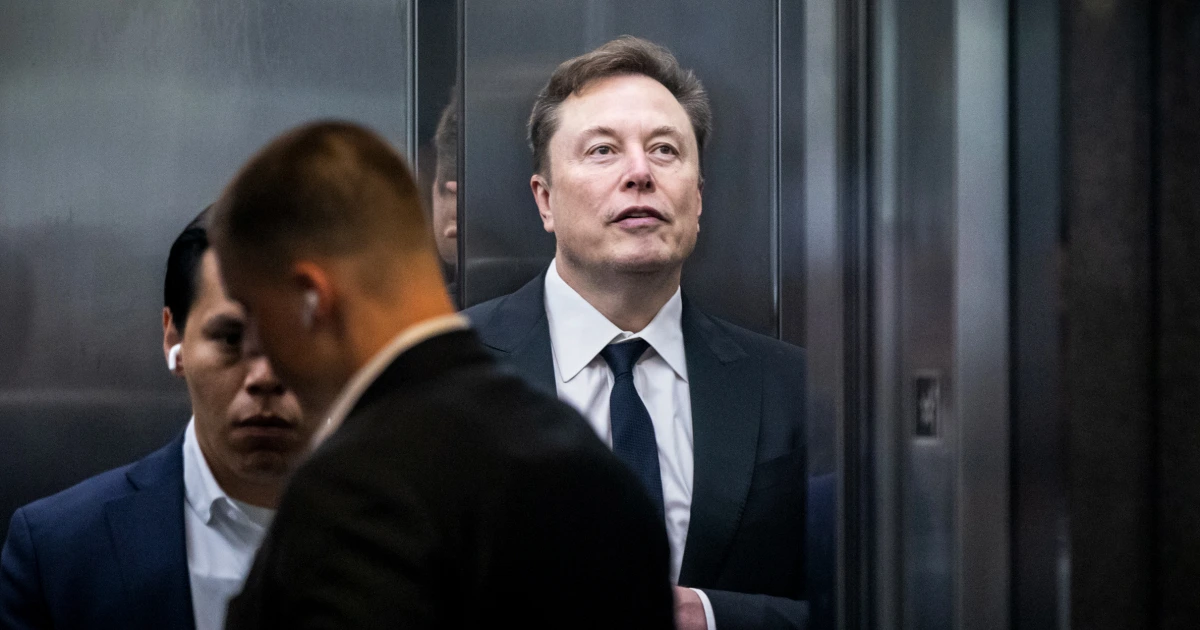
Evidence of the wealth involved was visible throughout the trial, with the courthouse bustling with high-priced legal representation for the various parties involved. Security measures ensured Musk’s safe passage through public hallways, while some defendants utilized luxurious cushions to enhance their comfort on the courtroom’s rigid benches, as previously reported by Wired.
Rich testimony, quite literally, filled the courtroom as witnesses disclosed their impressive net worth. During cross-examination, Musk’s attorney, Stephen Moro, pressed OpenAI President Greg Brockman about the valuation of Musk’s stock, initially pegged at $20 billion. Under further questioning, Brockman conceded it could be closer to $30 billion. Moro claimed this wealth was emblematic of passive income and asserted that Brockman and OpenAI CEO Sam Altman were profiting at the expense of what should be a philanthropic endeavor aimed at benefiting humanity.
OpenAI’s legal representative, Bill Savitt, acknowledged the substantial monetary figures involved, asserting that if OpenAI continues on its current trajectory, its stock’s worth could reach astonishing heights. He emphasized that Brockman’s financial success was a result of hard work and risk-taking, contradicting claims that the executives were mismanaging a charitable trust.
As the trial unfolded, tensions outside the courthouse mirrored the high-stakes environment inside. Protestors gathered daily, wielding props to critique Musk and Altman. One demonstrator, identifying himself only as Keith, expressed discontent with Musk’s trajectory while remaining skeptical of both billionaires involved in the case. This atmospheric tension underscores the dual-sided public perception surrounding such influential figures and their complex roles in the burgeoning AI landscape.
The courtroom drama captures not just the clash of tech titans, but also raises essential questions about wealth, power, and ethical responsibilities within the rapidly evolving technology sector. As deliberations approach, the implications of this case may extend far beyond the individuals involved, into the broader discourse surrounding the future of artificial intelligence and its governance.
