


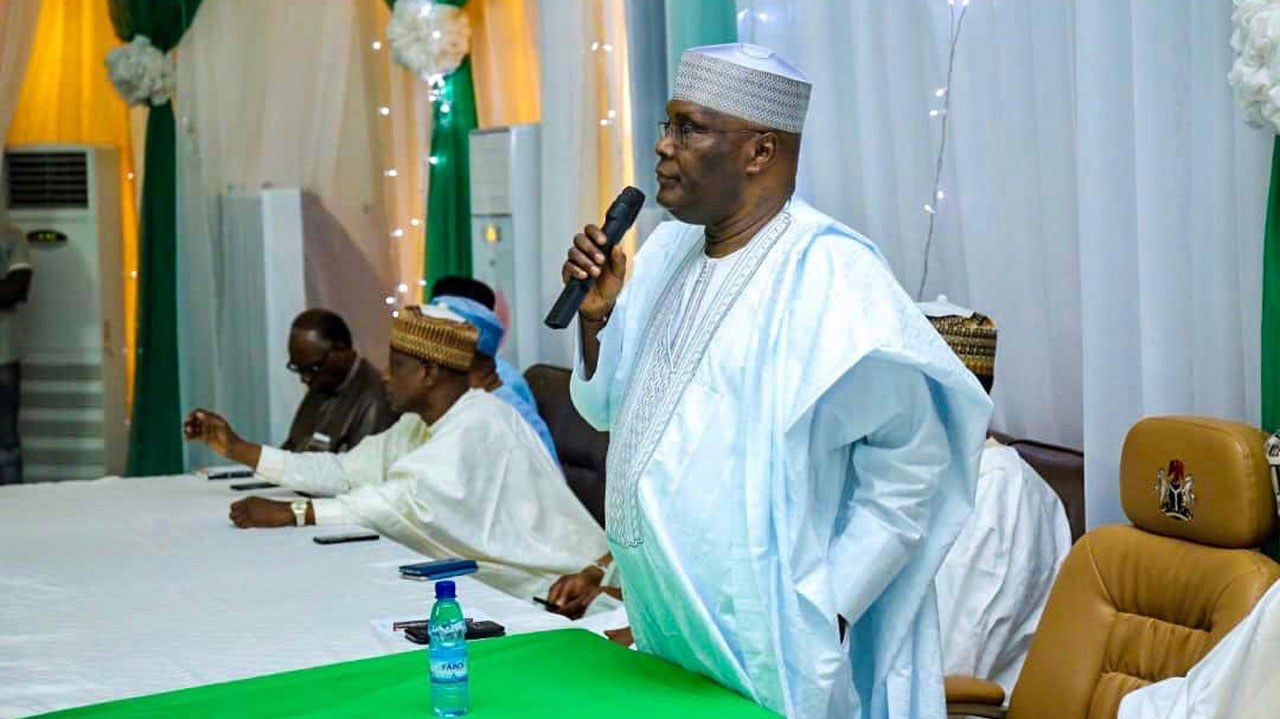
Atiku Abubakar Emerges as Key Figure in 2019 Nigerian Election Cycle
As the 2019 election cycle gets underway, the political landscape is notably reminiscent of the 2015 elections. The All Progressives Congress (APC) and the Peoples Democratic Party (PDP) remain the two dominant parties contending for voter support. In a significant shift, the opposition party has transformed into the ruling party, with incumbent President Muhammadu Buhari poised to face off against Atiku Abubakar, the PDP candidate and former Vice President of Nigeria. Various other political parties are also fielding candidates for the presidential election.
Public Opinion Will Guide Election Outcomes
Recent public sentiment indicates that the success of the 2019 election will largely hinge on the ability of each presidential candidate to effectively communicate their plans to the electorate. Responding to this dynamic, Atiku Abubakar’s camp has kicked off his election campaign with the launch of a detailed policy document. Released following a live social media broadcast, this document outlines Abubakar’s proposed actions should he win the presidency.
PDP Campaign Focuses on Engaging Citizens
A press release from Abubakar’s campaign organization emphasized the objective of directly communicating policies to the Nigerian populace. They believe that rebuilding the nation necessitates a collaborative effort among all citizens, hence their desire for Nigerians to take ownership of these initiatives. The policy document encompasses a broad range of topics, including job creation, infrastructure enhancement, agricultural modernization, and improvements in education and health care.
Job Creation Takes Center Stage
Central to this policy initiative is the acronym JOBS, representing a commitment to job creation that fosters inclusive prosperity, unity, and security. The plan aims to incentivize the private sector by establishing the National Entrepreneurship Development and Job Creation Program. Furthermore, it proposes targeted funding for the entertainment industry, facilitating its growth as a major contributor to the economy and job market, while also revisiting corporate tax structures to lower costs associated with capital market transactions.
Infrastructure Investment Plans Elaborated
Regarding infrastructure, the policy outlines ambitious investment plans in sectors such as road and railway construction, electricity generation, and oil refining. One of the key goals is to reform the electricity sector to generate 20,000 megawatts by 2030 and 50,000 megawatts by 2050. The strategy includes creating a specialized infrastructure agency and establishing an Infrastructure Debt Fund (IDF) with an initial capital of $20 billion to attract private funds for ambitious projects. This plan aims to markedly increase Nigeria’s infrastructure stock from $150 billion to $600 billion over the coming years.
Agricultural Transformation Set as Priority
In agriculture, the policy envisions the creation of efficient transportation routes connecting farms to markets, alongside the modernization of small-scale farming practices. The objective is to transform agriculture into a thriving sector that generates wealth for rural populations. Proposed initiatives include providing concessional loans and tax incentives to foster local agro-processing industries and agricultural exports, highlighting the pivotal role of this sector in the national economy.
Restructuring and Empowerment Initiatives for Youth and Women
A significant aspect of Abubakar’s policy is its focus on restructuring, with plans to establish a National Decentralization Commission within the first 100 days of administration. This initiative aims to devolve greater powers to state and local governments, including relocating the Niger Delta Ministry closer to its stakeholders. Additionally, the campaign pledges to ensure that at least 40% of government appointments are made up of youth and women, while also targeting employment and training initiatives for Nigeria’s large population of uneducated youth.
The comprehensive education plan proposed by the PDP candidate emphasizes developing a national education system that prioritizes inclusivity for girls and students with special needs, alongside fostering technical and vocational skills to meet the demands of an evolving economy. The Atiku policy document, known as the “People’s Policy,” is seen as a robust framework, yet it is anticipated that experts will scrutinize its feasibility and impact, stimulating a much-needed issue-driven discourse as the campaign season progresses.
