


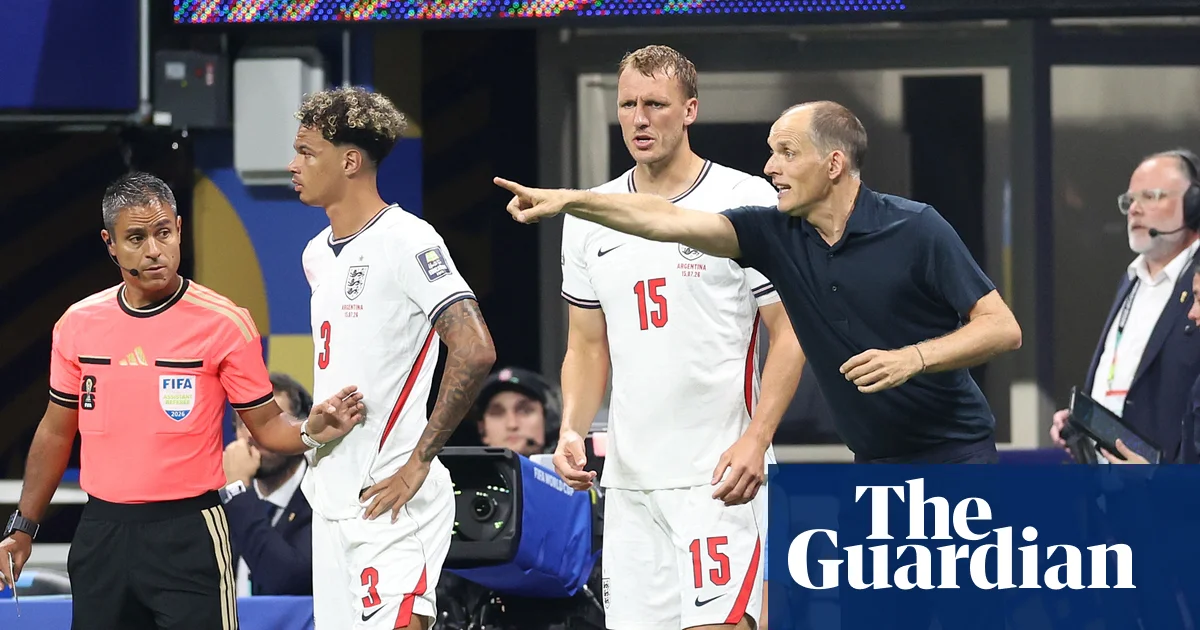
Disappointment Lingers as England’s World Cup Journey Comes to an End
Recently, Atlanta has witnessed the disheartening departure of England from the World Cup, leaving fans grappling with yet another heartbreaking exit. As the country processes the disappointment, it may be tempting to indulge in nostalgia and seek comfort in classic romantic comedies, a sentiment echoed by film icon Meg Ryan: don’t dwell on the end, instead voice the frustration about how it all unraveled.
New York Set to Host World Cup Conclusion
The World Cup will soon transition to New York for the final ceremony, yet for England, a return to tournament play feels far off. The aftermath of this departure calls for time to heal, analyze tactics, and perhaps, direct some blame toward manager Thomas Tuchel.
Manager Under Fire Following Team’s Performance
As the emotional fallout from England’s elimination continues, there’s a tendency to scrutinize Tuchel, whose player selections and game strategy have raised eyebrows. Similar to a recurring theme of unfulfilled expectations in personal relationships, the criticisms directed at Tuchel seem to echo past grievances about decision-making failures in vital moments.
Tactical Missteps Under Examination
Tuchel’s selections have provoked debate, as seen in the past with various managers facing backlash for their choices. The litany of unsuccessful strategies, including peculiar formations and substitutions, highlights a concerning trend in high-stakes matches where the team faltered under pressure. England’s struggles appear to stem not only from individual player performance but also from overarching tactical decisions.
Pressure Mounts as Match Dynamics Shift
Throughout the tournament, England’s performance felt inconsistent, particularly during critical moments. Tuchel’s delayed adjustments during the match were evident as the game shifted in intensity. By the 72nd minute, instead of maintaining momentum, the team retreated into a defensive posture, resulting in a missed opportunity to capitalize on earlier advantages.
Tactical Flaws Become Apparent in High-Stakes Climate
The impending approach of Argentina’s attack surfaced England’s vulnerabilities. With Tuchel’s reliance on a defensive setup that had previously yielded narrow victories against Norway and Mexico, he failed to adapt effectively when faced with a more formidable opponent. The prevailing atmosphere became tense as star players, including Harry Kane, struggled to make impactful contributions.
Broader Implications for England’s Footballing Future
England’s defeat raises critical questions about the future of its football culture. As stakeholders ponder the role of management styles and player development, the need for a strong foundational strategy remains paramount. Despite the arsenal of talent at their disposal, England’s performance reflects deeper systemic issues within its football structures and training philosophies.
Searching for a Sustainable Strategy
With calls for a reevaluation of methods and strategies, the Football Association’s current approach appears inadequate. Committing to long-term development over short-term fixes may yield more sustainable success, yet the prevailing culture leaves much to be desired. The emphasis should shift towards nurturing homegrown talent and fostering a unique style of play, rather than relying solely on external managerial expertise.
