


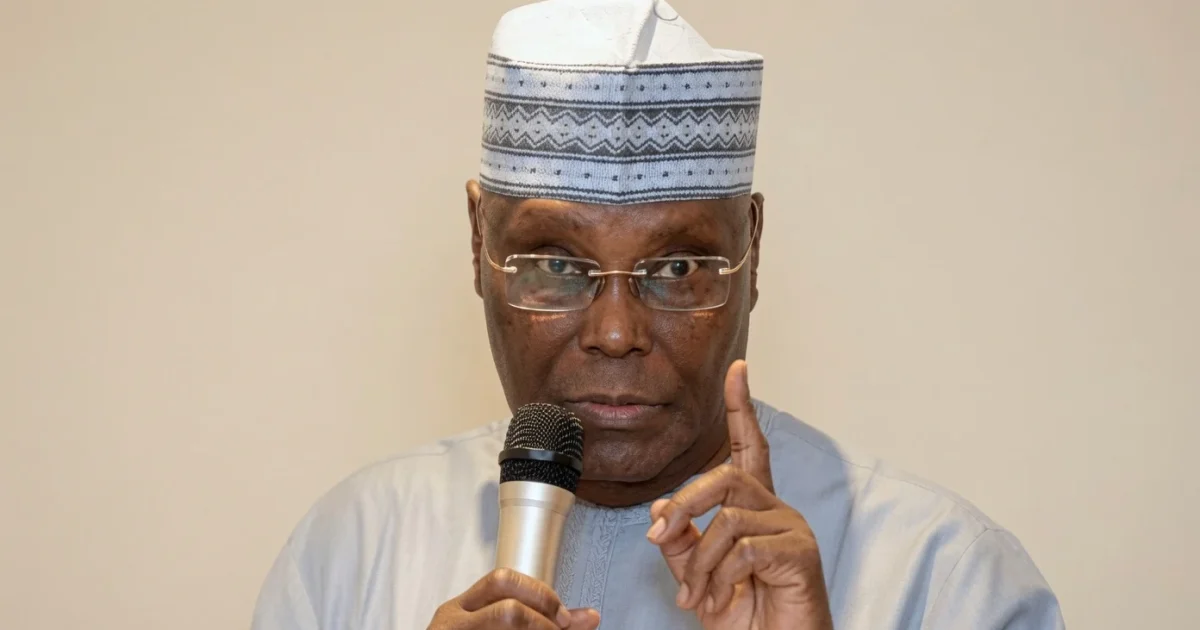
Atiku Abubakar Advocates for Shift to Domestic Production in Nigeria
Atiku Abubakar, the former Vice President and presidential candidate for the African Democratic Congress, has urged the Nigerian government to move away from what he describes as an import-driven economic model. He argues that the country’s economic recovery hinges on boosting domestic production, revitalizing the manufacturing sector, and fostering an export-oriented economy.
Urgent Reforms Needed to Address Economic Challenges
Atiku contends that Nigeria’s escalating economic woes stem from policy decisions that favor consumption over production and imports over industrial development. In a statement released by his Senior Special Assistant on Public Communication, Planke Shaibu, he emphasized that sustainable growth and poverty alleviation can only be achieved by producing locally, manufacturing goods for domestic use, and exporting surplus.
Critique of Current Economic Policies
“Nigeria cannot rent, import, or tax its way to prosperity,” Atiku declared, criticizing the long-standing preference for imports over local production. He pointed to the troubling trend of importing food that could be grown locally and goods that should be manufactured domestically, underscoring the need for a paradigm shift.
Rising Inflation and Manufacturing Constraints
Highlighting the country’s economic difficulties, Atiku cited rising food prices, a decline in industrial output, and a growing reliance on imported raw materials. He noted that food inflation stands at 17.52% nationally, with figures soaring to 53.02% in Kogi State and 43.83% in Niger State, impacting millions of households’ access to essential nutrition.
Investment in Local Industries Essential for Economic Growth
With Nigerian manufacturers reportedly spending approximately N3.53 trillion on raw material imports within just six months, Atiku warned that diminishing manufacturing activities could jeopardize economic growth. He argues that a thriving industrial sector is crucial, stating, “A nation cannot build prosperity if its factories are silent.”
Call for Comprehensive Economic Strategies
Atiku called for strategic investments in agriculture, manufacturing, technology, and value addition, asserting that processing Nigeria’s abundant raw materials would generate jobs, bolster the naira, and mitigate foreign exchange challenges. He emphasized that local production of goods such as cocoa, rice, yams, and medicinal products can serve as catalysts for economic empowerment.
Concerns Over Budget Transparency and Allocation
In addition to his economic recommendations, Atiku criticized the government’s fiscal management in the proposed 2026 federal budget, alleging a lack of transparency and accountability. He claimed that 84% of the budget is concentrated in just ten ministries, with an all-agency vote allocated N12.8 trillion, a staggering increase from N638 billion in the previous budget year. Atiku asserted that the public deserves clarity on how these funds will be utilized, particularly given the critical needs across sectors such as education, defense, and agriculture.
