


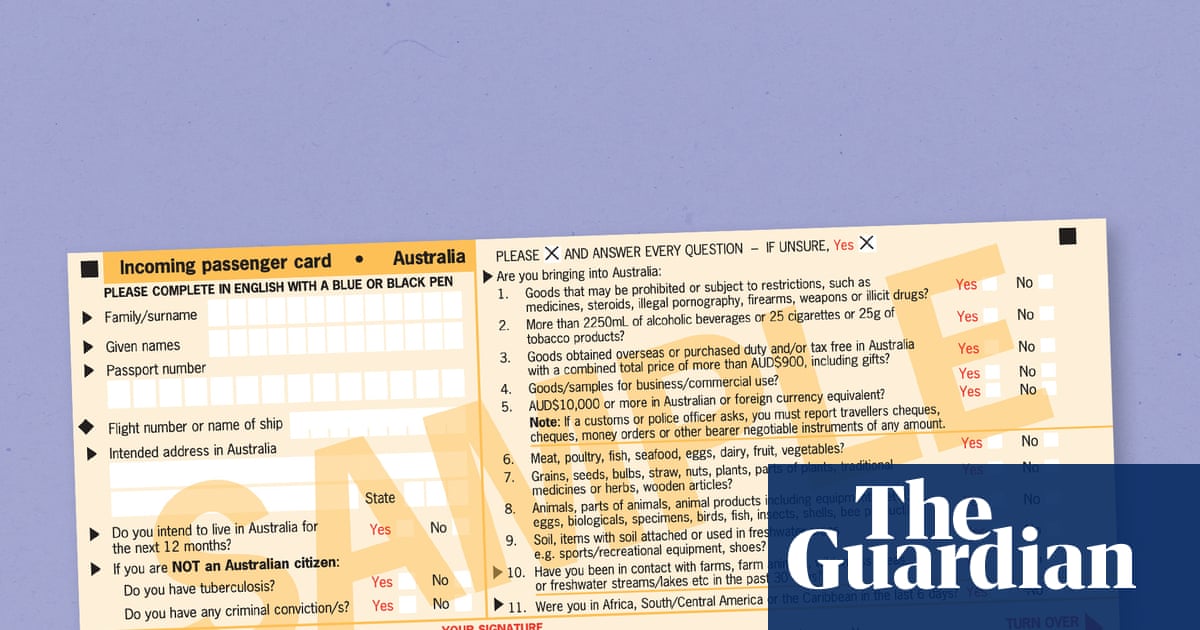
Australia Phases Out Paper Arrival Cards for International Travelers
In a significant shift for international travelers arriving in Australia, the longstanding requirement to complete paper arrival cards is being eliminated. The Albanese Government has announced plans to implement digital passenger cards across all international airports and ports, following successful trials on Qantas flights from Brisbane, Sydney, and Melbourne.
Traditionally, passengers have had to fill out cumbersome paper forms detailing personal information and declaring the transport of food, plants, and animal products. This requirement has been a considerable nuisance, especially for those weary from long-haul flights.
As part of its modernization initiative, the government will allocate $56.1 million over the next four years to enhance the airport system and introduce the Digital Australian Travel Declaration. Building on the Qantas pilot program, the rollout will expand to other major cities such as Perth and Adelaide by the end of 2026.
Following this initial phase, the digital declaration system will be gradually implemented at all airlines and ports within the next 12 to 18 months. Trade and Tourism Minister Don Farrell emphasized that these streamlined immigration processes will allow visitors to spend less time on paperwork and more time enjoying the diverse experiences Australia has to offer.
Home Secretary Tony Burke echoed these sentiments, noting that the modernization of border processes is essential for both national prosperity and security. He stated that this initiative would facilitate seamless entry for international visitors as well as Australian travelers.
Many international airports, including those in Japan, Singapore, and New Zealand, have already adopted digital systems for arriving passengers, positioning Australia to follow suit and enhance its global standing.
The Albanese Government has indicated that the initial phase of the Digital Australian Travel Declaration will be available via a web form, with future plans to integrate the functionality into airline apps. The successful Qantas trial allowed users to complete their forms digitally before travel, a model expected to simplify the process for incoming passengers.
This modernization effort is anticipated to yield benefits such as reduced manual processing, improved data quality for risk assessments, and enhanced responsiveness during global risks, including biosecurity threats. Agriculture Minister Julie Collins reassured the public that biosecurity standards would remain uncompromised during this transition, stating, “Modernizing our borders is a critical part of maintaining their protection.”
According to a recent report by the Australian Chamber of Commerce, the existing paper-based system is deemed outdated and poses a risk to Australia’s reputation as a leading tourist destination. The report advocates for the elimination of paper cards, asserting that advancements in the arrival and departure system could potentially inject an additional $50 billion into the Australian economy each year.
