


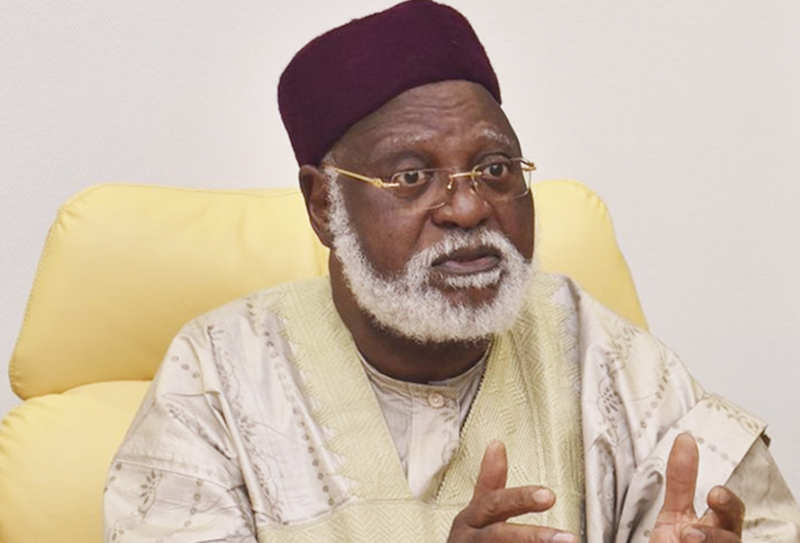
Abdulsalami Reflects on Pivotal Moments in Nigerian History
General Abdulsalami Abubakar, former military head of state, recently discussed key moments from Nigeria’s history, notably the 1993 election annulment. He clarified that he, like many Nigerians, learned of the annulment via media reports and stated that General Ibrahim Babangida, the military president at that time, did not consult him about the decision, despite his high-ranking position in the military.
Mystery Surrounding Abacha’s Death
Abdulsalami shared unsettling details surrounding General Sani Abacha’s death on June 8, 1998. He and Army Chief of Staff Ishaya Bamaiyi found themselves inexplicably locked in a waiting room at the presidential palace for nearly an hour before being notified of Abacha’s passing. This experience heightened a growing sense that “something was amiss” at that critical juncture in Nigeria’s history.
Tributes from Dignitaries at Book Launch
During the recent book launch in Abuja, prominent figures including President Bola Tinubu, Sierra Leone’s President Julius Maada Bio, General Yakubu Gowon, former Presidents Olusegun Obasanjo and Goodluck Jonathan, and former South African President Thabo Mbeki praised Abdulsalami’s contributions to revitalizing Nigeria’s democratic governance. They commended his role as a respected elder statesman dedicated to promoting peace and stability in the region.
Insights from Abdulsalami’s Autobiography
In his autobiography, ‘Call of Duty’, which was unveiled at the event, Abdulsalami addressed misconceptions regarding his knowledge of military decisions during his tenure. He emphasized his involvement at the Army Headquarters as the Chief of Policy Planning, noting that he was not part of the Armed Forces Governance Council. Further, he refuted claims that Chief MKO Abiola was poisoned, asserting that an autopsy conducted by experts from four nations concluded that Abiola’s death stemmed from natural causes.
Significance of the Abdulsalami Abubakar African Resource Center
President Tinubu announced plans to allocate land for the Abdulsalami Abubakar African Resource Center (AAARC) in Abuja, underlining the initiative’s alignment with Abdulsalami’s lifelong dedication to public service and nation-building. The president described Abdulsalami’s leadership during a pivotal transition in Nigeria’s history as emblematic of selfless service over personal ambition.
Reflections on Leadership and Stability
Both Tinubu and former leaders acknowledged Abdulsalami’s invaluable contribution to Nigeria’s Fourth Republic, emphasizing that his leadership facilitated a peaceful transition that has endured for decades. Their comments highlighted the importance of stability and democratic foundations established during Abdulsalami’s administration, which many credit for Nigeria’s current democratic standing and governance.
Celebrating Historical Contributions and Future Lessons
Former President Jonathan highlighted Abdulsalami’s steadfastness against attempts to prolong his rule, attributing significant credit to him for stabilizing Nigeria’s democracy. He emphasized the importance of documenting these historical accounts, as captured in Abdulsalami’s newly released books, to inspire future generations. Other dignitaries, such as Obasanjo and Gowon, echoed these sentiments, citing Abdulsalami’s leadership legacy as vital for emerging African leaders to emulate.
Community Support at the Book Presentation
The book launch not only commemorated Abdulsalami’s life of service but also raised substantial funds for various initiatives. Leading contributions included 500 million naira from Aliko Dangote and significant amounts from other notable figures and organizations, signifying a collective commitment to supporting the values championed by Abubakar throughout his career.
