


British Forces Disrupt Russian Oil Smuggling Operations
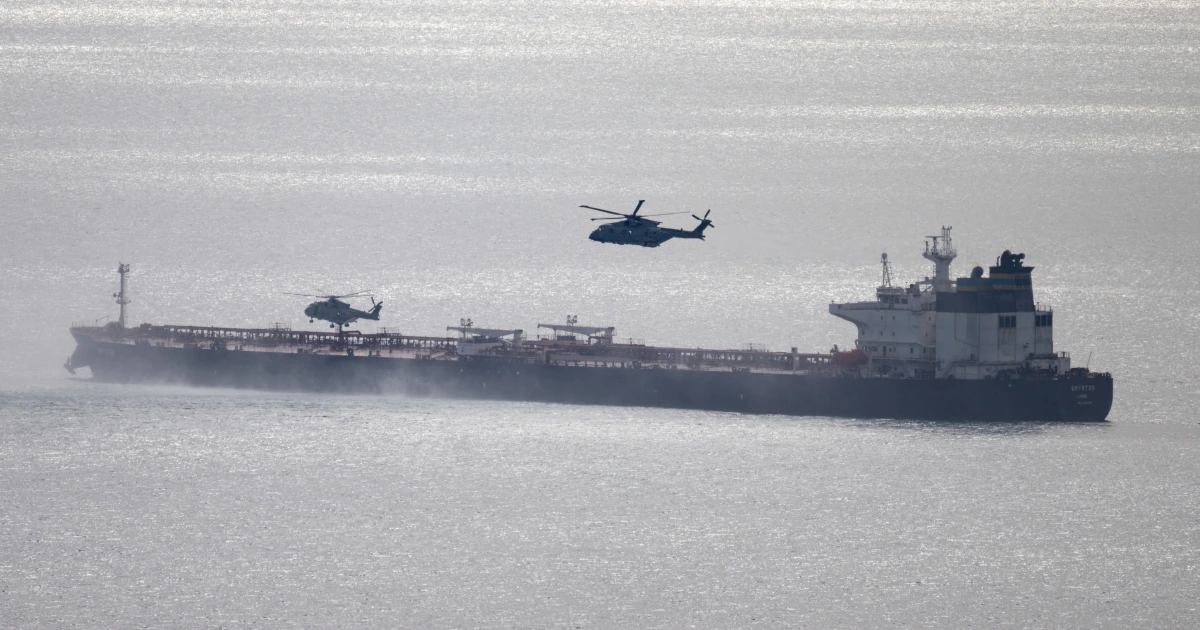
LONDON — In a significant move to undermine Russia’s network for evading sanctions, the British Ministry of Defense announced the seizure of an oil tanker linked to Russia’s so-called “shadow fleet.” This operation, conducted over the weekend, aims to curtail the flow of resources that financially bolster the Kremlin amid its ongoing invasion of Ukraine.
Russia’s Shadow Fleet and its Impact
Russia’s clandestine fleet is estimated to comprise more than 700 ships, transporting approximately 75% of the country’s sanctioned oil exports. This fleet serves as a vital financial resource for the Russian government, enabling the funding of military equipment, including missiles and drones, utilized in Ukraine.
British Leadership Responds
Prime Minister Keir Starmer emphasized the importance of this operation, asserting it strikes a decisive blow against Russia. He stated that it serves as a reminder that Russian forces cannot evade accountability for their actions in Ukraine.
Details of the Seizure Operation
The operation involved collaboration between Royal Marines Special Forces and Britain’s National Crime Agency, who boarded the ship Smirtos in the English Channel, a strategic body of water separating Britain from France. Following the seizure, the vessel will remain detained and monitored off the southern coast of England while investigations continue.
Collaboration with French Authorities
The six-hour operation was carried out in close coordination with French authorities. British Defense Secretary Dan Jarvis stated that intercepting Russian oil supplies is crucial for disrupting the financing of the conflict in Ukraine, further weakening Putin’s military campaign.
Ukrainian Support for British Actions
Ukrainian President Volodymyr Zelenskiy expressed gratitude for the UK’s decisive action against Russia’s oil fleet. He highlighted that cutting off financial resources to Russia is critical for containing the ongoing conflict, as high oil and gas revenues have fueled the war.
Growing International Efforts Against Russian Sanctions Evasion
The Smirtos, flagged under Cameroon, is currently anchored near Weymouth, England. Both Britain and France have committed to intercepting vessels affiliated with Russia’s shadow fleet that are found in their waters, aiming to prevent the trafficking of sanctioned oil and other goods that contribute to financing the war. Since launching these efforts, Britain has sanctioned around 600 vessels associated with this network, with Russia’s oil revenues reportedly declining by 27% from their peak levels in October 2024, reaching the lowest point since the start of the conflict.
Increased Enforcement and Political Context
Recent months have seen heightened enforcement against Russian vessels in key waterways. Notably, in late May, French naval forces intervened to prevent the oil tanker Tagore from operating under sanctions. Additionally, in January, France seized another tanker, the Grinch, based on intelligence from the UK, suspecting it was operating under a false flag.
Debate on Defense Spending
In light of the ongoing threats from Russia, British Defense Secretary John Healy resigned, criticizing the government for insufficient military funding amid escalating threats. While Starmer has pledged to increase defense spending to 2.5% of GDP by 2027 and 3% by 2035, many military officials believe current expenditures do not sufficiently address the growing risks posed by geopolitical tensions.
In his resignation letter, Healy underscored the government’s failure to allocate necessary resources to ensure national security in a time of heightened threat levels.
