


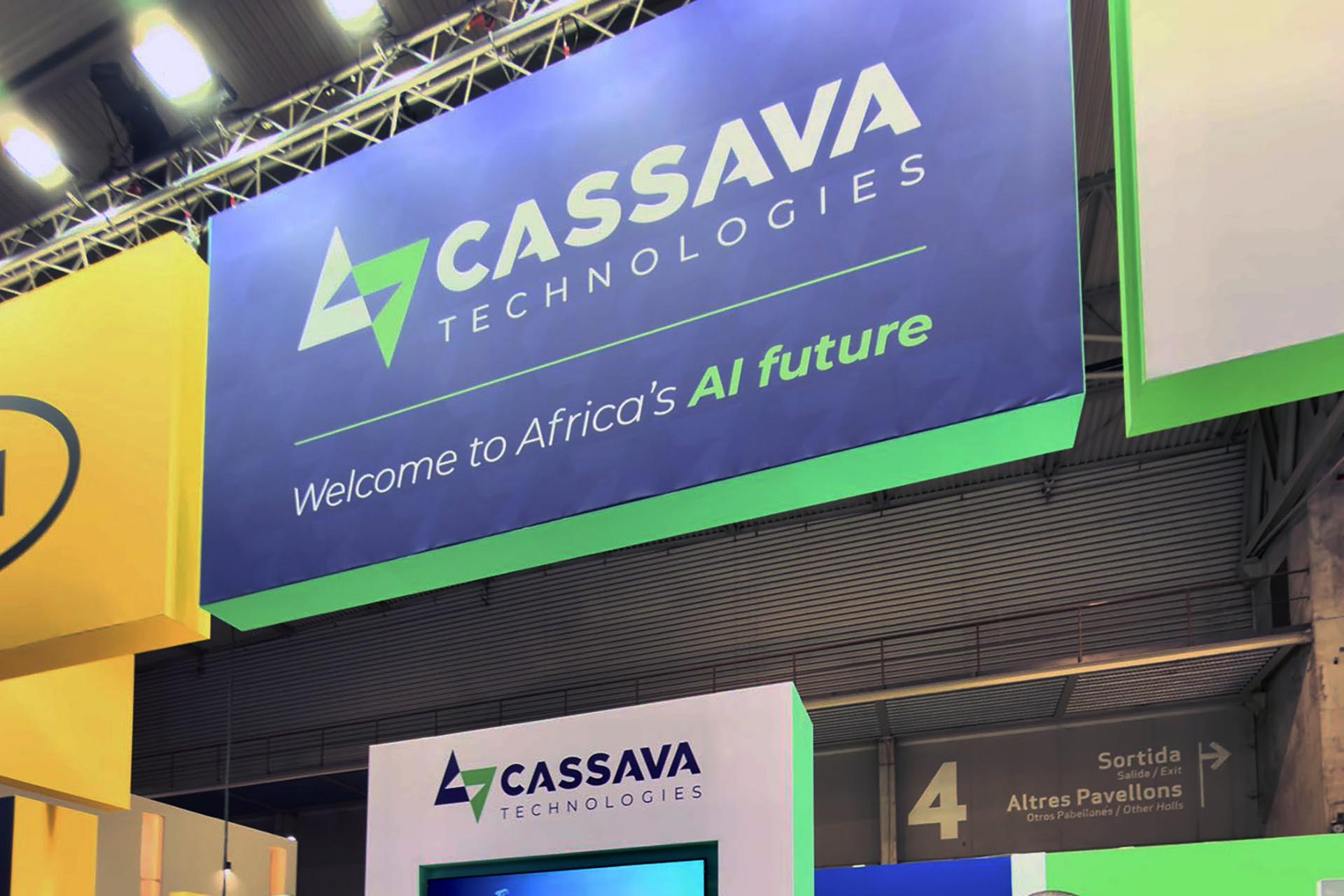
Cassava Technologies Expands Focus on AI Infrastructure Across Africa
Pan-African technology group Cassava Technologies is intensifying its commitment to artificial intelligence (AI) infrastructure. The company plans to establish “AI factories” in strategic African markets, with a particular emphasis on Egypt, which it anticipates will emerge as a central hub for investment and talent. Cassava is gearing up to launch its inaugural AI factory in South Africa, setting the stage for potential future expansions into Egypt’s data center landscape through greenfield development, acquisitions, or both.
Insights from Liquid C2 MENA Executive Sherif Shaltout
To gain deeper insights, we spoke with Sherif Shaltout, the executive manager of Liquid C2 MENA, a subsidiary of Cassava Technologies. Our discussion covered the group’s organizational structure, investment strategies, energy challenges, regulatory concerns, and its response to the surging demand for AI infrastructure across the continent.
Cassava Technologies’ Infrastructure Framework
Cassava Technologies operates as a comprehensive pan-African technology group headquartered in London, with a presence in around 17 to 18 countries. Its connectivity division, Liquid Intelligent Technologies, boasts Africa’s largest private fiber network, which stretches over 110,000 kilometers and serves as the backbone of the organization. This is complemented by Liquid C2, focusing on cloud and cybersecurity—facilitating the company’s entry into the Middle East and North Africa (MENA) region. Additionally, African Data Centers manages seven facilities across South Africa, Nigeria, Kenya, and Rwanda, with plans underway for expansion into Egypt, alongside the Sasai Fintech division that specializes in digital payments. The newly launched Cassava AI is dedicated to AI infrastructure and software solutions leveraging the capabilities of Nvidia.
Understanding the Concept of AI Factory
The term “AI Factory” refers to a specialized data center environment harnessing the power of graphics processing units (GPUs). Cassava plans to introduce its first AI factory in Cape Town by April, featuring over 2,000 Nvidia GPUs. This factory processes raw data into actionable intelligence, enabling clients to build models and derive value. It operates within an integration framework, enhancing connectivity, data center, cloud, and cybersecurity services.
Data Center Development Strategy
Cassava Technologies is committed to building and owning its data centers. These facilities are either constructed from scratch or acquired and modernized. The company functions similarly to a real estate developer, setting specifications and collaborating with contractors for execution. While open to acquisitions and third-party infrastructure management, all current assets are developed entirely in-house.
Energy Management and Future Investment Goals
In the realm of energy management, data centers’ performance is fundamentally linked to their power capacity. Cassava meticulously designs its energy requirements, collaborating with partners to install necessary infrastructure, with a firm goal of operating all data centers on 100% renewable energy by 2030. The organization’s expansion and investment priorities are concentrated on GPU infrastructure across five key markets: South Africa, Nigeria, Kenya, Morocco, and Egypt, with South Africa being the immediate focus. The first AI factory will launch there in April, while enhancing existing capabilities in Kenya.
Strategic Importance of Egypt
Egypt holds a significant position in Cassava’s broader strategy. The company is evaluating the development of new data centers, existing facility acquisitions, or a combination of both, with detailed plans expected by 2026. Cassava views Egypt as its second pivotal growth market after South Africa. Overall, the group anticipates AI-related investments to surpass USD 700 million across the continent through its collaboration with Nvidia. Egypt is also crucial as it stands out as Africa’s second-largest economy and is poised to contribute significantly to revenue growth in the coming years, further establishing itself as a regional center for cybersecurity, cloud, and AI expertise.
Addressing Data Sovereignty and Expansion Challenges
In addressing data sovereignty requirements, Cassava emphasizes the concept of digital sovereignty, focusing on not just data location but also the control of infrastructure. The company tackles this challenge by constructing physical data centers in major markets and deploying mini-clouds in smaller regions, utilizing platforms like Azure Local and Google Distributed Cloud for secure, independent national solutions. However, the company faces three primary obstacles in its expansion: energy supply, financing, and regulatory limitations. GPUs require substantially more power compared to traditional workloads, and establishing advanced data centers demands significant upfront capital, often hindered by regulatory constraints, especially regarding GPU access and export controls.
