


Understanding Eid al-Adha: The Festival of Sacrifice
Muslims worldwide celebrate Eid al-Adha, also known as the Festival of Sacrifice, which is one of the two major Islamic holidays recognized annually. This significant event takes place shortly after Eid al-Fitr, marking a time of reflection and devotion.
Eid al-Adha begins on the 10th day of Dhu al-Hijjah, the final month of the Islamic lunar calendar. It is closely tied to the Hajj pilgrimage, undertaken annually by millions in Mecca, Saudi Arabia, reflecting the faith and unity of the Muslim community.
The celebration lasts from three to four days, and due to the lunar calendar, the dates occur earlier each year. As such, the timing of Eid al-Adha varies, providing a unique experience to the observants annually.
Celebratory Practices of Eid al-Adha
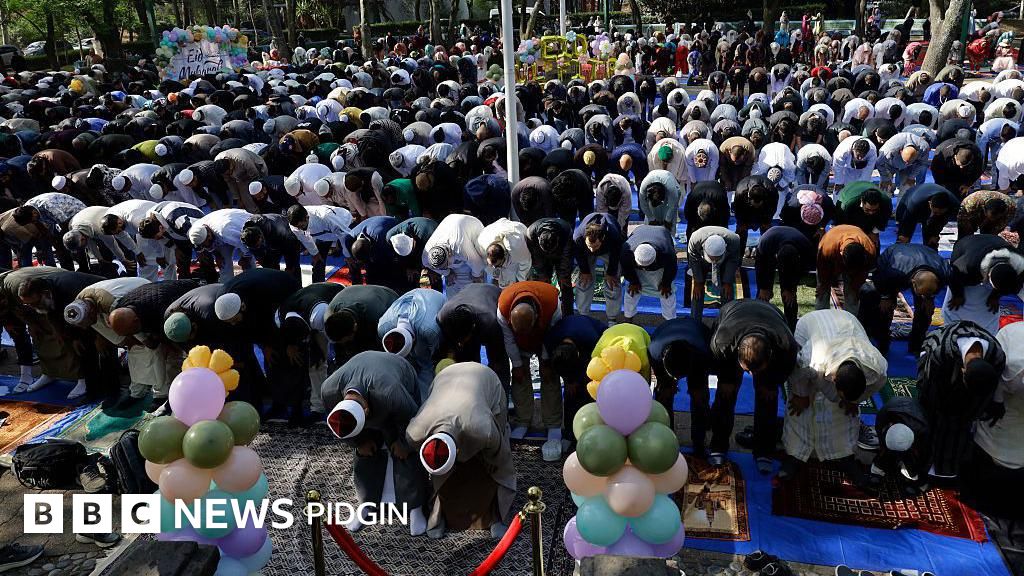
On the morning of Eid, Muslims gather for special prayers at their local mosques, donning their finest clothing to express gratitude for blessings received. Greeting one another with “Eid Mubarak,” meaning “Blessed Eid,” is a common practice among attendees.
Children often partake in the festivities by receiving gifts and spending quality time with family and friends. Traditionally, many Muslims engage in the rite of Qurbani by sacrificing animals such as goats or sheep, commemorating Prophet Ibrahim’s willingness to sacrifice his son under divine instruction. This practice emphasizes themes of unity, generosity, and compassion.
Political Leaders Extend Eid Greetings
In a recent engagement, President Bola Tinubu, alongside Senate President Godswill Akpabio, extended warm wishes to the Muslim community for Eid al-Adha. They highlighted the importance of unity, compassion, and sacrifice as foundational values during this significant observance.
President Tinubu emphasized ongoing governmental reforms aimed at fostering a stronger Nigeria, encouraging citizens to engage in both self-reflection and prayer during this festive time. He expressed optimism regarding the nation’s economic recovery, positioning Nigeria as a viable destination for investment.
Accompanied by Senate President Akpabio, the leaders called for a renewed sense of national unity and resilience, particularly in light of the ongoing challenges faced by the nation. They urged Nigerians to embody the spirit of dedication and selflessness exemplified by Prophet Ibrahim during this holy occasion, stressing the need for reflective prayer for the safety and stability of the country.
Former Vice President Atiku Abubakar reiterated the need for leaders to prioritize their responsibilities towards the citizens, emphasizing that Eid al-Adha serves as a crucial reminder of faith and divine authority.
