


Technology and Collaboration Driving Nigeria’s Recycling Sector Forward
Nigeria’s recycling sector is undergoing significant transformation, fueling growth through the integration of technology and collaboration among both formal and informal actors within the value chain. The emphasis on a unified approach was underscored during the 3rd Annual Conference of the Recyclers Association of Nigeria (RAN), held recently.
Challenges and Opportunities in Recycling Industry
As Africa’s most populous nation, Nigeria’s recycling industry is expanding thanks to increased circular economy initiatives, corporate sustainability efforts, and innovative waste-to-wealth startups. Although this momentum has led to substantial profitability, much of the recycling relies on informal collection methods, which create significant gaps within the sector.
Emerging Technologies and Industry Perspectives
During a panel titled “Harnessing Emerging Technologies in Recycling: Unlocking Opportunities, Overcoming Challenges, and Charting a Path to a Sustainable Future,” Boluwatife Ayepula, CEO of Resourceect, characterized Nigeria’s recycling landscape as “emerging.” She emphasized that technology should not merely enhance efficiency but should instead shape public engagement with recycling. Accessible, updated systems can streamline the recycling process for Nigerians, making it a more viable option.
The Role of Informal Collectors
Ayepula stressed that the majority of recycling—especially for materials like aluminum—occurs outside of the formal sector, relying heavily on informal waste collectors. “Any recycling strategy that overlooks the informal sector is destined to fail. Therefore, we need integration, not substitution,” she asserted.
Market Growth Potential and Employment Impact
The market for waste recycling in Nigeria is currently valued at approximately $40 billion, with projections suggesting it could double to around $100 billion in the coming years. Despite generating over 65 million tonnes of waste annually, Nigeria’s recycling rate stands at a mere 2%, pointing to a vast opportunity for growth.
Collaboration as a cornerstone for Development
RAN Chairman Harold Okunobo shared that the association consists of over 250 registered recycling businesses, providing more than 25,000 jobs nationwide. He noted that the statistics tell a compelling story: recycling serves not only as an environmental responsibility but also as an economic catalyst for many Nigerians. “It provides dignity and livelihoods, while offering a pathway to sustainable development,” he remarked.
Government and Private Sector Partnerships Essential
Recycling stakeholders have highlighted the critical need for collaboration among various parties, including governments, private enterprises, and non-governmental organizations. Chukwuma Ndigwe, head of recycling at GZ Industries, revealed that his company is exploring systems to better integrate informal collectors into the recycling process. “Enhancing the system can unlock a high-value recycling market,” he noted.
The Vision for a Circular Economy
In her keynote speech, Omotenioye Majekodunmi, Executive Director of the National Climate Change Council, explained that a circular economy goes beyond mere environmental cleanup; it’s about recognizing waste as preserved economic value. She articulated that the transition towards a circular economy must focus on reducing emissions, creating employment opportunities, and attracting investment. This aligns closely with RAN’s mission and highlights the significance of recycling in achieving broader climate and economic goals.
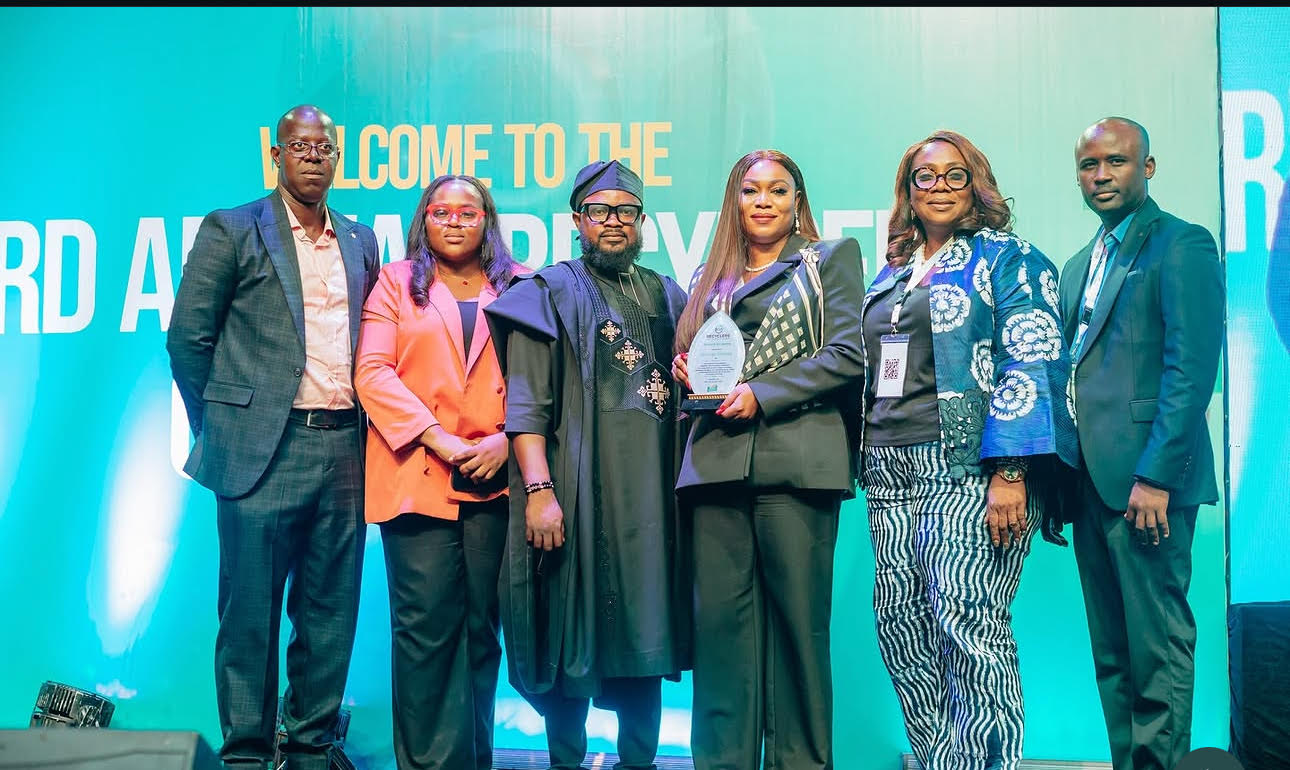
The conference culminated in an awards ceremony celebrating members who showcased outstanding achievements in the recycling arena. This event not only underscored the commitment to sustainability but also reinforced the collaborative spirit necessary to overcome existing industry challenges.
