


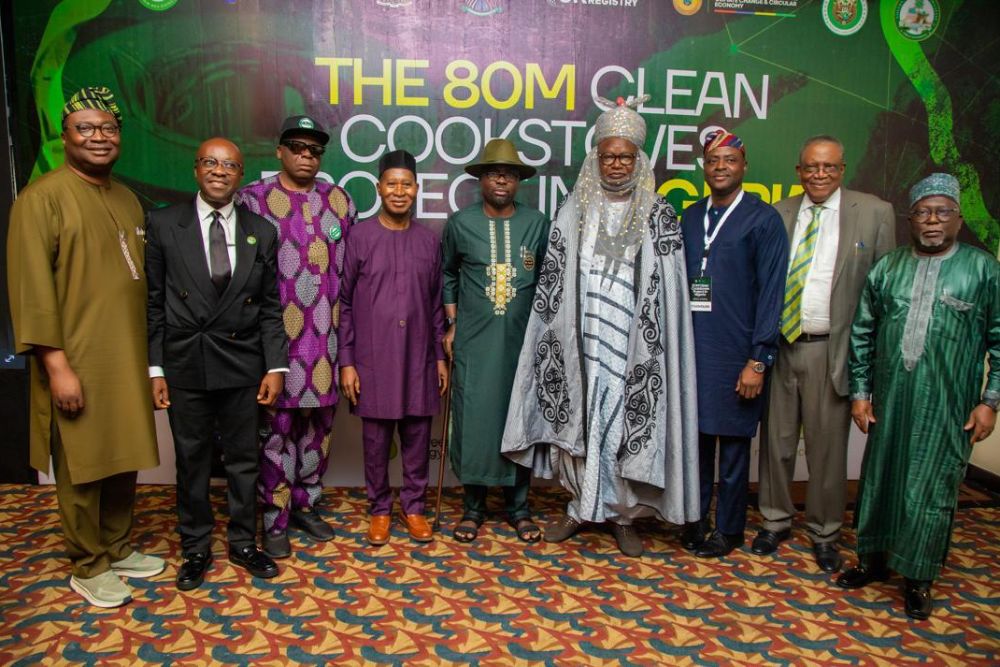
Nigeria’s Initiative for Clean Cooking Gains Momentum
Chief Nasarawa is spearheading an ambitious initiative to introduce 80 million clean cooking stoves across Nigeria. This project aims to promote sustainable cooking methods that can significantly improve public health and environmental conditions.
As the designated royal flag bearer for this project, along with a broader initiative to plant and cultivate 4 billion trees in Nigeria, the Emir has expressed concerns about opportunistic individuals who may seek to divert the program for personal gain. Speaking at a recent two-day Strategic Project Implementation Management Retreat and Stakeholder Engagement for the Clean Cookstove Initiative in Lagos, he cautioned, “Project proponents must be wary of opportunists who may seek personal gain at the expense of program objectives.”
The event, themed “Access to Clean Cooking in Africa: Igniting Socio-Economic Change with Nigeria’s 80 Million Clean Cookstoves,” marked a significant step forward in advocating for cleaner cooking technologies. The former environment minister emphasized that the initiative is designed to alleviate numerous health issues triggered by smoke exposure, particularly among women, who are disproportionately affected by traditional cooking methods.
“Every year, people die from illnesses related to poor cooking practices,” the Emir noted. He added that this initiative not only aims to capture carbon credits but also to significantly improve the quality of life for rural communities lacking access to essential health facilities. “Getting them out of this trap is a vital milestone that deserves widespread support,” he remarked.
Babatunde Aina, Deputy General Manager of Green Prince, stressed the project’s importance in establishing a safer cooking environment. “This initiative demonstrates that Nigeria can lead globally in models that are socially inclusive, digitally verifiable, environmentally transformative, and financially sustainable,” he explained. He further pointed out that this project aims to reshape cooking methods and lifestyle choices for millions of Nigerian families while aligning with a growing climate change economy.
Dr. Olawale Akinwumi, President and Group Chief Executive Officer of Green Prince Africa, praised the Emir’s commitment to nation-building as the progress on the tree-planting initiative gains momentum. Akinwumi highlighted the importance of traditional rulers in the project’s success, noting their profound influence within their communities. “Royal fathers are key to this project; they own the community,” he stated.
Meanwhile, Mr. Titilayo Oshodi, Special Adviser to the Lagos State Governor on Climate Change and Circular Economy, emphasized the need for Nigeria to take initiative as well. “Lagos is presenting investment-friendly climate opportunities to global stakeholders, and the 80 Million Green Food Stoves Initiative has captured significant international interest,” he said. This project exemplifies actionable solutions that can deliver measurable benefits such as improved public health and economic opportunities.
ECOWAS Court Rules on Journalist Rights Violations
The ECOWAS Community Court of Justice determined that the Federal Republic of Nigeria violated the rights of journalist Jade Oyekunle during the nationwide #EndBadGovernance protests in Abuja. In a landmark decision, the court ordered the government to pay N10 million in compensation.
In the ruling of Case No. ECW/CCJ/APP/29/25 dated June 22, 2026, the court found that Oyekunle’s rights to freedom of expression, personal freedom, human dignity, protection from torture, and property ownership were infringed upon while documenting the protests on August 1, 2024. His legal pursuits revealed a pattern of assault, unlawful detention, and seizure of his journalistic equipment by the police.
The court detailed that security forces deployed tear gas at the protest site, unlawfully confiscated Oyekunle’s mobile devices for eight hours, and damaged his equipment. Allegations of unauthorized surveillance of his communications following the arrest were also presented. His plea sought a declaration of various rights violations and an amount totaling 505 million Naira in damages.
The Nigerian government denied any wrongdoing, arguing the violent nature of protests necessitated heightened security measures. However, a three-member panel refuted this claim, affirming that Oyekunle was engaged in legitimate reporting on a matter of public interest and that no legal justification was provided for the interference with his journalistic work.
This ruling marks a significant moment for press freedom in Nigeria and underscores the importance of ensuring that journalists can operate without the threat of intimidation or violence. It reinforces the obligation of states under international human rights standards to protect the rights of journalists and uphold their critical role in society.
