


Haitians Face Immigration Concerns Ahead of Historic World Cup
Haiti is set to make its World Cup debut since 1974, yet for some members of the Haitian diaspora, the excitement is clouded by fear. Emile, a Haitian residing in Ohio, is apprehensive about attending the matches because of the stringent immigration policies implemented by the Trump administration.
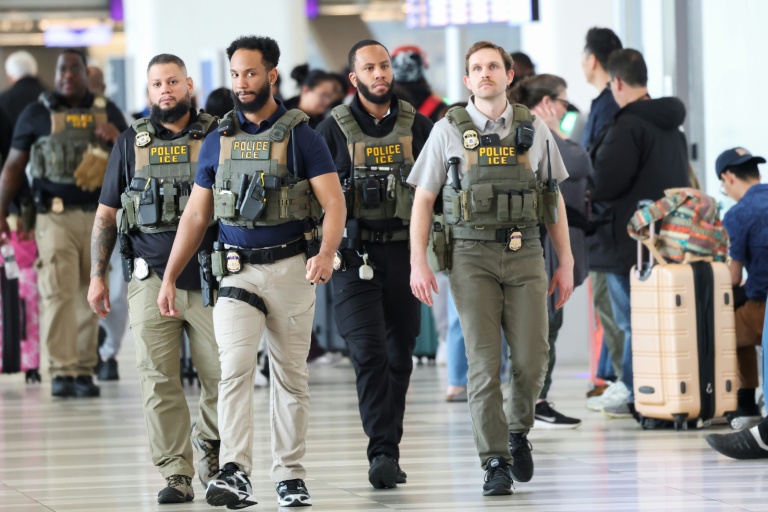
“Experiencing your national anthem in front of the global audience is a moment of a lifetime,” said Emile, a truck driver in his 40s, who wished to remain anonymous. However, like many immigrants, he is deeply concerned about the presence of U.S. Immigration and Customs Enforcement (ICE) agents, charged with enforcing immigration laws.
Emile’s lawyer advised against flying to the event to avoid being detained upon arrival at the airport. His worries reflect a broader sentiment within the immigrant community, which has witnessed aggressive ICE operations across various U.S. cities, often leaving individuals and families in fear.
The anxiety surrounding ICE’s activities reached a peak following an incident in Minneapolis where ICE agents fatally shot two American protesters. Monica Sarmiento from the Virginia Immigrant Rights Coalition noted an increasing awareness and unease among individuals who feel unsafe due to ICE’s tactics, which disproportionately target not only undocumented individuals but also those entitled to protection.
According to Sarmiento, around 70% of those apprehended and deported have no criminal records, many of whom have been living in the U.S. for decades and have contributed to the economy by paying taxes. She attributes the pervasive climate of fear not just to the upcoming World Cup, but to the daily realities faced by immigrants across the country.
The 2026 World Cup, co-hosted by the U.S., Canada, and Mexico, will feature 78 out of 104 matches on American soil from June 11 to July 19. Concerns about ICE’s activities have particularly resonated within the Hispanic community, which constitutes about 20% of the U.S. population and has a significant presence in states like California, Texas, and Florida, as well as in major urban areas such as Miami and New York.
As the Haitian population in cities like Miami and New York is projected to reach approximately 850,000 by 2024, the threat to their status becomes more urgent. The Trump administration has initiated steps to revoke Temporary Protected Status, which currently safeguards individuals like Emile from deportation to a nation grappling with severe socio-economic issues.
Rights Organizations Raise Alarms
Human Rights Watch heightened concerns regarding possible ICE activities during large events, citing a recent case where an asylum seeker was arrested and deported after attending a major soccer match in New Jersey with his children. This has sparked fears that ICE might increase their focus on foreign tourists near stadiums and fan zones.
Over 120 civil rights organizations, including the American Civil Liberties Union, issued a travel advisory warning potential attendees—including fans, athletes, and journalists—about the risks of entering the U.S., which may include deportation, racial profiling, and even cruel treatment while in custody. According to the advisory, visitors may face serious violations of their rights, underscoring the precarious nature of the current immigration climate.
ICE, a part of the Department of Homeland Security (DHS), has a history of providing security at prominent sporting events like the Super Bowl. However, a DHS spokesperson emphasized to AFP that individuals traveling legally for the World Cup should not have cause for concern, asserting that immigration enforcement focuses solely on individuals unlawfully residing in the U.S.
In response to inquiries regarding human rights protections, FIFA reassured that it is committed to upholding internationally recognized human rights standards and promoting the safeguarding of these rights during the World Cup.
