


Gang Violence Forces Family to Flee Honduras
In 2021, Carlos and Antonia fled their home in Honduras, driven by the escalating threat of gang violence. Accompanied by their toddler, Alejandro, they embarked on a treacherous journey north, seeking safety in the United States.
Perilous Journey Through Central America
The couple’s trek through Guatemala and Mexico was fraught with danger and uncertainty. Antonia recounted the fear that gripped them as they crossed borders with their young child, stating, “Every time we had to travel across the border, we were always in fear.” The anxiety was palpable.
Missed Opportunities for Asylum
Upon reaching the United States, Carlos and Antonia encountered the harsh realities of President Donald Trump’s immigration policies. Unfortunately, their chances for applying for asylum evaporated, as Carlos’s attorney warned that any appeal could lead to detention at an immigration hearing and a heightened risk of deportation.
Choices at the Border
With family in Canada, Carlos decided to continue north. However, their struggles did not end at the Fort Erie border crossing. Canadian officials informed Carlos that while he and Alejandro could enter Canada, Antonia would have to return to the United States due to her lack of family connections there. The couple faced a harrowing dilemma: return to the U.S. together and risk detention or separate and send Antonia back alone.
Emotional Turmoil at the Border
The emotional weight of the decision bore heavily on the family. Carlos recalled the distressing moment when he asked a border patrol officer how to explain to his son why his mother could not join them. In response, the officer coldly noted that they had only 20 minutes to decide. As Antonia began to weep, she expressed her devastation at the thought of being taken away from her son—a moment of shock that left them all in tears.
Legal Challenge Against Immigration Practices
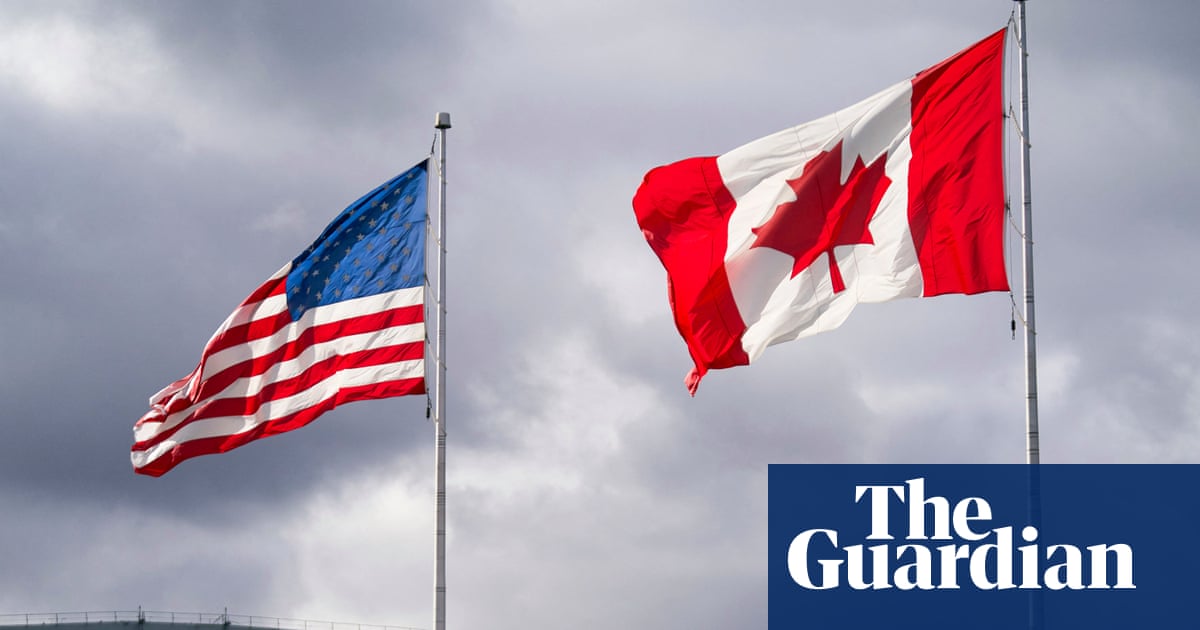
The family’s plight lies at the heart of a legal battle initiated by the Canadian Refugee Council, Amnesty International Canada, and three Honduran plaintiffs. They allege that Canadian border officials are failing to uphold court-ordered safeguards when returning asylum seekers to the U.S. under the Safe Third Country Agreement (STCA).
Safety Concerns Over the Safe Third Country Agreement
Historically, asylum seekers could apply at any Canadian port of entry. This changed with the implementation of the STCA in 2004, which mandates that migrants apply for asylum in the first country they reach. Critics argue that the U.S. should not be classified as a safe third country, citing its practice of long-term detention and the potential for deportation to places where individuals may face danger.
Canada’s Evolving Asylum System
Amid growing scrutiny, Canada’s asylum system is also undergoing changes. New legislation has introduced stricter eligibility criteria, leading some critics to label it a “Trump-style” immigration policy. Currently, Carlos, Antonia, and Alejandro, now six, are hiding in Honduras, fearing retaliation from the very gang they fled.
Recent Court Rulings and Advocacy Concerns
In 2023, Canada’s Supreme Court affirmed the constitutionality of the STCA, ending a prolonged legal challenge by advocacy groups that argued it violated asylum seekers’ rights. The court recognized a legislative “safety valve” within the agreement, which theoretically allows for discretionary exemptions based on humanitarian grounds. However, advocacy groups contend that these safety measures often remain unutilized in practice.
Voices from the Ground
Carlos expressed a deep yearning to raise awareness about their harrowing experience, stating, “I wish I could show my face and scream to the world about what happened to us.” He highlighted the difficulty in explaining their situation to Alejandro, whose life was dramatically altered in an instant, leaving profound emotional repercussions for both parent and child.
