


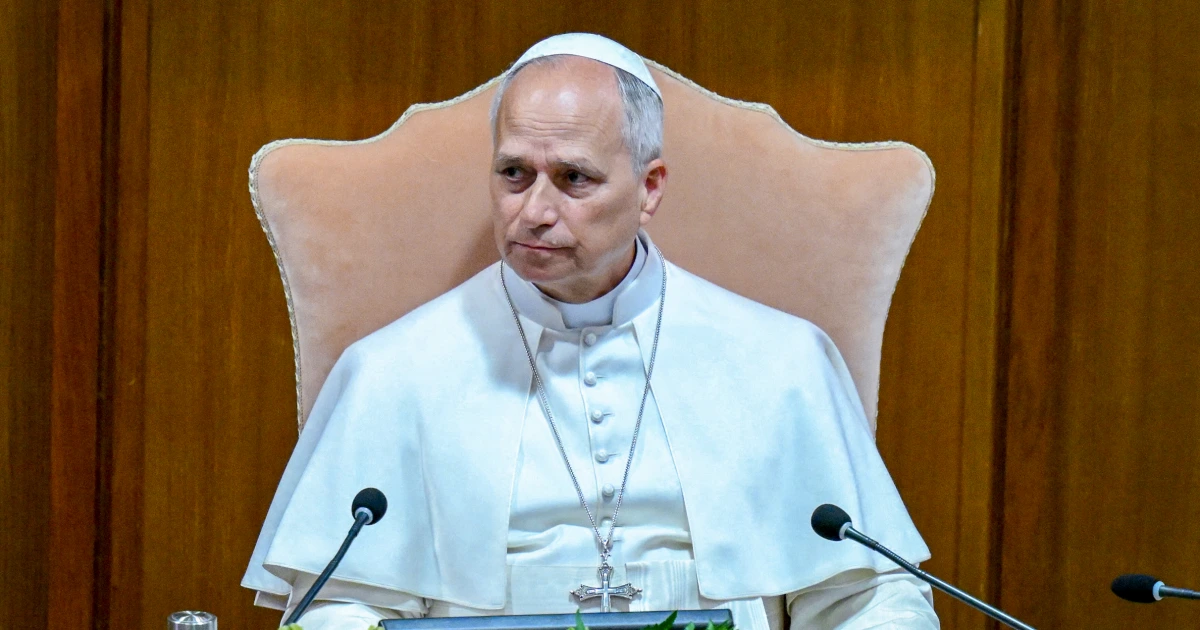
Pope Leo XIV Issues First Encyclical on AI and Human Dignity
ROME — In a significant statement on the intersection of technology and morality, Pope Leo XIV has released his first encyclical, comprising 42,000 words dedicated to safeguarding human dignity in the era of artificial intelligence. The document, completed over the course of a year, outlines crucial ethical considerations as AI continues to evolve.
The Duality of AI’s Capabilities
The Pope emphasizes an essential distinction: while AI systems like ChatGPT, Claude AI, and others can generate text rapidly, they fundamentally lack the deeper human qualities that define our existence. Despite their computational prowess, these technologies simply mimic human intelligence rather than authentically embody love, compassion, creativity, and a quest for justice.
Shaping Guidelines for AI Engagement
In the encyclical, Leo provides guidelines intended to “disarm” AI, steering it towards beneficial uses rather than potential harm. His insights are enriched with cultural references that resonate widely, making the text remarkably accessible, even as it addresses complex themes.
Literary and Cultural References Embolden the Message
The normally reserved Pope showcases his extensive knowledge of literature and art, incorporating references to figures such as Picasso and themes from J.R.R. Tolkien’s work and the film “Schindler’s List.” This approach elevates the encyclical, transforming it into both a scholarly and emotionally engaging appeal.
Confronting Modern Colonialism
In his discourse, Pope Leo draws attention to contemporary forms of colonialism, asserting that digital domination now eclipses physical control. He articulates a pressing moral challenge: ensuring that information serves as a public good, rather than a vehicle for exploitation, echoing concerns about data ownership and privacy in today’s digital landscape.
Warnings Against Indifference
The encyclical has attracted more attention than previous papal writings, notable for its conversational tone rather than a strict liturgical style. Pope Leo underscores the importance of truth, citing philosopher Hannah Arendt’s warnings about indifference leading to totalitarianism. He invokes the legacy of Martin Luther King Jr., emphasizing the need to uphold the dignity of all individuals as a catalyst for meaningful change.
A Call to Action Amidst Technological Challenges
Drawing on J.R.R. Tolkien’s Gandalf, Pope Leo implores humanity to cultivate a “civilization of love” in light of AI’s capabilities. He quotes: “It is not our role to control all the currents of the world, but to do what is within us to help the years in which we find ourselves.” His vision encourages proactive engagement in eradicating evil, ensuring that future generations inherit a world free from the scourges of technology misused.
Legacy and Influence in Papal Thought
Pope Leo acknowledges the tremendous influence of his predecessors, particularly in the context of encyclicals addressing social and economic issues. Notably, the timeliness of this document, signed on May 15, resonates with the 135th anniversary of “Rerum Novarum,” suggesting a deliberate connection between evolving challenges and historical precedents.
As he embraces his role, Leo XIV appears dedicated to alerting humanity to the potential dangers posed by unchecked advancements in artificial intelligence. His writings signal a concerted effort to align technology with the enduring principles of human dignity and ethical responsibility.
