


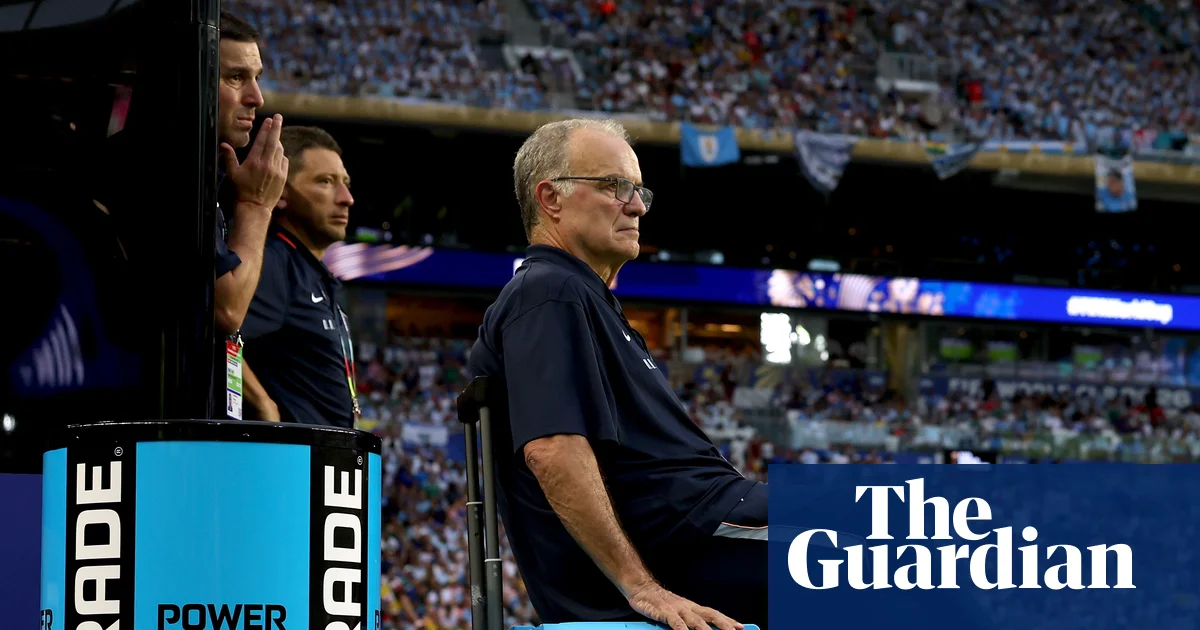
Marcelo Bielsa’s Impact on Luis de la Fuente’s Career
In the summer of 2011, coinciding with Marcelo Bielsa’s arrival at Athletic Bilbao, Luis de la Fuente was preparing to leave. Bielsa brought a transformative approach to the club. De la Fuente, a curly-haired former left-back and product of the academy, spent eight years with the first team and later coached Athletic’s Under-19 and B teams. However, he soon found himself with third-tier Deportivo Alavés, located 80 miles south. After just 11 games, he made a swift return to the sidelines.
A Year of Reflection and Learning
Following his initial stint as a senior club coach—which ended with his dismissal—de la Fuente hoped for a new opportunity. As time passed, though, calls did not come, and he began to doubt his future in coaching. It wasn’t until a year and a half later that the Spanish Football Federation reached out to him, inviting him to lead the Under-19 squad. Meanwhile, he returned to Athletic’s Lezama training ground, eager to soak up knowledge and continue his professional growth.
Admiration for a Coaching Pioneer
De la Fuente expressed his admiration for Marcelo Bielsa during a press conference, stating, “I’m a big fan of Marcelo Bielsa. He made Athletic play great. During my 18 months away, I closely observed his training sessions and learned an immense amount.” He reflected on the honor of potentially facing Bielsa for the first time as a head coach.
Critical Moments in the World Cup
Fifteen years after their initial encounters, the two men find themselves on opposing sidelines yet again. Bielsa and de la Fuente will meet in the decisive match of Group H. Spain, the reigning European champions boasting an impressive 33-match unbeaten streak, are already assured first place. In contrast, Uruguay is grappling with potential elimination from the World Cup after a turbulent start. The recent 2-2 draw with Cape Verde prompted local media to characterize their campaign as “a branch of hell, the fall of false hopes.”
Challenges Facing the Uruguayan Team
“We don’t feel inferior to anyone,” insisted midfielder Agustin Canobbio. However, the reality is more complicated. Bielsa acknowledged that many fans harbor little faith in the team’s prospects. Uruguay’s performance has suffered from avoidable mistakes, as reflected in their failure to secure victories in their last six matches. These disappointments resonate deeply within the squad, which has seen better days.
The Atmosphere Inside the National Team
Upon entering the press room in Guadalajara, Bielsa set a casual tone by greeting the press warmly. Meanwhile, Luis Suárez, reflecting on the team’s internal dynamics, revealed a troubling atmosphere within the national setup. He described it as cold and dysfunctional, where communication between players and management was lacking. Suárez, who recently departed from the national team, shared his frustrations about the environment, noting players’ struggles to connect with Bielsa, who is perceived as demanding and distant.
A Legacy Under Pressure
Despite his substantial legacy, Bielsa’s approach has faced criticism as well. After Uruguay’s overwhelming 5-1 defeat to the United States last November, he labeled himself “toxic,” recognizing the challenges of maintaining relationships in such a high-pressure environment. His methods demand excellence at every turn, with little room for mistakes. While he emphasizes the need to excel, his demeanor breeds fear rather than unity within the team.
Uruguay’s Fighting Spirit
The path ahead looks daunting for Uruguay, who must confront de la Fuente’s Spain. As the federation president claims they should reach the quarterfinals, Canobbio emphasizes the importance of embracing their identity: “We need to compete for every ball with the Uruguayan mentality.” The urgency is clear; wearing the Uruguay jersey demands honor, pride, and a refusal to settle for anything less than a fierce fight on the field.
