


Fear Grips San Bernardino’s Immigrant Community Amid Policy Changes
For months, the immigrant community in San Bernardino has been enveloped in a cloud of fear, complicating the work of Maria González, a community health worker in a city where nearly 25% of residents were born outside the United States. The apprehension has intensified following reports of increased immigration raids across Southern California, the Trump administration’s plans to share Medicaid enrollment data with Immigration and Customs Enforcement, and new restrictions on immigrants’ Medicaid eligibility at both state and federal levels.
This fear escalated in November when the federal government unveiled a proposed “public charge” rule. If enacted, the bill could prevent specific immigrants and their families from securing permanent residency if they utilize public benefits, including Medicaid.
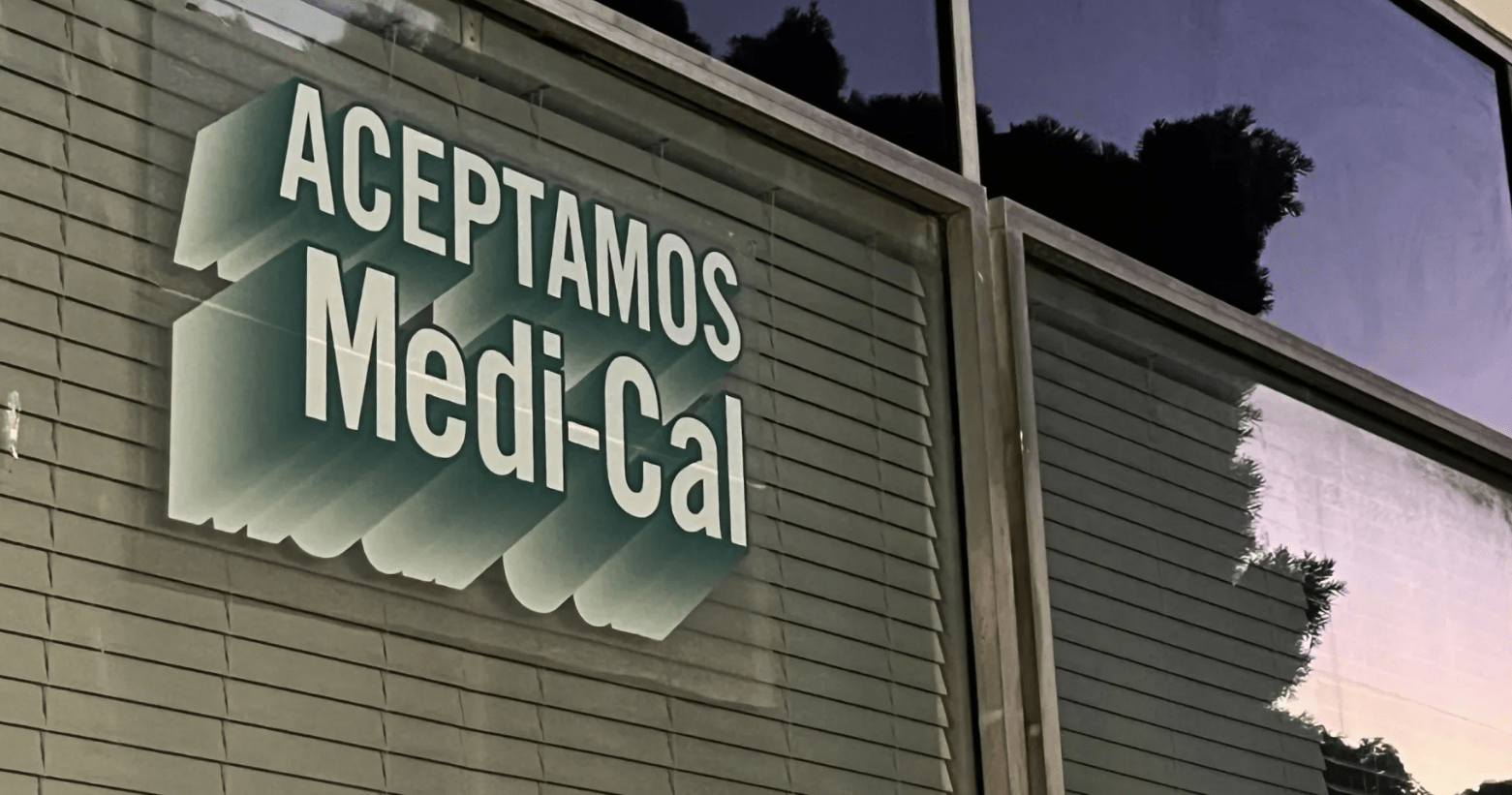
Despite many of González’s clients, including U.S. citizen children, remaining eligible for California’s Medicaid program, known as Medi-Cal, a growing number are hesitant to enroll or renew their insurance. “A lot of people don’t want to apply,” González notes, adding that some individuals are even reluctant to leave their homes for mundane tasks, such as watering plants.
An analysis by KFF Health News revealed that approximately 100,000 immigrants without legal status withdrew from Medi-Cal between June and December, the latest data available, constituting about 25% of all disenrollments during that timeframe. It’s important to note that this group accounts for only 11% of total Medi-Cal enrollees.
This trend marks a significant shift from California’s previous pattern of steadily increasing enrollment among immigrants without legal status. Since January 2024, when Medi-Cal opened its doors to all low-income residents regardless of immigration status, enrollment had been on an upward trajectory until July.
Tessa Outsees, a spokesperson for the California Department of Health Services, attributed the decline in enrollment primarily to the resumption of eligibility screenings that were paused during the COVID-19 pandemic. The overall Medi-Cal enrollment peaked in May 2023 but has since fallen by approximately 1.6 million individuals.
Investigation Sheds Light on Trends
A KFF/New York Times investigation highlighted a troubling trend: immigrant adults, especially parents, are increasingly avoiding government programs designed to subsidize food, housing, and healthcare, driven by the desire to protect their family’s immigration status. This includes not only undocumented individuals but also legal residents and naturalized citizens. Cuero expressed particular concern over the implications for children, noting that approximately one in four U.S. children has an immigrant parent, even though most are citizens.
This phenomenon might explain the 3% national drop in enrollment in Medicaid and the Children’s Health Insurance Program (CHIP) during the first 10 months of last year, including a notable 5.6% decline in child enrollment in California, according to data from Georgetown University researchers.
Under the first Trump administration, eligibility for utility assistance was expanded to include Medicaid and food aid. Consequently, many eligible U.S. citizen children and their families opted to forgo these vital programs. Even with judicial setbacks against these rules and the Biden administration’s efforts to roll back the changes, many families remained wary.
“This has caused tremendous disruption,” stated Louise McCarthy, president and CEO of the Los Angeles County Community Clinic Association, which represents around 70 health centers in the area. “Staff at community health centers are still working to reverse the effects of the original rule.”
Proposed Rules Raise Concerns over Public Charge Policies
Currently, only individuals receiving cash assistance or long-term institutional care are viewed as a public charge risk during visa applications. However, under the Trump administration’s proposed regulations, non-cash benefits like Medicaid could factor into assessments of whether immigrants are likely to become dependent on government support. The Department of Homeland Security (DHS) states that these changes would enhance their ability to evaluate immigrants’ reliance on public resources. The public comment period for the proposal concluded in December.
While DHS has not specified a timeline for final decisions on the proposal, it emphasizes a longstanding policy advocating for the self-reliance of foreign nationals. The agency has projected that the reforms would save federal and state governments about $9 billion annually, stemming from individuals opting out of public benefits programs.
KFF’s examination of the proposed rule estimates potential disenrollment figures ranging from 1.3 million to 4 million individuals from Medicaid or CHIP, possibly affecting up to 1.8 million children.
“It’s clearly been weaponized to create fear and anxiety,” asserted Benjamin Chao, director of health and public benefits policy at the California Immigration Policy Center, pointing to the proposal as a broader attack on legally present immigrants, their families, and American society.
Implications for Nutritional and Healthcare Programs
Increasing concerns about utility costs are expected to diminish California’s participation in hunger alleviation programs such as the Supplemental Nutrition Assistance Program (CalFresh). Mark Lowery, director of the Orange County Food Bank, warned that this, combined with disenrollment driven by recent policy changes, could overburden local food resources, as federal nutrition programs comprise a significant portion of food assistance.
“There is no way the emergency food system has the capacity or resources to meet these needs,” he remarked.
Healthcare Access Amid Lingering Fears
Not all immigrants are deterred by fears of enrolling in Medi-Cal. Juana Zaragoza, who manages a program in Oxnard aimed at assisting farmworkers, primarily indigenous Mexicans, has observed stable enrollments in Medi-Cal over recent months. She indicated that her community is largely unaware of the proposed utility bill changes, as immediate healthcare needs often take precedence.
“We meet a lot of people who are balancing what’s going to benefit them now and what’s going to benefit them later,” Zaragoza noted, highlighting the urgency with which many individuals prioritize their current health requirements over potential future implications.
KFF Health News serves as a pivotal source for in-depth reporting on health-related issues and stands as an independent entity within the KFF framework, focusing on health policy research, polling, and journalism.
