


Closure of Main Immigration Court in San Francisco Raises Concerns Over Case Backlogs
The Justice Department recently announced the closure of San Francisco’s primary immigration court, a move that attorneys fear could exacerbate the already significant backlog of immigration cases in the Bay Area.
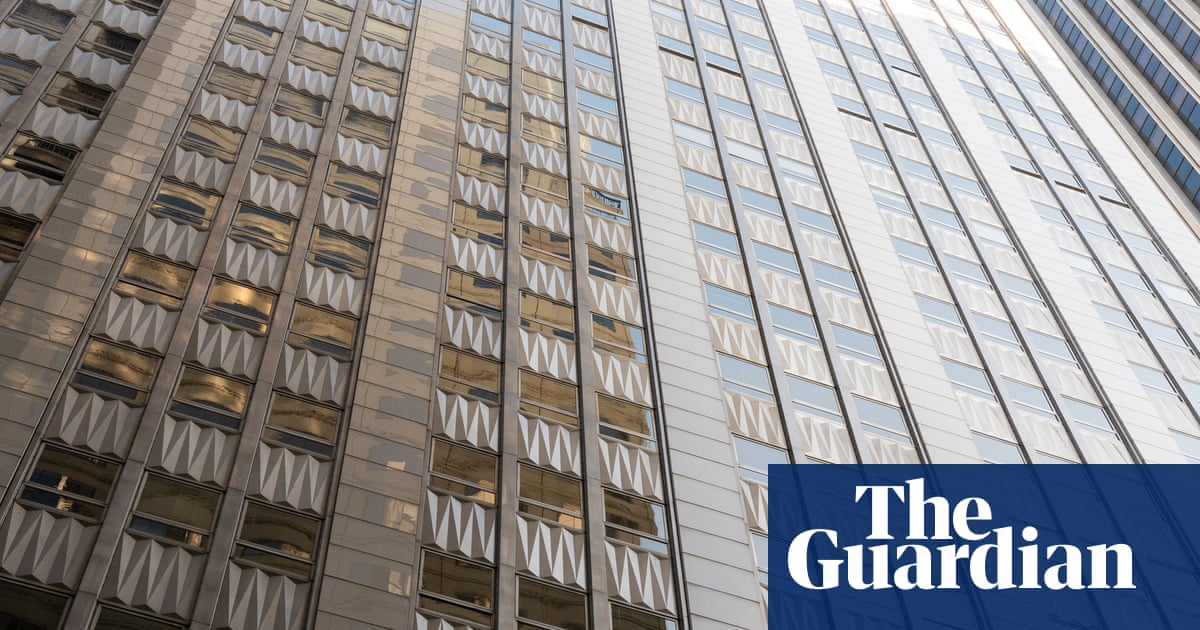
Reports surfaced earlier this year indicating that the courthouse located at 100 Montgomery Street is set to shut its doors in January 2027. This follows the Justice Department’s decision to dismiss 20 of the court’s 22 judges last year. Critics assert that the Trump administration aimed to replace certain immigration judges with those more aligned with its aggressive deportation agenda.
In a statement, the Justice Department’s Office of Immigration Review (EOIR) characterized the closure as a “cost-effective” measure. While some smaller courts in San Francisco will continue to operate, the majority of court functions will be relocated approximately 35 miles to the immigration court situated in Concord, in the East Bay.
Opened in 2024, the Concord court was intended to address the growing backlog of immigration cases exacerbated during the Biden administration. EOIR statistics reveal that as of September 2025, there were approximately 3.75 million pending immigration cases nationwide, with around 120,000 cases residing in San Francisco, according to the Transaction Records Access Clearinghouse (Trac), a research organization affiliated with Syracuse University.
Legal experts express skepticism over whether the Concord court, which recently experienced the removal of six judges, can effectively manage the caseload from the now-closed San Francisco court. The Justice Department did not provide a comment in response to inquiries.
“These delays can have a profound effect on individuals, impacting their ability to obtain timely answers and achieve closure, whether the result is favorable or otherwise,” noted Sheila Levin, a former judge at the San Francisco Immigration Court and now legal director of the Bay Area Immigration Institute.
Additionally, the passage of time poses risks to the integrity of testimonies presented. “Asylum hearings often rely heavily on oral testimony from claimants and witnesses, and memories can fade over time,” Levin cautioned. “Even with written evidence, the absence of witnesses after several years can undermine a case.”
Atkinson identified confusion as a significant consequence of the court closure and the reduction in available judges. This upheaval has led to inconsistencies in court schedules, with some hearing dates being postponed while others are suddenly expedited.
Atkinson anticipates that numerous individuals may fall through the cracks of the court system. “Many immigrants lack stable addresses or may not receive correspondence reliably,” she explained, noting that notices in English may not be accessible to those who are not fluent in the language.
Missing a hearing can have severe repercussions, potentially drawing the attention of Immigration and Customs Enforcement (ICE). Atkinson warned, “An error in the hearing date, time, or location, or a failure to file correctly, can lead to life-threatening consequences for those with genuine fears about returning to their home countries.”
