


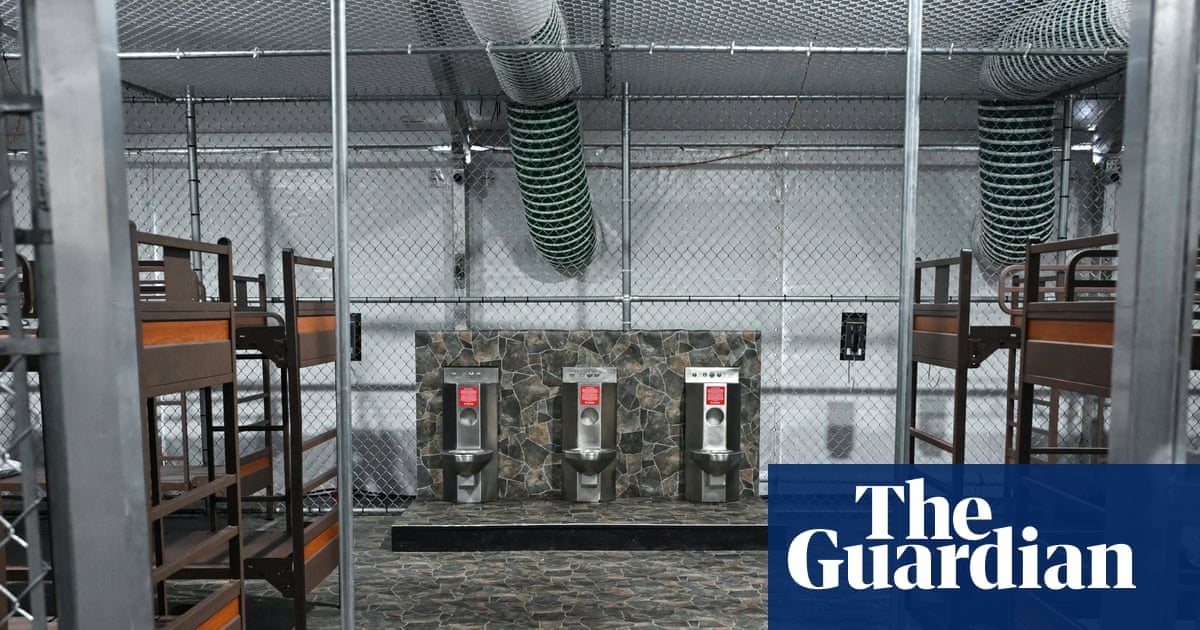
Florida Governor Announces Closure of Controversial Immigration Prison
Florida’s Republican Governor Ron DeSantis announced on Thursday the closure of Alligator Alcatraz Island, a notorious immigration detention facility known for its brutal conditions, human rights violations, and negative environmental impact. The governor reported that 21,000 individuals have been deported as a result of a year-long operation that he presented as a testament to the administration’s strict immigration enforcement policies.
Claims of Success Amidst Criticism
During a news conference held alongside Tom Homan, a key figure in President Donald Trump’s border policy, DeSantis highlighted the closure of the facility, which had been hastily constructed in the Everglades. He claimed that the actions taken against undocumented immigrants contributed to enhanced safety for both Florida and the nation. “Alligator Alcatraz has done its job,” he noted, stating that all detainees had been relocated to other federal immigration sites.
Escalating Backlash Over Treatment of Detainees
Despite the governor’s assertions, Alligator Alcatraz has faced intense scrutiny for its treatment of detainees. Critics argued that the facility, costing taxpayers approximately $1.2 million daily, has become a political liability for DeSantis. Reports have detailed allegations of inhumane treatment, including physical abuse and a lack of access to legal counsel.
Activism Leads to Facility’s Closure
Noel D’Amico, social justice director for the advocacy organization Workers Circle, attributed the closure to widespread public activism. D’Amico stated, “We the people made Alcatraz politically toxic,” emphasizing that community outcry was instrumental in shutting down the facility that had become synonymous with suffering. The organization held its final weekly “freedom vigil” outside the prison just days before the announcement.
Detainee Profiles Raise Ethical Concerns
While DeSantis did not address allegations concerning detainee treatment, he claimed that most individuals held at Alligator Alcatraz had criminal records. The facility, a makeshift operation established on a former training airport, facilitated deportation flights for individuals the governor described as a threat to public safety. He provided names of those he claimed had severe criminal histories, attempting to bolster his narrative that the facility was necessary for law and order.
Contradicting Evidence Surfaces
Contrary to the governor and Homan’s claims, investigative reports have revealed a significant number of detainees had no past criminal records, with many merely detained for civil violations related to undocumented status. This phenomenon has prompted serious questions about the ethical implications of the state’s aggressive immigration policies, as the majority of individuals in ICE facilities across the U.S. lack felony convictions.
Environmental Concerns and Future Steps
In addition to human rights issues, DeSantis briefly addressed the environmental implications of Alligator Alcatraz. The facility has been the subject of an ongoing lawsuit from advocacy groups and the Miccosukee Tribe, alleging pollution of the surrounding wetlands in the Everglades. DeSantis defended the facility’s operational practices, claiming efforts were made to mitigate environmental damage. He also reiterated his expectation that the federal government would reimburse Florida for the costs incurred, though timelines remain unclear.
Implications for Future Immigration Policy
The closure of Alligator Alcatraz has been perceived as a setback for both DeSantis and the Trump administration, particularly as they pivot to new strategies in immigration enforcement. D’Amico expressed that while they may attempt to shift the focus elsewhere, their efforts to instill fear and hatred towards immigrants have largely failed. She underscored the resilience of community activism, stating, “The public said no, this is not who we are,” reinforcing the idea that Americans will continue to stand for justice and equality.
