


table of contents
On July 16-17, 2026, China inaugurated the World AI Cooperation Agency (Waico), an intergovernmental body focused on artificial intelligence, in Shanghai. This launch united 29 founding members, including ten African nations: Algeria, Cameroon, Congo, Ethiopia, Kenya, Lesotho, Mozambique, Senegal, South Africa, and Zambia. The establishment positions Beijing as a central player in a newly formed global AI forum while embedding African governments within a governance framework directed by China.
Digital sovereignty emerged as a focal point during the Global Africa Tech 2026 Summit in Algiers, convened under the patronage of President Abdelmadjid Tebboune. Discussions centered on enhancing digital infrastructure, ensuring the security of undersea cables, and improving terrestrial networks and continental connectivity.
In this context, an analysis by Les Afriques titled Africa’s Digital Sovereignty: China’s Face of AI and 5G, published on July 21, 2026, argues that the balance of power is increasingly dictated by control over data, models, and standards rather than traditional infrastructure. The article suggests that the influx of Chinese technology is both a catalyst for rapid progress and a critical test of African nations’ ability to navigate technological dependence.
Shifts in Data Management and Infrastructure
Africa’s quest for digital sovereignty has transitioned from aspiration to reality, evident in the agreements surrounding data centers, cables, and cloud services that frequently bind key assets to Chinese stakeholders.
The Senegalese government commissioned the Diamniadio national data center in 2021 to ensure “digital sovereignty.” Built by Huawei at a cost of $18.2 million, it was financed through a loan from the Export-Import Bank of China. Similarly, Zimbabwe’s national data center is part of a broader $98 million national broadband initiative, also backed by the Chinese bank.
At the African Union headquarters in Addis Ababa, Huawei highlighted its role in providing data center infrastructure and basic communication equipment, maintaining that while it does not access the agency’s business data, it still forms the foundation of the African Union’s digital ecosystem.
On the regulatory front, the African Union’s 2022 Data Policy Framework emphasizes data governance and digital rights as critical to Africa’s shared data landscape. It urges member nations to invest in data capabilities and emerging technologies such as AI, promoting a controlled digital transformation rather than total outsourcing to external parties.
5G Infrastructure and Reliance on Chinese Suppliers
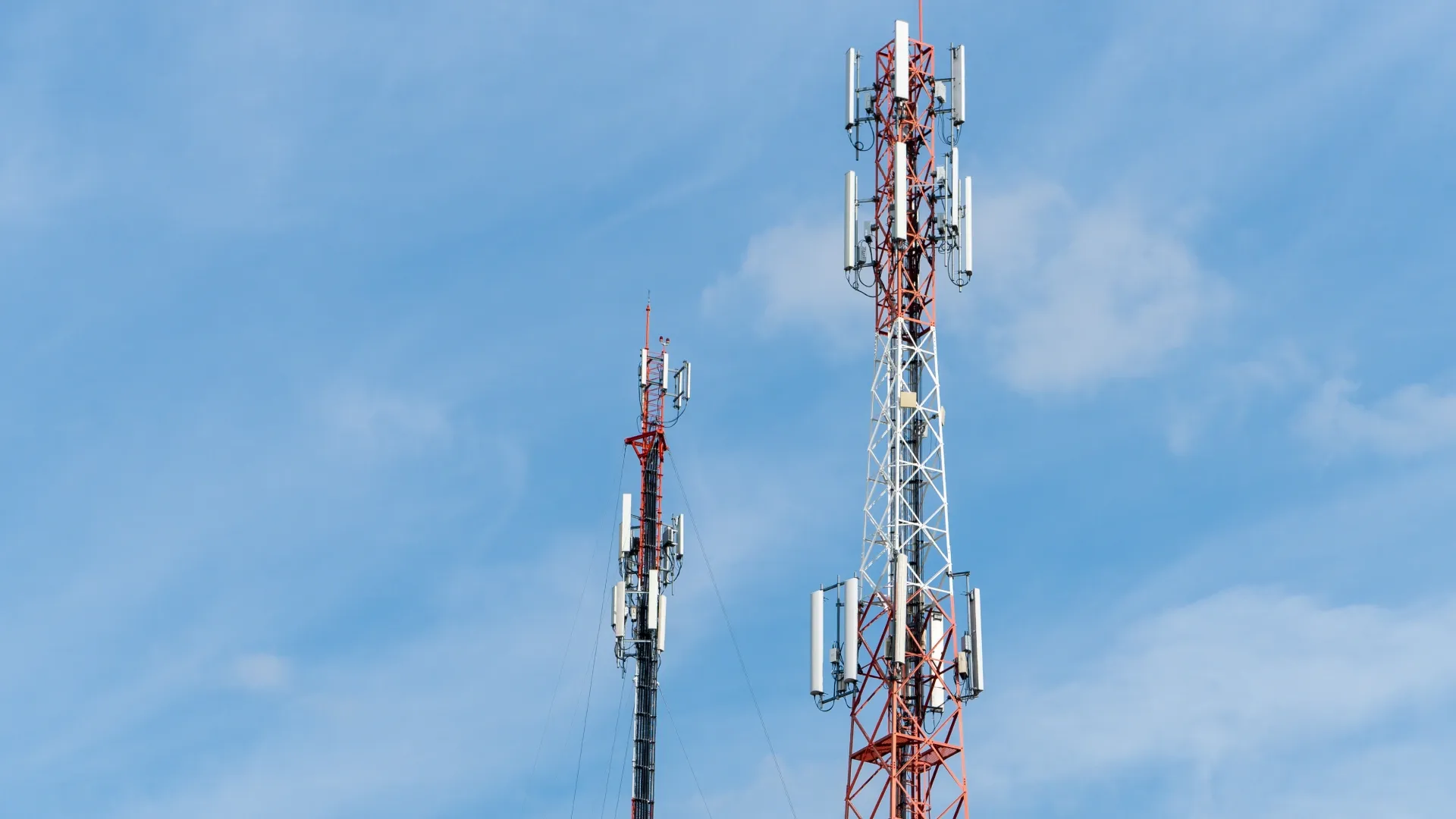
The implementation of 5G technology exemplifies the complexities of Africa’s relationship with Chinese vendors. In many regions, the absence of these suppliers would likely hinder reliable network deployments, yet this dependence essentially locks countries into long-term commitments.
For instance, Ethio Telecom has engaged Huawei as a central partner in its “Emerging Markets 2.0” transformation model, catering to its 69.5 million mobile subscribers by leveraging Huawei’s 5G and cloud solutions to foster a digital economy.
In March 2025, MTN and Huawei formalized a partnership in Barcelona to collaborate on developing 5G-Advanced networks and AI-driven cloud solutions, aiming to digitalize several African markets through Chinese-provided infrastructure.
Current assessments indicate that several African countries have already launched commercial 5G services. Vendors like Huawei and ZTE are prominent players in this rollout, alongside established companies such as Nokia and Ericsson. This illustrates the critical role that partnerships with Chinese suppliers have in shaping the region’s digital infrastructure.
AI, Governance, and the Challenge of Sovereignty
The advent of artificial intelligence has heightened discussions surrounding sovereignty. Without control over data and models, the function of 5G risks devolving into merely a conduit for external services.
Experts in AI data governance note that few African nations have implemented specific AI laws or guidelines. While the African Union’s 2022 Data Policy Framework offers a reference, operationalized AI policies remain scarce. This framework stresses the importance of investing in infrastructure, skills, and regulation to avert new forms of dependency as technological advancements occur.
Discussions about data sovereignty highlight the rise of Chinese-built data centers, which coincide with Africa’s intensifying discourse on retaining strategic data within its borders and fostering sovereign cloud solutions. The CODES Africa 2025 White Paper advocates for prioritizing digital sovereignty as an essential aspect of development, proposing new centers for excellence in AI and cybersecurity while promoting the emergence of Africa’s “digital champions.”
WAICO and the Future of African AI Governance
The participation of ten African nations in Waico will serve as a practical examination of how the continent seeks to navigate the emerging landscape of AI governance.
The founding document of the World Artificial Intelligence Cooperation Organization (WAICO) lays out the challenges related to international collaboration in AI, particularly in terms of experience sharing and governance. China’s role as a facilitator presents an opportunity for member states to cultivate skills and safeguard their digital sovereignty.
The subsequent steps will involve translating these commitments into domestic legislation. Enacting data protection laws tailored to AI, stipulating localization requirements for sensitive data, establishing minimum transparency standards for algorithms in contracts with Chinese providers, and fostering the development of cloud and AI models based on African data will crucially influence whether the continent deepens its reliance on 5G and AI infrastructure or carves out enhanced strategic autonomy.
