


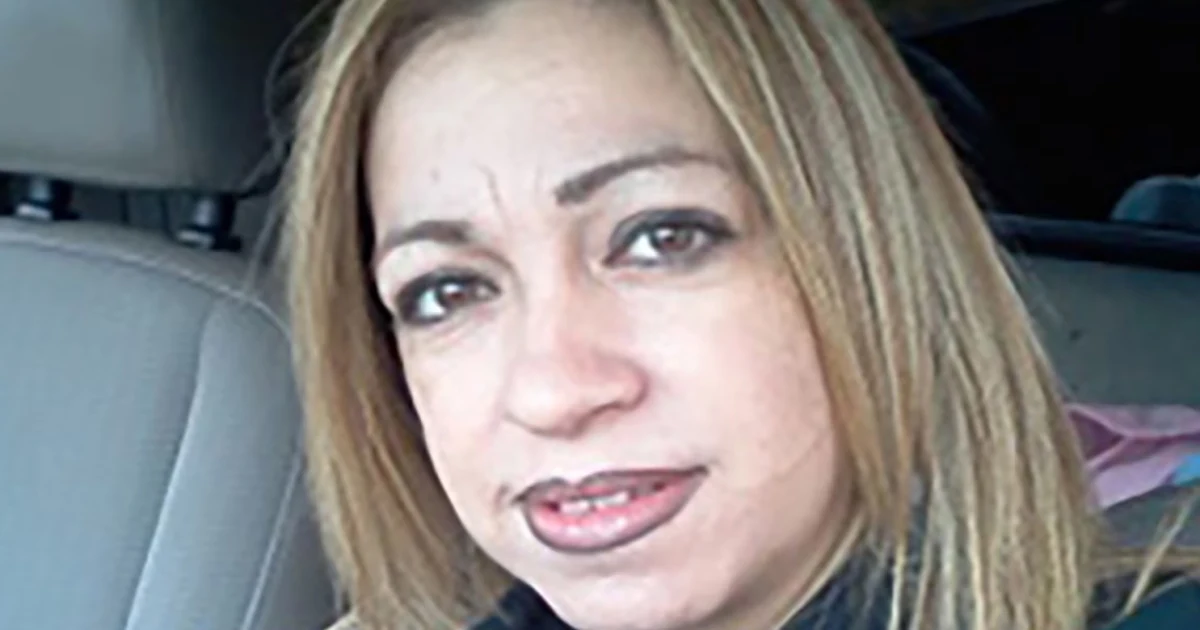
Identifying the Long-Sought Suspect in the Iracema Chavez Case
The tragic murder of Iracema Chavez, who was brutally stabbed over 100 times in her Texas apartment in 2012, has remained unresolved for more than a decade. After extensive investigations, authorities have finally identified the suspect.
Arrest and Charges Filed
On Wednesday, Arlington police, alongside the FBI, announced the arrest of Mayra Velasquez, 42—a friend of Chavez. Velasquez was apprehended on a warrant and now faces charges of capital murder. The motive behind the heinous act is still unclear.
Genetic Genealogy Leads to a Breakthrough
The identification of Velasquez was made possible through genetic genealogy research, a method that utilizes crime scene DNA, genealogical research, and historical records to solve cold cases. Detectives employed this innovative approach after years of investigation.
Details of Chavez’s Death
Chavez, who was 32 at the time of her death, was discovered unresponsive and covered in blood in her apartment on January 20, 2012. Emergency responders pronounced her dead at the scene, and the Tarrant County Coroner’s Office confirmed the extent of her injuries.
Critical Evidence Pointed to a Suspect
In the aftermath of the murder, authorities noted that a television was missing from Chavez’s apartment, suggesting potential theft. Investigators found a drop of fresh blood on the TV stand, which was later analyzed in a crime lab and revealed to belong to an unidentified Hispanic woman, not Chavez.
Connecting the Dots with DNA Analysis
The DNA profile collected was uploaded to the FBI’s Combined DNA Index System, a national database aimed at matching DNA profiles in criminal cases, but yielded no results at the time. However, in November 2024, the Arlington Police Department’s Homicide Unit collaborated with the FBI’s Dallas Field Office to explore the use of investigative genetic genealogy. By April, the FBI’s team had identified Velasquez as a potential suspect.
Further Investigation and Arrest
Detectives learned that Velasquez had previously been in Chavez’s apartment and had lived nearby. Velasquez was eventually linked to the crime when a DNA sample taken from discarded trash matched the blood sample from the victim’s murder scene. She was arrested in Hearst and is currently held without bail at the Tarrant County Jail, with no immediate clarity on her legal representation.
A Ray of Hope for Chavez’s Family
For Chavez’s family, this recent development has brought a long-awaited sense of relief after years of anguish. Detective Tracy Dixon, visibly emotional, expressed the gratitude felt by the family during a press conference. He highlighted the importance of the investigators’ work in bringing closure to the case.
The Role of Genetic Genealogy in Law Enforcement
Joe Rothrock, the special agent in charge of the FBI’s Dallas field office, commended genetic genealogy as a vital tool for modern law enforcement. He noted that since 2018, the FBI has successfully used this method to solve over 250 cases across 30 states, showcasing its effectiveness in combating crime.
