


Nigeria’s Agricultural Trade Gains Traction Amid Food Inflation Concerns
Nigeria is making significant strides in combating food inflation while enhancing local feed production, reigniting agricultural trade between the U.S. and Nigeria. The U.S. Soybean Export Council (USSEC) is collaborating with Nigerian stakeholders to boost operational efficiency, nutritional value, and competitiveness in the feed mill sector, which is grappling with escalating input costs and expanding processor capacities.
Conference Promotes Sustainable Agribusiness Practices
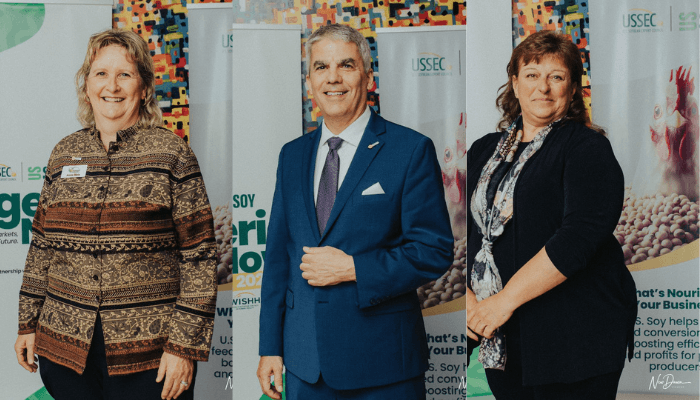
The recent “Nigeria: Now” summit, hosted by USSEC in Lagos, centered on the theme “Bridging Markets, Building the Future.” This event aimed to strengthen technical cooperation, precision nutrition, and trade partnerships that could support Nigerian agribusinesses by reducing costs, increasing soybean productivity, and tapping into export markets. With soybeans being a crucial feed source for livestock, the summit attracted over 150 agricultural leaders who gathered to address the country’s protein deficit and explore ways to enhance the food and feed industry’s production capacity.
Addressing Nigeria’s Protein Deficiency
Nigeria’s current per capita protein consumption stands at approximately 45.4 grams per day, falling short of the United Nations FAO’s recommended minimum of 60 grams. Discussions at the summit emphasized the role of high-quality U.S. soybean to enhance animal performance, optimize feed conversion rates, and support the development of Nigeria’s livestock and aquaculture sectors.
Insights on Soybean Production and Trade Potential
The summit proved to be an invaluable forum for feed millers, who gained insights from various presentations, including success stories from U.S. soybean farmers regarding sustainable agriculture practices. Brent Babu, Executive Director of the Soybean Excellence Center & Sub-Saharan Africa at USSEC, highlighted Nigeria’s socio-economic potential, emphasizing the opportunity to foster soybean production as demand continues to rise. With more than 60% of the U.S. soybean crop exported globally, Nigeria stands out as a promising market for further expansion.
Building Collaborative Relationships for Agricultural Growth
Brent elaborated on the importance of collaboration, noting that while Nigeria grows some soybeans, the increasing demand may necessitate imports. He underscored USSEC’s commitment to complementing local agriculture, particularly in poultry, aquaculture, and livestock farming. The organization is actively assisting Nigerian farmers in developing efficient feed formulation practices, which is vital for the sector’s growth.
Technical Education Enhances Agricultural Practices
Training initiatives are pivotal in ensuring that Nigerian farmers and feed millers receive the latest industry knowledge and practices. Anne Mace, Chair of the Nebraska Soybean Excellence Center Global Advisory Board, reported that over 5,000 participants have benefited from training programs in Nigeria over the past five years. The educational efforts have proven successful, with participants reporting improved work skills and profitability after completing the courses.
Addressing Nigeria’s Protein Deficit and Future Opportunities
As the country grapples with a critical protein deficit, the Lagos State Commissioner for Agriculture and Food Systems emphasized that food security encompasses more than agriculture; it is essential for socio-economic development. Planned investments in poultry, aquaculture, and livestock, supported by efficient feed systems and robust soil value chains, are vital in addressing this challenge. The summit served as a reminder of the ongoing opportunities for farmers to fortify Nigeria’s agricultural framework and meet growing protein demands.
