


Enugu State Partners with Renewable Energy Developers
The Enugu State government has taken a significant step toward enhancing electricity access by signing grant agreements with four renewable energy developers. This initiative aims to provide power to four underserved rural communities across three senatorial districts in the state.
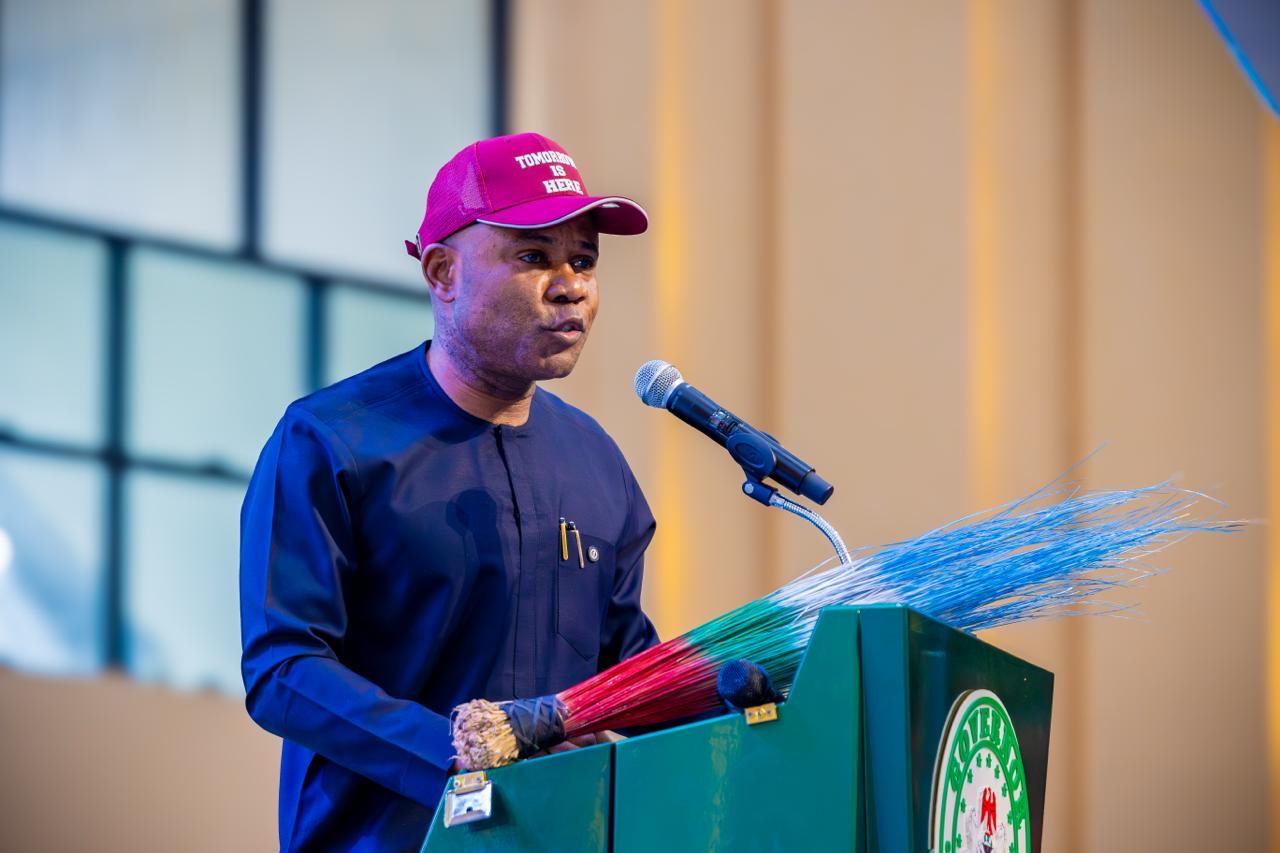
The agreements were formalized during the Renewable Energy Development for State Electricity Market (REDSEM) Grant Agreement signing ceremony held in Enugu. This event was hosted by the Enugu State government in collaboration with the Nigeria Energy Support Program (NESP) and the German Development Agency (GIZ).
The selected communities set to benefit from this initiative include Okpatu, Ugbawka, Agonta, and Ijabe. Among the chosen developers are Darway Coast Nigeria Ltd and Sea Solar Energy Limited, both tasked with implementing essential power infrastructure.
Initiatives and Funding Details
Chairman of the Enugu State Electricity Regulatory Commission (EERC), Chijoke Okonkwo, highlighted the program as a pivotal moment for energizing these underserved communities, with funding provided through in-kind grants from the German government via GIZ. The grant will cover the procurement of vital infrastructure, including solar panels, batteries, inverters, and other necessary equipment to establish integrated solar mini-grids, each with a minimum generation capacity of 200 kilowatts.
The electricity delivered through this initiative will not be free; however, it will be offered at affordable rates to ensure long-term sustainability. Okonkwo pointed out that these communities are among 113 identified by the state government as requiring electrification. Additionally, local agreements facilitating land access and developer collaboration are already in place, with regulatory oversight ensuring compliance and consumer protection standards.
Public and Investor Confidence in Renewable Energy
Joshua Garba, head of the GIZ-NESP Sustainable Energy Investments component, emphasized that the project is co-funded by the European Union and the German government. He praised Enugu State for its proactive stance in implementing the Nigerian Electricity Act and developing a robust state electricity market.
Garba conveyed the significance of Enugu’s advancements in the power sector, stating, “The state consistently stands out in our discussions regarding progress in energy.” He expressed commitment to ongoing support for the state beyond current initiatives.
Chidibelu Oniah, the Enugu State Government Secretary, represented Governor Peter Mba at the ceremony, reaffirming the administration’s commitment to making Enugu investment-ready. He underscored the importance of reliable electricity access for fostering economic growth, enhancing security, and supporting healthcare and education.
Project Vision for Economic Transformation through Reliable Power
Mr. Franklin Enyinna, Enugu State Commissioner for Energy and Mineral Resources, asserted that this project aligns with the state’s economic transformation agenda. “Enhancing Enugu’s economy from $4.4 billion to $30 billion is impossible without a reliable power supply,” he stated. Enyinna reiterated that the project reflects Governor Mba’s vision of positioning Enugu as an investment-friendly destination.
Oversight for implementation will fall to the Enugu State Electrification Authority, led by Managing Director and CEO Christopher Ezeoha. He emphasized the authority’s role in ensuring compliance with technical standards and sustainability in operations.
Providing Reliable Electricity to Rural Communities
Chibueze Ekeh, CEO of Sea Solar Energy Limited, expressed optimism about the project, highlighting that the rigorous selection process ensured only the most capable companies were chosen. The initiative is set to deliver reliable 24-hour electricity to rural areas for the first time, significantly enhancing the quality of life, security, and economic productivity.
Sea Solar Energy alone anticipates directly serving approximately 600 households, translating to nearly 3,000 individuals. Combined, the solar power system is projected to benefit around 8,000 residents across the four communities, with a peak generation capacity between 200 and 300 kilowatts. Ekeh noted that with timely fulfillment of grant conditions, project implementation could be completed within 12 months.
