


Severe Impact of U.S.-Iran Trade Struggle on Water and Power Infrastructure
As tensions between the United States and Iran escalate, essential water and power infrastructure in the arid Middle East has suffered significant damage, coinciding with scorching temperatures exceeding 100 degrees Fahrenheit.
Desalination Plant Attack Leaves Villages Without Water
Approximately 10,000 residents across 20 Iranian villages experienced severe water shortages after a U.S. airstrike targeted a desalination plant in the coastal village of Bonj. Reports from the semi-official Tasnim news agency indicated interruptions to drinking water supplies in several areas of the western Jask district, as noted by the head of the local water company.
Iran’s Response and Regional Tensions
This week, Iran has retaliated by focusing on attacks against U.S. allies, notably striking Kuwait multiple times. In light of these assaults, Kuwait’s Energy Ministry urged residents to conserve electricity during peak hours after a fire erupted at a power and desalination facility, marking the second incident of this nature in just two days.
Kuwait’s Energy Infrastructure Under Attack
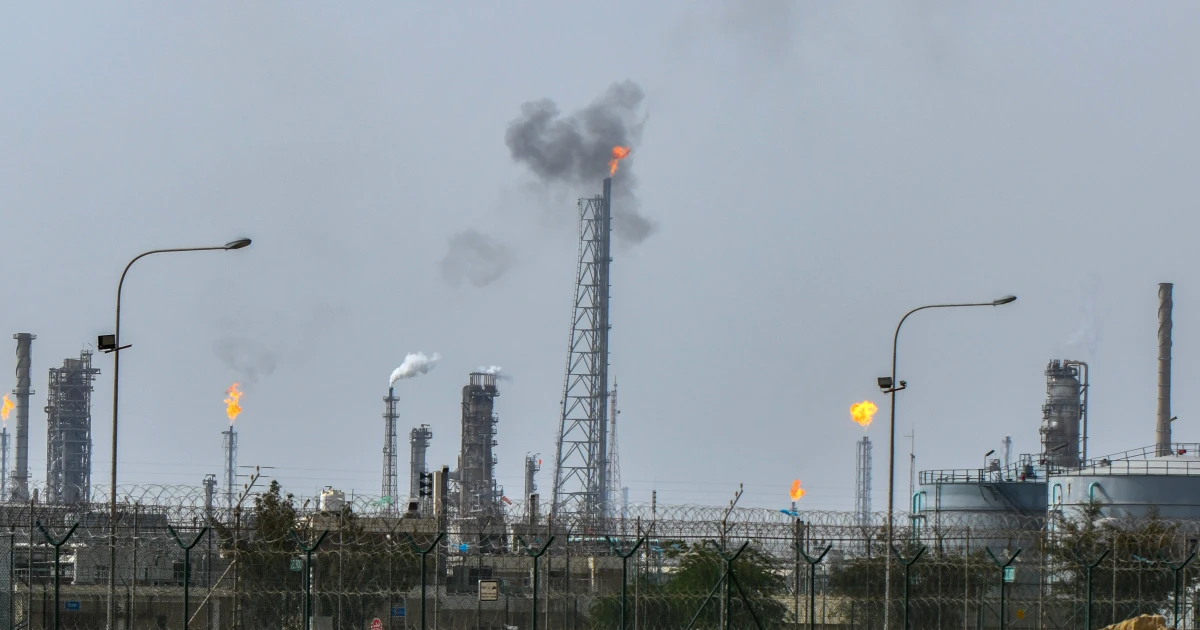
The Kuwait Petroleum Corporation confirmed that one of its critical facilities was targeted, resulting in injuries and considerable damage. Brigadier General Saud al-Otaibi from the Kuwait Ministry of Defense described the attack on oil and power assets as causing “serious damage.” In a stark statement, Iran’s Foreign Ministry claimed that the targeting of vital infrastructure reflects a systematic aggression aimed at civilians.
Challenges of Energy Rationing in Kuwait
Energy rationing poses significant challenges for Kuwaiti citizens, especially during summer months when temperatures soar above 110 degrees Fahrenheit in a relentlessly dry environment. The current situation exacerbates the difficulties faced by civilians amid ongoing hostilities.
Escalating Attacks Signal Further Conflict
Both the U.S. and Iran have primarily focused their military actions on each other’s military installations since a temporary ceasefire dissolved more than a week ago. However, the recent assaults on critical energy infrastructure suggest a dangerous escalation in hostilities.
U.S. Military Actions and Strategic Objectives
U.S. Central Command reported the conclusion of seven consecutive nights of attacks targeting military assets but did not address any operations involving civilian infrastructure. The recent U.S. strike on a bridge linking the crucial southern port of Bandar Abbas to Tehran appears aimed at pressuring Iran over its control of the strategic Strait of Hormuz.
Competing Claims on Regional Attacks
Conflicting narratives abound regarding the events on Saturday, with Kuwait reporting the interception of Iranian missiles and drones. Meanwhile, Bahrain claimed to have intercepted an Iranian missile earlier that morning. Furthermore, Jordanian forces successfully thwarted an Iranian attempt to target a U.S. military base, with claims from Iran’s Revolutionary Guard indicating that two U.S. fighter jets were destroyed—though NBC News could not verify this assertion.
Consequences of Ongoing Strikes
Iran has reported significant losses from U.S. airstrikes, asserting that civilian infrastructure has been destroyed and dozens of lives lost. Officials noted that recent airstrikes alone resulted in at least 46 fatalities and over 400 injuries. Amidst this turmoil, the Iranian Energy Ministry has called for electricity conservation, emphasizing the extreme heat affecting the southern provinces.
Geopolitical Implications of Targeted Strikes
The situation in the region remains volatile as Iran has also engaged in attacks on strategic locations, such as the strategic island of Qeshm and Chabahar port—where India operates a terminal—and has reportedly succeeded in destroying a control tower. India’s Ministry of External Affairs confirmed awareness of the incident, indicating that no damage occurred to their operations.
