


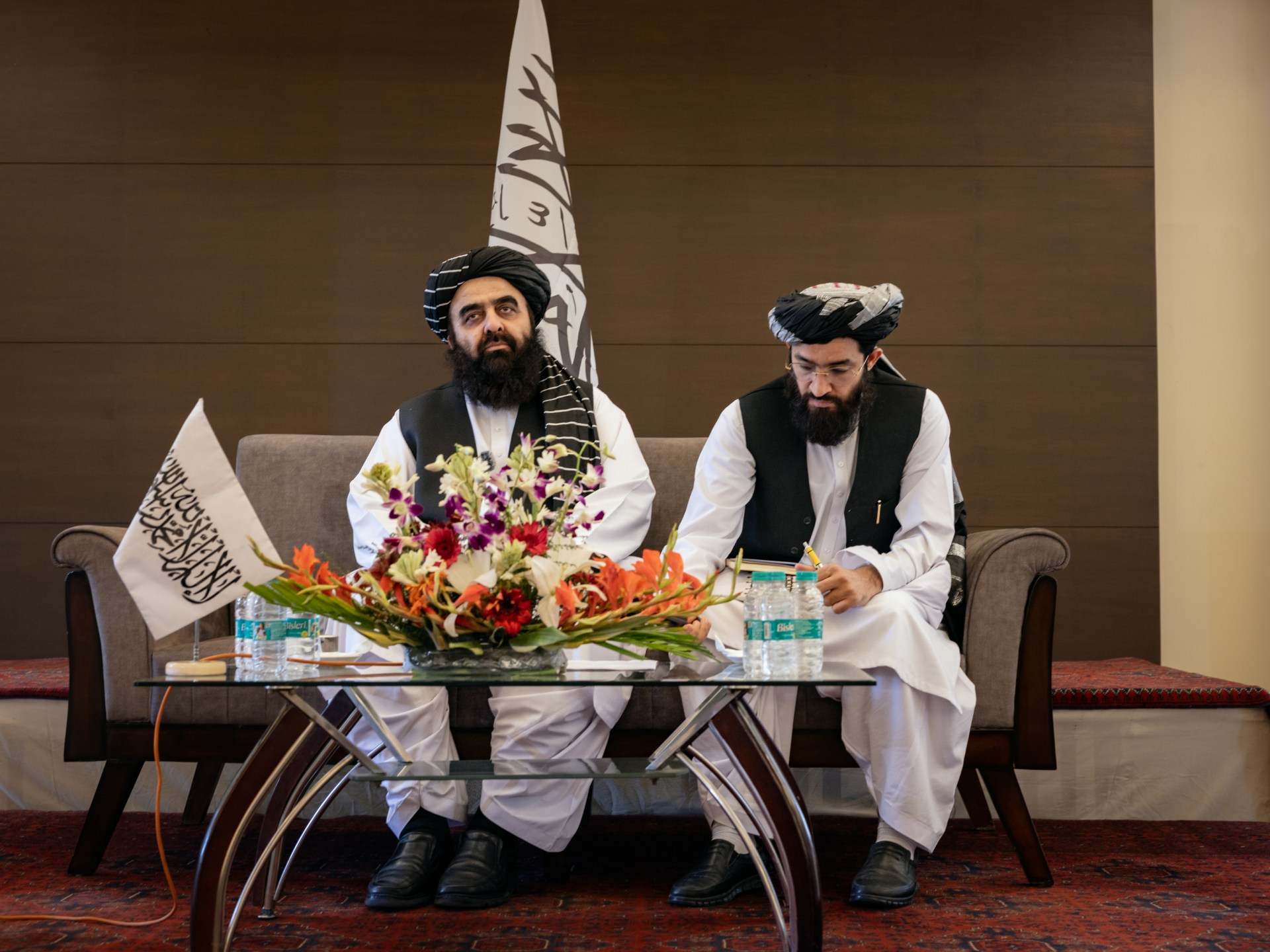
Belgium has granted five visas to a Taliban delegation for their attendance at the upcoming European Union Conference on Migration in Brussels. The conference aims to address the deportation of Afghan asylum seekers from various European nations.
This meeting, scheduled for Tuesday, marks the EU’s first engagement with the Taliban since their return to power in Afghanistan nearly five years ago.
Details on Visa Issuance
A spokesperson for the Belgian Foreign Ministry confirmed that the visas, which were issued on Monday after a thorough security check, are valid for just one day in Belgium.
EU Focus on Migration Issues
The European Commission is extending invitations to Taliban officials to discuss irregular migration from Afghanistan to the 27-nation bloc, in particular regarding the deportation of Afghans whose asylum claims have been rejected.
The specific Taliban representatives invited to the meeting have not been disclosed, although it is noteworthy that several officials are currently subject to EU sanctions.
Concerns Over Security
European Commission spokesperson Markus Lammert stated during Monday’s daily press briefing that member states are deliberating on how to deport individuals who have committed serious crimes or pose a security threat. This initiative is firmly under the Commission’s purview.
Focus on Afghan Nationals
The upcoming meeting will principally address “the return and re-entry of Afghan nationals who do not have the right to stay in the European Union,” as indicated in a letter to Taliban foreign ministry spokesperson Abdul Qahar Balki, which was reviewed by Reuters.
No Formal Recognition of the Taliban
Despite these discussions, the European Commission has emphasized that this meeting does not equate to formal recognition of the Taliban by Brussels.
Countering Human Rights Concerns
Since their return to power in August 2021, the Taliban have systematically infringed upon human rights, notably restricting women’s rights, banning girls from secondary education, and enforcing strict moral regulations that limit freedom of expression and employment opportunities. Following the Taliban’s takeover, European governments also shuttered their embassies in Kabul.
Human rights advocates are urging the European Commission to reconsider its engagement with the Taliban. Fereshta Abbasi, an Afghanistan researcher at Human Rights Watch, stated that “engagement with the Taliban must prioritize protecting human rights and responsibilities, not forcing people back into danger.”
EU’s Complex Migration Landscape
Earlier this month, EU immigration chief Magnus Brunner defended the necessity of dialogue with the Taliban, asserting that Brussels faces a dilemma in attempting to manage the return of Afghan asylum seekers who have entered the bloc through irregular means. Concerns about immigration are further amplified as public sentiment shifts and far-right political factions gain traction across Europe.
According to the EU Migration Agency, member states received around 1 million asylum applications from Afghans between 2013 and 2024. Although Afghans have one of the highest asylum acceptance rates in the EU, tightening immigration policies have made approval increasingly challenging.
Member States’ Focus on Deportations
Last year, approximately 20 of the 27 EU member states expressed a desire to return a significant number of undocumented migrants to Afghanistan, particularly those with criminal backgrounds. EU regulations allow for the deportation of individuals convicted of serious crimes or regarded as security threats, yet the absence of diplomatic ties complicates efforts for their return.
Furthermore, Afghanistan is currently grappling with a severe humanitarian crisis, with more than 17 million Afghans—about a third of the population—experiencing food insecurity, as reported by the United Nations World Food Programme. The country is also home to tens of thousands of returnees from Iran and Pakistan.
Growing Humanitarian Concerns
Amnesty International European Agency Director Eve Geddie highlighted the urgency of the situation, noting, “The desperate scenes of people fleeing Afghanistan, including EU staff, are a recent memory.” She criticized EU efforts to return individuals to an increasingly perilous situation, calling it “unconscionable” as the security landscape deteriorates in Afghanistan.
