


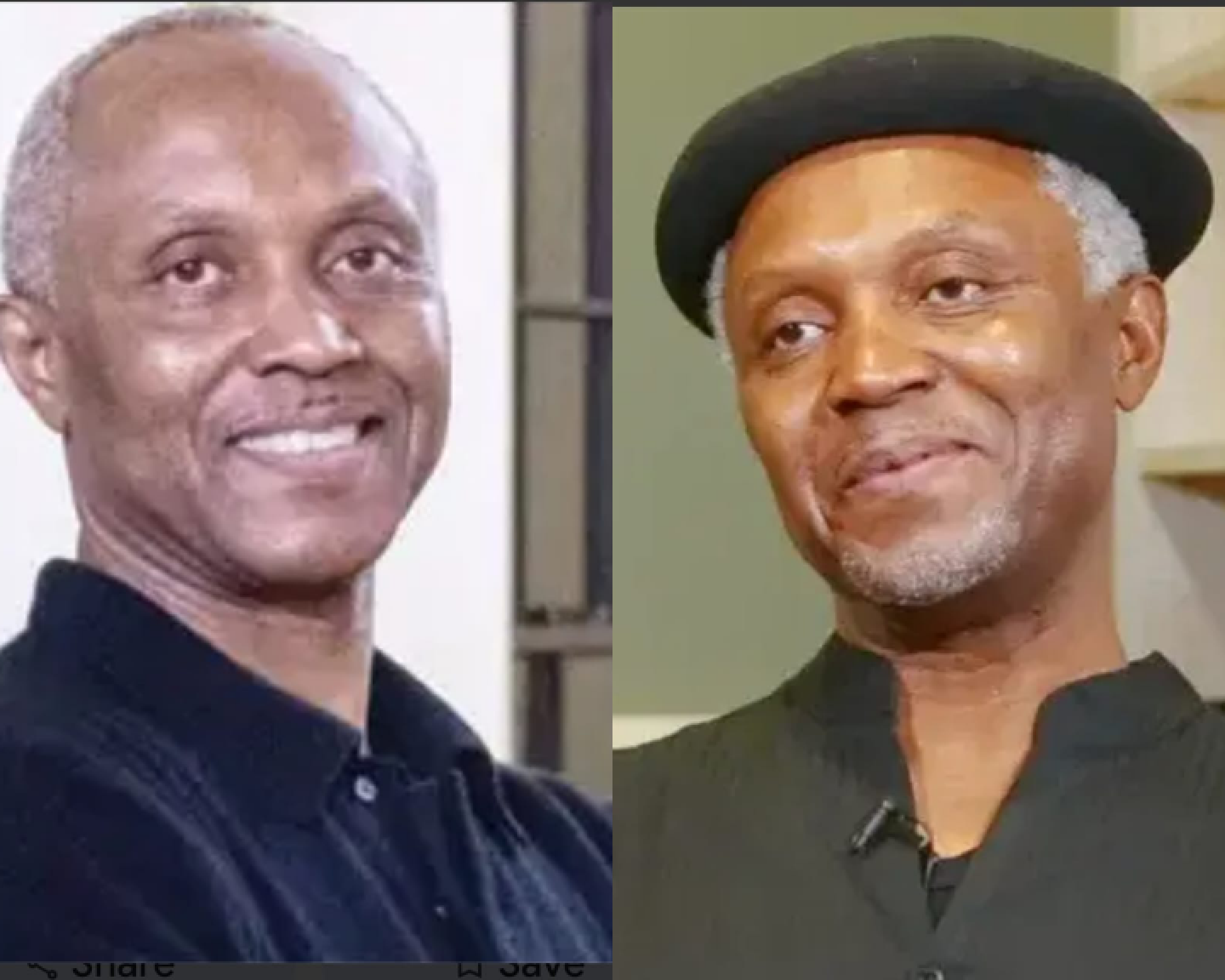
DSS Engages with Professor Okey Ndibe at Lagos Airport
On June 1, 2026, the Department of State Services (DSS) held a discussion with Professor Okey Ndibe, a notable US-based author, at the Murtala Muhammed International Airport in Lagos. This meeting garnered significant media attention, largely due to the profiles of those involved and a potential misinterpretation of the DSS’s motives.
Understanding Security Watchlists
Security watchlists serve as essential tools for governments and financial authorities to monitor individuals considered a potential risk. Such lists are primarily designed for security, regulatory compliance, law enforcement, and public safety. They play a vital role in safeguarding systems from illegal activities, while also flagging politically exposed persons (PEPs) and individuals under international sanctions to ensure that financial transactions remain transparent and compliant.
The Impact of Watchlist Inclusion
Professor Ndibe’s entry into Nigeria was marked by heightened inspections and surveillance by relevant authorities. Watchlisted individuals may face travel restrictions or denial of entry, depending on the circumstances. It is important to note that Ndibe was placed on Nigeria’s security watchlist on January 29, 2013, a decision enacted during former President Goodluck Jonathan’s administration, well before the current leadership of President Bola Ahmed Tinubu.
DSS Clarifies Its Role and Intentions
Following this event, the DSS sought to clarify its interactions with prominent scholars to combat any perception of misusing power or engaging in reckless displays of state authority. On June 2, Deputy Director of Public Affairs, Faber Dosey, articulated that the DSS’s engagement with academics aligns with an ongoing examination of its legacy watchlist activities (WLA).
Review of Legacy Watchlist Activities
The DSS has initiated a comprehensive review of longstanding watchlist records, some dating back to military governance, to prevent unnecessary inconvenience or embarrassment for the public. As part of this process, individuals who have been placed on the watchlist in transit are being contacted regularly. This step is integral to a potential downgrading of their status, which could lead to eventual delisting in accordance with international best practices.
Professor Ndibe’s Experience with DSS
Upon his arrival, Professor Ndibe was indeed interrogated, but he later expressed gratitude for the courteous behavior of the DSS agents involved. He publicly acknowledged the concern shown by his friends and supporters regarding his detention and confirmed that the officers treated him with respect throughout the process.
The Role of DSS in National Security
The Department of State Services plays a crucial role in Nigeria’s national security and intelligence gathering. With mandates that include counterintelligence, economic intelligence, and the investigation of serious crimes, the DSS operates within the country to protect senior government officials as well as citizens. Since the appointment of its new director on August 28, 2024, the agency has adopted a more nuanced approach in dealing with its responsibilities, balancing operational secrecy with engagement strategies. This shift signals a commitment to mending relationships with critics while enhancing internal security measures.
A Shift Towards Civil Engagement
As the immediate controversy surrounding Professor Ndibe’s encounter fades, a broader evaluation of the DSS’s approach becomes necessary. The agency’s recent legal victories suggest a movement toward civil engagement rather than confrontation. By addressing concerns through dialogue and collaboration, the DSS appears committed to refining its operational strategies while still fulfilling its mandate. This newfound approach may help redefine perceptions of the agency’s role in an ever-evolving national landscape.
