


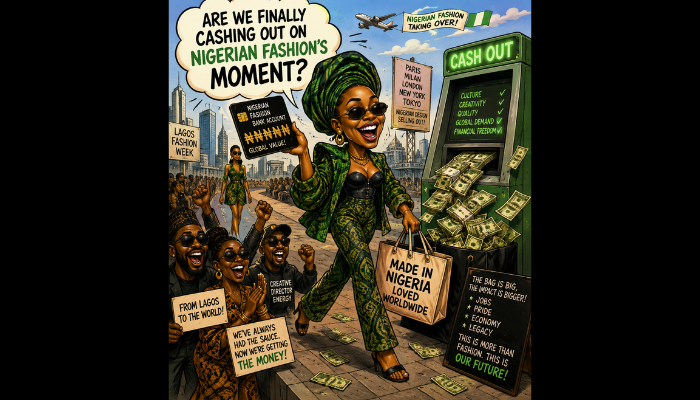
African Fashion’s Visibility Does Not Equate to Profitability
The Africa Magic Viewers’ Choice Awards (AMVCA) annually showcases stunning fashion that captivates the internet, featuring intricate pieces like beaded corsets and hand-knitted headpieces. This year, the spotlight reached audiences far beyond Lagos. However, a recent May 2026 poll conducted by BusinessDay among Gen Z respondents raised a critical issue: is the Nigerian fashion industry truly reaping financial rewards from these viral moments?
Survey Results Highlight Industry Disparities
The survey results are striking. Nearly 38% of participants indicated that only a select group of top designers reaps the benefits from the visibility provided by AMVCA, leaving many others in obscurity. Additionally, 20% noted that while the impact is observable, it’s not adequately supported by funding. Alarmingly, just 27.5% mentioned that heightened awareness translates into actual orders and international customers.
Learns from Afrobeats’ Journey
This trend echoes what Afrobeats once encountered. Despite the genre’s widespread presence before the advent of streaming deals and global tours, financial compensation was often lacking. Today, the pressing question for Nigerian fashion is whether it can learn from these past experiences or risk repeating them.
The Need for Improved Infrastructure
The Gap Between Admiration and Purchase
When questioned about the influence of AMVCA’s eye-catching looks on their spending habits, 35% of respondents expressed admiration but cited affordability as a barrier. An additional 25% described these designs as too artistic for everyday wear. Only 10% actively seek out designers based on these striking looks. This phenomenon illustrates the chasm between cultural excitement and commercial viability—an admiration gap that highlights the current state of the Nigerian fashion market.
Addressing Longstanding Challenges
This divide emphasizes the necessity for designers to offer wearable pieces and not just artistic statements. One respondent stressed the importance of enhancing domestic clothing production, utilizing locally sourced materials, and improving infrastructure, particularly electricity supply. Such shifts are essential for sustainable growth in the fashion sector.
Barriers to Global Revenue Generation
In the poll, when asked what prevents the AMVCA from generating revenues similar to events like the Met Gala, 37.5% cited the absence of a significant retail presence for Nigerian brands in global markets. Additionally, 30% attributed this gap to the lack of major luxury sponsors with the clout to engage international audiences. Competing against established global brands, like Zara, which produce Ankara prints, presents formidable challenges for smaller brands striving to establish their niche.
Intellectual Property and Investment Priorities
Concerns regarding intellectual property rights emerged repeatedly in open-ended responses, with calls for better protection of creative assets. Respondents urged designers to participate in international fashion shows to gain exposure and collaborate with larger brands. Notably, 37.5% of participants believed that both government and private sector investments should prioritize initiatives aimed at promoting Nigerian designers on the global stage, rather than merely creating local fashion weeks to rival those in Paris or Milan.
Respondents Endorse the Export Potential of Fashion
A clear sentiment emerged from the survey: Nigerian fashion has the potential to evolve into a significant export economy akin to Afrobeats, provided it establishes better structure and coordination. Quality standards, financing, manufacturing infrastructure, and effective distribution are crucial elements in realizing this ambition. As one respondent aptly summarized, immediate action is necessary to convert viral attention into sustainable sales and long-term brand positioning.
