


Age and Decision-Making in Nigeria’s Political Landscape
Age undeniably shapes the decision-making processes of individuals, particularly in the realm of finance and politics. Generally, there’s a widely accepted understanding that risk and reward are directly related: higher risks often correlate with greater potential returns. As people age, their willingness to take risks typically diminishes, leading to more cautious decision-making. This phenomenon is not only apparent in financial management but is also observable in political participation.
Nigeria’s political environment is often viewed as perilous; engaging in politics can jeopardize one’s safety, health, reputation, and even family life. The immediate allure lies in the prospect of a luxurious lifestyle offered by political power. Research from the Center for Health Economics Research at the University of Oxford indicates that politicians in Nigeria enjoy a life expectancy that is 4.5 years longer than that of their constituents, partly due to better access to healthcare and compensation. However, once in power, these leaders often succumb to a relentless pursuit of material wealth, resulting in widespread corruption.
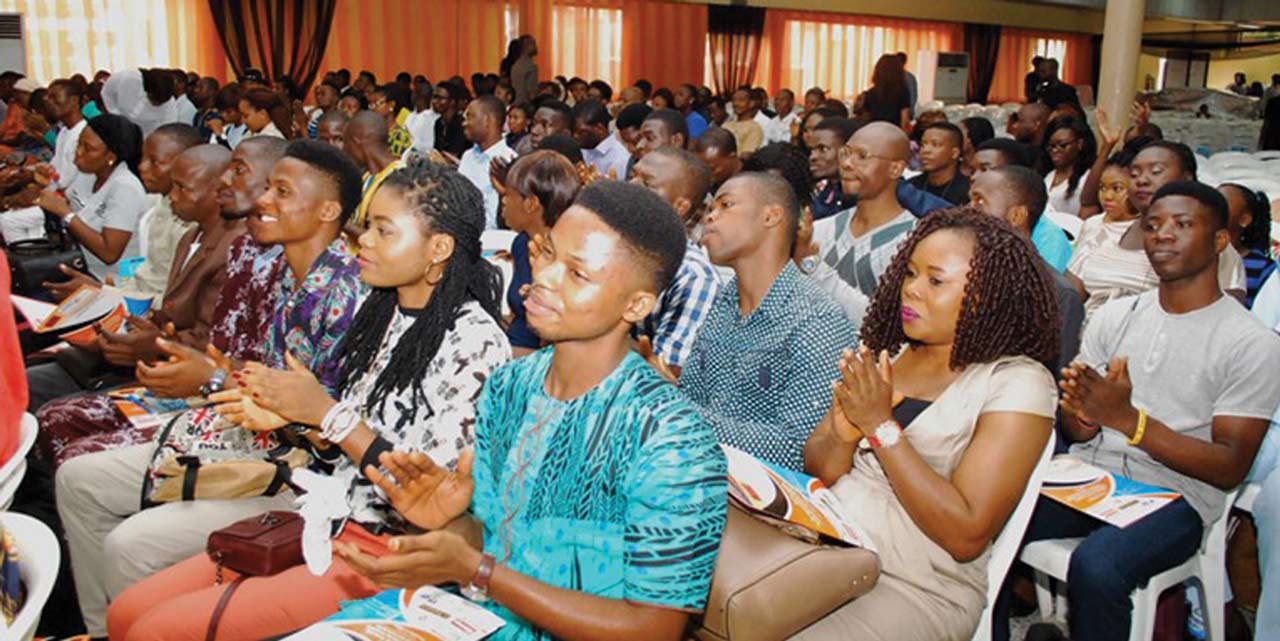
A generational shift in leadership is urgently needed in Nigerian politics, where the average age of politicians starkly contrasts with the demographics of the populace. Currently, the average age in Nigeria is merely 17 years, while the typical age of African leaders stands at 63. This gap of 46 years signifies a profound disconnect, raising questions about how well current leadership can represent a youthful base. The implications of such disparity could be detrimental, particularly as Africa has the youngest population globally, with countries like Niger and Uganda exhibiting some of the lowest median ages.
The median age in the United States is nearly double that of Nigeria, at 33.7 years, juxtaposed against an average leadership age of 55. This disparity highlights that African leaders are significantly older than the citizens they are meant to represent. The consequences of this age gap are severe, stymieing progress and relevance in a fast-evolving political landscape.
Sir Mohamed “Mo” Ibrahim, a prominent businessman and advocate for good governance in Africa, has pointed out the disconnection between older leaders and the aspirations of younger generations. Various organizations, including the World Economic Forum and the African Development Bank, have echoed this sentiment, emphasizing that Africa’s youth must be heard to harness their potential for economic innovation. This calls for a more proactive approach from leaders to involve young people in the political discourse.
To facilitate this change, the Nigerian government, under President Muhammadu Buhari, enacted the #NotTooYoungToRun bill, which reduced the minimum age for political office candidacy from 30 to 25. Despite this legislative progress, systemic barriers remain. Issues such as high entry costs, entrenched corruption, and inadequate voter education continue to hinder young aspirants from participating meaningfully in politics.
Younger leaders, characterized by their propensity for risk-taking, may be more inclined to implement visionary policies that could yield substantial benefits for the public. The landmark infrastructural achievements in Nigeria, from the National Theater in Lagos to the Third Mainland Bridge, can largely be attributed to dynamic leadership. A youthful approach may foster genuine collaboration among stakeholders and drive discussions aimed at sustainable development.
This reflection is not intended to undermine the value of experience that comes with age; rather, it advocates for an intergenerational dialogue that emphasizes capability and innovation. As the youth in regions with limited governmental presence attempt to address community needs—such as building infrastructure—it’s clear that empowered citizens can drive significant change. Investing in human development is paramount; sustainable progress requires nurturing capabilities over mere infrastructural projects.
