


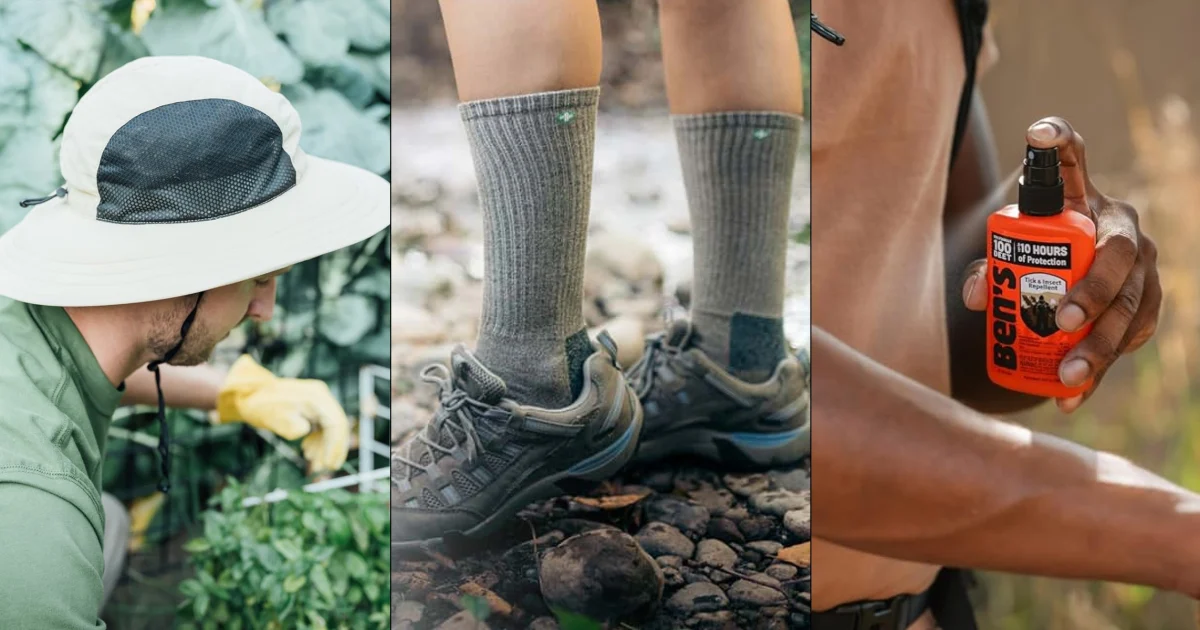
As summer approaches, many are drawn to thoughts of vacations, beaches, and outdoor gatherings. However, it’s crucial to keep tick safety at the forefront of your mind. Preventing tick bites is essential to avoid serious health issues, including Lyme disease.
To navigate the myriad of tick prevention options, I consulted with entomology experts to determine the best products—including socks, hats, and sprays—and the most effective strategies to minimize the risk of tick bites.
Top Tick Prevention Products
The products featured here come highly recommended by experts or have received positive reviews from customers on platforms like Amazon.
Highly Rated Tick Prevention Socks
These Insect Shield socks are EPA-registered and treated with permethrin, a strong repellent effective against ticks, mosquitoes, and other insects. The blend of bamboo viscose, polyester, spandex, and rubber ensures durability and comfort. Ideal for hiking, these socks provide coverage above the ankle and maintain their protective properties even after 70 washes.
With an impressive average rating of 4.8 stars from over 340 reviews, users cite their effectiveness and comfort as key benefits.
Recommended Tick and Insect Spray
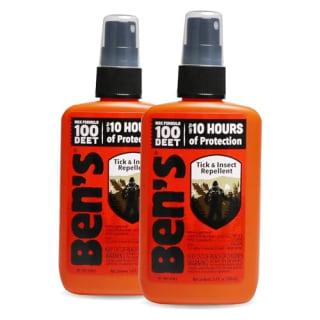
This tick and insect repellent features DEET as its main active ingredient, offering robust protection against ticks and associated diseases such as Lyme disease and Rocky Mountain spotted fever. Unlike permethrin, which is designed for application on clothing, this DEET-based spray can be used directly on the skin, providing up to 10 hours of effective protection without undesirable odors.
Best Clothing and Gear Spray
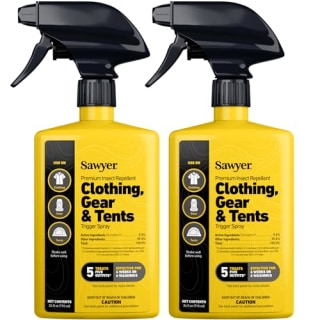
This spray can be used on clothing, shoes, tents, and other outdoor gear that may come into contact with ticks. One application is effective for up to six weeks, even after several washes. While some users note a strong chemical odor during application, it dissipates quickly, making it a popular choice among outdoor enthusiasts.
Essential Tick Prevention Accessories
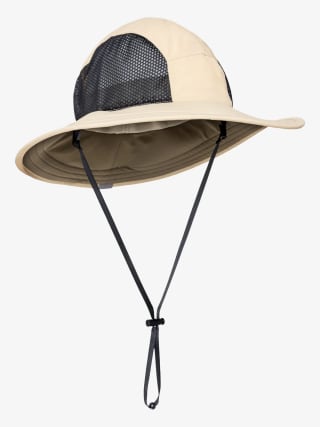
This lightweight hat is treated with permethrin to help repel ticks and features UPF 50+ protection against harmful sun exposure. It’s equipped with adjustable straps to ensure a secure fit during outdoor activities, and its breathable mesh construction allows for ventilation, making it a favorite among users.
Recommended Aerosol Tick Repellents
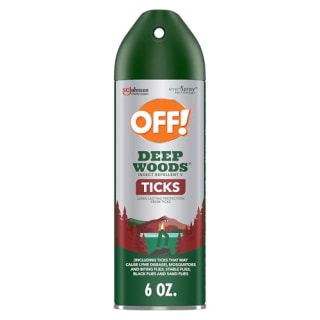
This aerosol from Off! effectively repels ticks, mosquitoes, and other insects. Users appreciate that it is not sticky and can be conveniently sprayed upside down, making it easy to apply to hard-to-reach areas.
Children’s Tick Prevention Socks
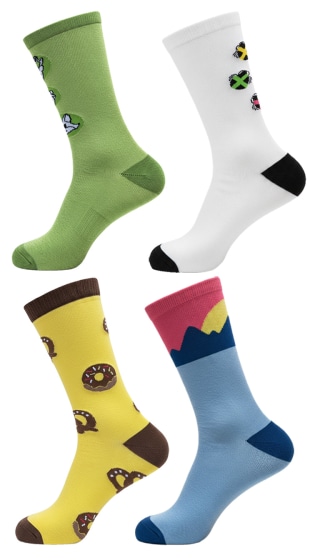
Like the Insect Shield options, these socks are infused with permethrin and come in playful designs that kids will enjoy. Available in packs of four and sizes ranging from small to extra-large, these socks are made from a lightweight blend of bamboo, polyester, nylon, and spandex, making them comfortable for everyday wear.
Guidelines for Choosing Tick Prevention Products
To help you navigate the options available, here are some recommendations from experts for selecting the most effective tick prevention products.
Ingredients play a crucial role. Look for tick prevention products containing the active ingredient permethrin, as advised by Daniel Murkowski, technical advisor for the California Mosquito-Borne Virus Control Association.
“Permethrin is primarily an insecticide rather than a repellent,” Murkowski explains. “It’s intended for use on clothing only.”
Permethrin, an EPA-approved synthetic insecticide, effectively repels various biting and flying insects, including ticks. Murkowski suggests treating clothing and outdoor gear with it, emphasizing its dual role in repelling and killing ticks upon contact.
Another key ingredient is DEET (diethyl metatoluamide), which is often found in skin-applicable insect repellents. Murkowski recommends performing a patch test prior to extensive use to mitigate allergic reactions.
While several insect repellents claim to repel ticks, products outside of permethrin and DEET may not provide reliable protection. “We’ve seen repellents that aren’t potent enough, allowing ticks to crawl until they find a suitable attachment point,” Murkowski cautions.
Alternative ingredients like picaridin and oil of lemon eucalyptus can also be effective. Unlike permethrin, these should be applied directly to the skin.
Strategies for Purchasing Tick Prevention Products
It’s advisable to acquire one product specifically for your clothing and gear, alongside another for skin application.
As noted earlier, utilizing products with DEET or picaridin directly on your skin and ensuring your clothing and gear are treated with permethrin can significantly reduce the risk of tick bites. Options for applying permethrin spray to your own gear are also available.
Effective Tick Bite Prevention Strategies
Experts Murkowski and Buckner recommend avoiding areas known to harbor ticks. Steer clear of dense grassy or wooded regions that may contain leaf litter where ticks thrive.
“Remove tall grass and other habitats favored by ticks,” Murkowski suggests. Creating a boundary around your property with wood chips can help establish a visible tick-free zone.
Additionally, the Centers for Disease Control and Prevention (CDC) stresses the importance of wearing permethrin-treated clothing, as well as applying the treatment to backpacks, chairs, and tents.
Expert Insights on Tick Prevention
At NBC Selected, we collaborate with seasoned professionals who provide knowledgeable insights based on their extensive training and experience in the field. This ensures that recommendations are unbiased and free from financial conflicts of interest.
As NBC Selected’s Commerce Editor, I specialize in content related to home and lifestyle topics. In this article, I consulted two entomological experts to guide readers in effectively selecting products for tick repellent and bite prevention.
