


The Reality of Nigeria’s Controversial Landscape
Nigeria is a vibrant nation steeped in complexity and contradiction. Its daily experiences shape how we perceive our surroundings, influencing our understanding of what it means to belong. This submission reflects a paradox familiar to many: the reality of governance is fraught with disputes and contradictions, leaving citizens grappling with an identity that feels increasingly elusive. The emotional weight of residing in this multifaceted nation resonates deeply, and I aim to express how these dynamics affect us all.
The Energy Drain of Governance
At this moment, the leadership governing Nigeria appears to lack both vision and vigor. The citizens they oversee seem equally disenchanted, unable to rally behind a leadership that feels disconnected from their realities. Instead of fostering a cooperative spirit, both leaders and followers expend their energies on unproductive endeavors, leaving a profound sense of disillusionment. I, too, find myself caught in this web of contradictions, where none of us emerge unscathed.
Nnamdi Kanu and Sunday Igboho: Symbols of Controversy
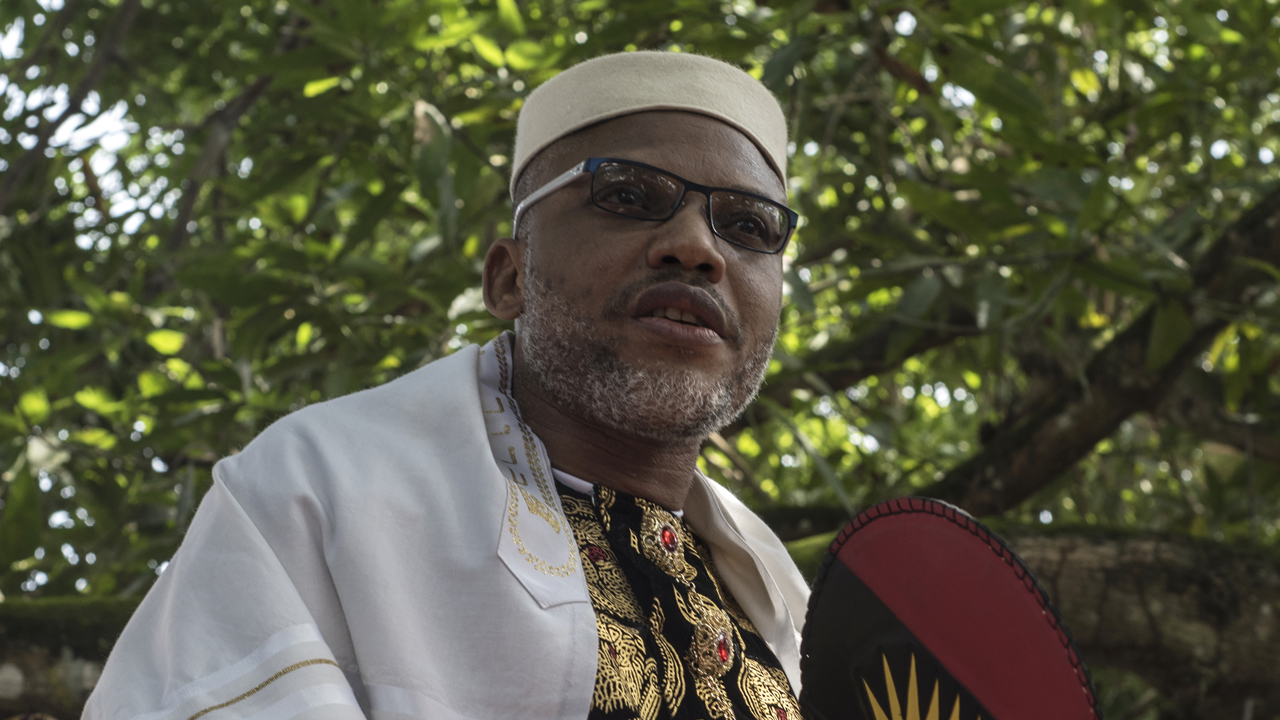
Two names dominate the national discourse: Nnamdi Kanu and Sunday Igboho. Both individuals, now controversial figures, view themselves—and are often regarded by their supporters—as detached from any sense of Nigerian identity. Their followers echo this sentiment, further complicating the national narrative. This article seeks to engage with these complexities, even if the subject matter may spark debate.
The Roots of Political Tensions
The genesis of these tensions can be traced back to leadership dynamics, particularly under President Muhammadu Buhari, who has shaped perceptions of governance since 2015. Initially perceived as a beacon of hope, his administration has instead become a source of suffering for many Nigerians. This disillusionment has led to polarizing figures like Kanu being vilified while also being unavoidably linked to the broader struggles within the country.
The Plight of Nnamdi Kanu
Nnamdi Kanu’s situation exemplifies the consequences of political missteps. His perceived vulnerabilities, highlighted by his arrest and subsequent legal battles, paint a complex picture of a man who once commanded significant influence but now faces existential threats. The circumstances of his capture raise questions about the effectiveness of his support networks, leading many to wonder how his downfall could occur so swiftly. The implications of his struggles are significant; a loss of life in custody would undoubtedly tarnish his legacy, complicating the narrative for his supporters.
Sunday Igboho: A Rising Force
Conversely, the narrative surrounding Sunday Igboho is equally compelling. Since a failed intervention during a Democratic Revolution rally, he has garnered attention for his purported spiritual insights and revolutionary fervor. Many view him as a formidable challenger to the status quo—a man who appears undeterred by the threats surrounding him. Accounts of his capabilities highlight a figure prepared to stand against significant forces, signaling a shift in the dynamics of regional resistance.
The Political Landscape’s Fragility
The current political climate in Nigeria reveals a profound disconnect between lawmakers and the populace. Recent legislative measures, such as the controversial Petroleum Industry Bill, have provoked outrage, particularly regarding their inadequate support for oil-producing communities. This misalignment underscores a troubling trend: politicians seem increasingly out of touch with the changing sentiments of the electorate, risking further discord in an already fragile landscape. The evolving dynamics of Nigeria’s Niger Delta could soon demonstrate that past compromises are no longer tenable. As frustration mounts, the potential for radical change looms on the horizon, necessitating vigilance from all stakeholders.
