


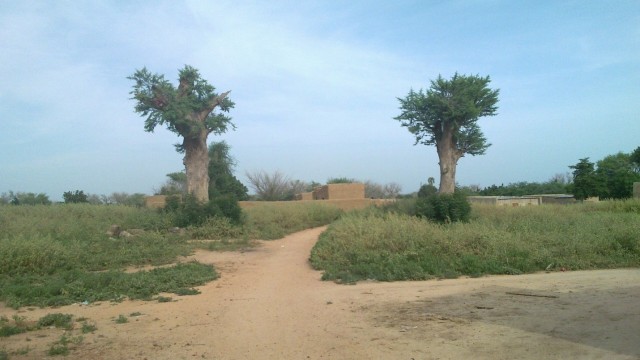
Exploring the Community of Bangui on the Niger-Nigeria Border
Bangui is a unique community situated on the border between Niger and Nigeria, close to the town of Sabon Gida in Sokoto State, Nigeria. The Tamki River serves as the natural boundary separating the two nations. Although Hausa is the predominant language spoken here, the local population comprises various ethnic groups from both countries, including the Fulani-Kartamashak and Maguzawa peoples. Historically, the Fulani are not native to Bangui; they are believed to have migrated from regions in Cameroon and Chad. In contrast, the Maguzawa people trace their roots back to Sokoto and Kano states in Nigeria, while the Karutamashaku are thought to have originated from Agades in Niger.
The Role of Agriculture and Solar Power in Village Life
In Tamki, small communities primarily engage in agriculture and animal husbandry, particularly cattle farming, which is essential for transporting produce and water from the river to their homes. The village relies on a solar power system that provides electricity from 4 PM to 3 AM each day, a critical resource for the residents. They construct traditional huts, known as tidanguts, to store their food supplies. The simplicity and tranquility of village life present a refreshing contrast to urban living, making it a unique experience for first-time visitors.
Harmony Among Tribes and Cultural Traditions
The sense of unity among diverse tribes in Tamki is particularly striking. Residents often interact with one another as if they were family, a rare phenomenon in Nigeria. The community has embraced Islam for generations, and their profound understanding of their history adds to the rich tapestry of their culture. Marriage in this community serves purposes unique to them, and the Fulani hold an annual harvest festival called Gulutungo, which showcases their vibrant traditions. Other tribes also contribute to the cultural fabric through traditional songs performed at weddings and naming ceremonies.
Hospitality and Daily Life in Tamki
During my visit, I was warmly welcomed by the local residents, who offered a diet rich in fresh milk and meat. While they may appear shabbily dressed and economically disadvantaged, the people of Tamki place great value on food, enjoying what they have within the confines of their modest huts. Their contentment speaks volumes about their perspective on wealth and well-being.
Complex Governance Under the Madawa Kingdom
An elder shared insights into the community’s governance structure, revealing that each tribe has its own king, all of whom fall under the Madawa kingdom. Madawa is located in Towa State, where the Fulani king rules over three areas: Madawa, Malia, and Bangui. This governance system, though intricate, functions effectively within the community.
A Scenic Journey Through Bangui
The warm hospitality of Tamki residents was evident as I explored the area, experiencing the beauty and charm of this village. Friendly encounters along my walk created a sense of belonging, while elderly women were seen harvesting millet at the river. The picturesque views along the riverbank are ideal for picnics with loved ones. Although the distance between Bangui and Sabon Gida is walkable, the presence of the river necessitates a canoe for crossing, adding an element of adventure to the journey.
A Glimpse into a Timeless Africa
This community evokes memories of an Africa that harmonizes with nature, offering a nurturing and kind environment often overshadowed by modern challenges. Life in this remote village is largely unaffected by external events, fostering bonds among its inhabitants that surpass any I’ve encountered in my travels across West Africa. The unyielding simplicity and beauty of life in Bangui provide an enriching perspective on cultural resilience and community spirit.
