


Kwara State Governor Advocates for Collaboration in AI Development
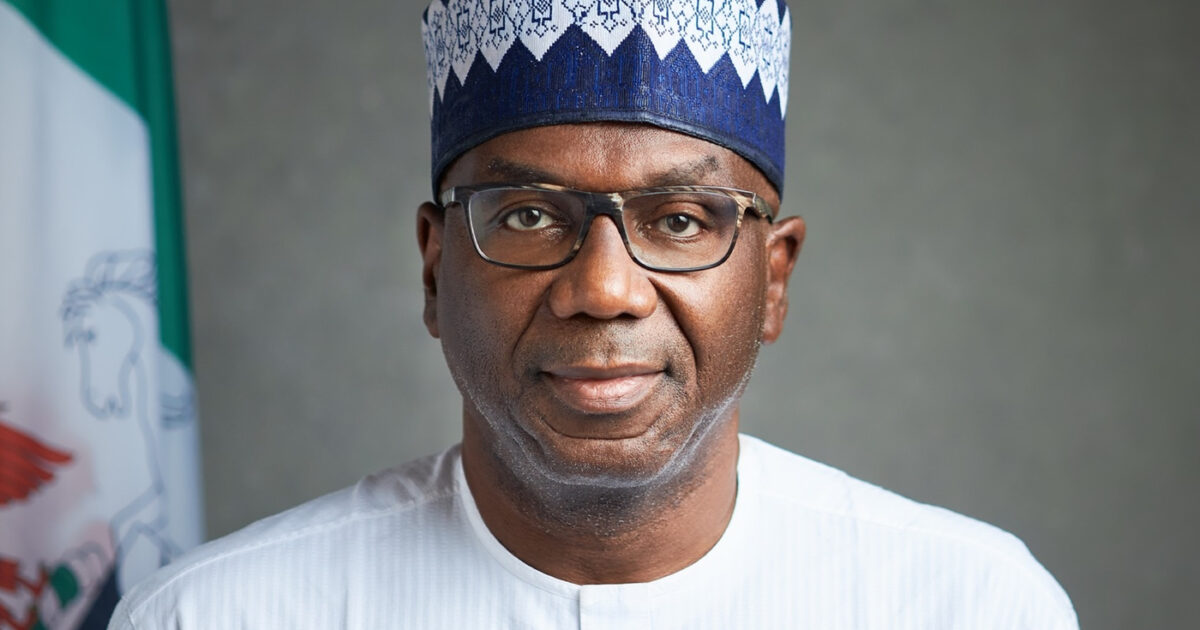
Kwara State Governor Abdulrahman Abdulrazaq has urged researchers, investors, and innovators to partner with governments at all levels to advance the implementation of artificial intelligence (AI) and digital solutions across key sectors such as agriculture, healthcare, education, and governance. The governor made this appeal during the 4th Biennial International Conference in Ilorin, jointly organized by the Faculty of Communication and Information Sciences at the University of Ilorin and the Faculty of Philosophy at Redon University, Russia.
Importance of Collaboration Between Governments and Technology Stakeholders
Represented by his special advisor Sadhu Sarau, Abdulrazaq emphasized the necessity of collaboration between governmental bodies and technology stakeholders to unlock the transformative potential of AI and digital innovations. “Collaboration is key to piloting and scaling AI applications in various sectors,” he stated.
Building Human Capability for Effective AI Utilization
The governor highlighted the importance of developing human capabilities as a prerequisite for successfully leveraging AI technologies. Initiatives such as the Ilorin Innovation Hub and TechUnlimited aim to equip thousands of young people with skills in data analysis, software development, and foundational AI knowledge. “AI is only as effective as the human understanding that drives it,” he noted.
Strategic Partnerships to Enhance Digital Infrastructure
Abdulrazaq also mentioned the state’s strategic positioning to serve as a local partner for global technology companies. Through a Memorandum of Understanding with the U.S. Embassy, Kwara’s innovation hub now has access to a network of international expertise and funding. He elaborated on the partnerships with companies like IHS Towers and MTN, stating that these collaborations are geared towards expanding digital infrastructure and developing innovative solutions that go beyond traditional corporate social responsibility initiatives.
Kwara’s Vision for Tech Investment and Development
The governor reiterated his vision for making Ilorin and Kwara a reliable investment destination for technology and human resource development in West Africa. He emphasized the impact of digital technology on education, citing programs like KwaraLEARN, which leverage real-time data to enhance learning outcomes in public primary schools across all 16 municipalities in the state.
Call for Ethical Guidelines in AI Implementation
Advocating for a framework to regulate the incorporation of AI, Abdulrazaq stressed the importance of ethical guidelines to mitigate potential negative consequences. “Every innovation must be steered by ethical considerations and legislation,” he asserted, underlining the significance of responsible practices in technology deployment.
Impacts of Digital Transformation on Nigeria’s Economy
In a keynote address, Nigeria’s Comptroller General of Customs, Bashir Adeniyi, pointed out the profound shifts that the digital revolution is bringing to society, emphasizing that the principal challenge lies in the effective implementation of technology. Adeniyi highlighted the critical role universities play in fostering ethical thought and knowledge in an era of rapid digital transformation, illustrating how e-payment systems in Nigeria are evolving rapidly, with projections estimating transactions to reach 1.7 trillion naira by 2024.
Redefining Education and AI’s Role
Adeniyi remarked on the transition from a cash-based economy to one where mobile phones serve as banking and service tools. He reinforced that AI should be perceived as an assistive tool rather than a substitute for human intelligence. While AI can facilitate tasks like grading exams or translating content, it cannot replace the essential human aspect of education, where teachers impart meaning and critical thinking, he concluded.
The Need for Evolving Academic Curricula
Encouraging universities to redesign their curricula, Adeniyi called for a focus on critical thinking, interdisciplinary learning, ethics, and practical problem-solving skills. Professor Wahab Egbewole, Vice-Chancellor of the University of Ilorin, expressed optimism that the conference would yield actionable insights and policy recommendations necessary for nurturing sustainable development in light of rapid technological advancements. The conference served as a global platform, drawing participation from academics and experts across Africa, Europe, and Asia to explore the harmonious coexistence of humans and AI in driving innovation and ethical progress.
