


Impact of Ultra-Processed Foods on Muscle Health Uncovered in New Study
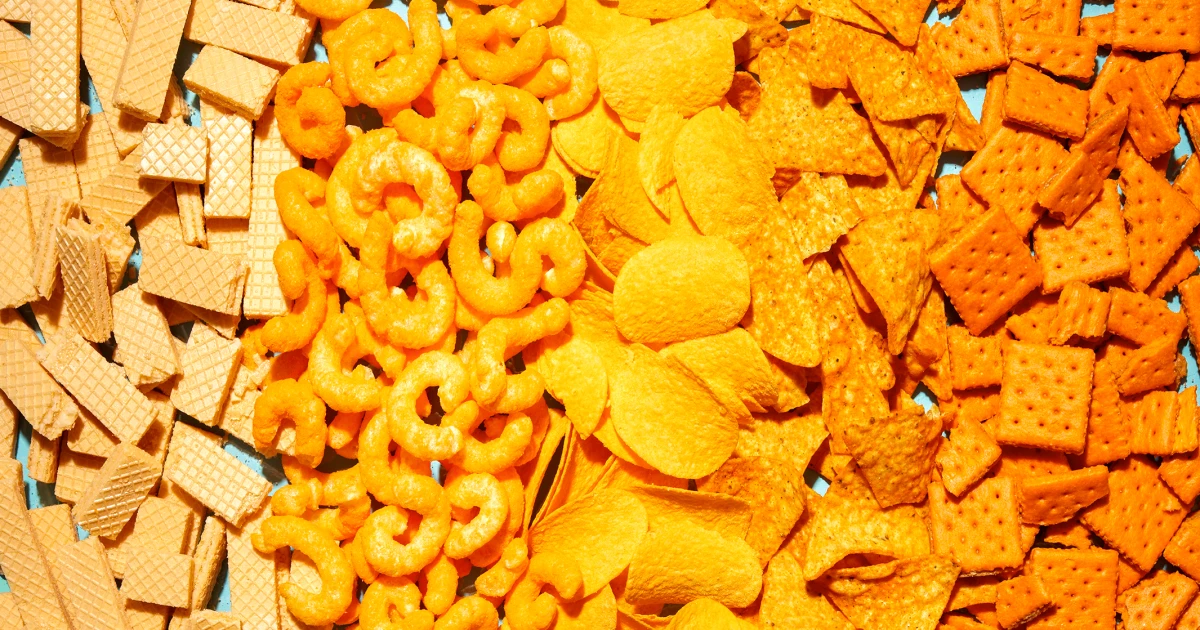
A recent study published in the journal Radiology highlights the detrimental effects of excessive consumption of ultra-processed foods on muscle health. These foods typically include salty snacks, sugary beverages, and fast food, which collectively represent a significant portion of the average American’s caloric intake. While their negative implications for heart health and diabetes are well documented, the extent of their impact on musculoskeletal health has been less understood.
Diet’s Role in Musculoskeletal Health
According to Dr. Thomas Link, chair of the musculoskeletal imaging department at the University of California, San Francisco, and senior author of the study, the influence of diet on musculoskeletal health is profound. “What is less well known is that diet also has a huge impact on musculoskeletal health,” Link stated, emphasizing the interconnectedness of dietary choices and physical well-being.
Understanding Muscle Fat Storage
The human body stores fat in two primary forms within muscle tissue: intermuscular fat, which appears as fat “stripes” between healthy muscles, and intramuscular fat, found in droplets within muscle fibers. Christopher Fry, co-director of the University of Kentucky’s Muscle Biology Center, notes that while everyone possesses both types of fat, elite athletes often maintain leaner muscle compositions, with minimal intermuscular fat buildup.
Fat Accumulation and Muscle Function
As Fry explains, the manner in which the body utilizes fat can significantly alter muscle structure. For athletes, intramuscular fat primarily serves as an essential energy reserve, particularly during periods of intense exertion. However, when these energy reserves are unused, or in the case of metabolic disorders such as type 2 diabetes, fat accumulation can broaden, especially in muscle separations, leading to a range of muscular issues.
Research Findings on Diet and Muscle Fat
To investigate the dietary effects on muscle fat, Link and his team evaluated data from 615 participants enrolled in the National Institute of Arthritis and Musculoskeletal and Skin Diseases’ Osteoarthritis Initiative, all of whom were at risk for knee osteoarthritis due to factors such as obesity or previous knee injuries. Their findings revealed that high levels of intermuscular fat pose significant risks, particularly concerning knee arthritis, as the fat alters how muscles exert force, affecting joint health.
Correlation Between Diet and Muscle Fat Storage
In the analysis of participants’ body mass index (BMI), dietary habits, and MRI scans, researchers discovered that those consuming diets rich in ultra-processed foods exhibited higher levels of fat stored in their muscles, independent of BMI, caloric intake, or physical activity levels. While further research is necessary to establish a direct causal link, these results suggest a troubling correlation between ultra-processed food consumption and muscle fat accumulation.
Long-Term Lifestyle Changes for Muscle Health
Dr. Tamiko Katsumoto, a clinical associate professor of immunology and rheumatology at Stanford University, warns that if ultra-processed foods are indeed responsible for muscle fat accumulation, the ramifications could extend beyond the thighs. She highlights the importance of robust leg muscles in maintaining knee function and overall stability. Furthermore, studies indicate that a mere 1% increase in muscle fat correlates with a 7% rise in cardiovascular disease risk, along with an association between intramuscular fat and type 2 diabetes risk.
Strategies for Reversing Muscle Fat Accumulation
Link asserts that reversing muscle fat accumulation is achievable through increased consumption of whole foods, reduced intake of ultra-processed items, and enhanced physical activity. In tandem, these lifestyle changes are vital for preserving muscle mass while facilitating fat loss. Frye adds that while weight loss can be beneficial, the gradual nature of fat accumulation necessitates sustained lifestyle adjustments to effectively combat it.
