


Call for Legal Action Against South Africa Over Xenophobic Attacks
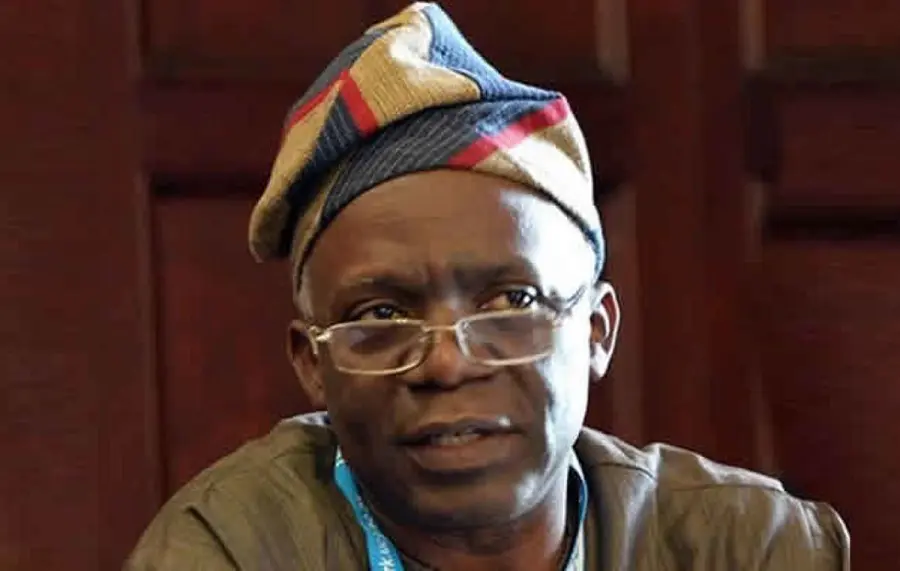
Femi Falana, a prominent human rights lawyer and Senior Advocate of Nigeria (SAN), has urged the governments of Nigeria and Ghana to initiate legal proceedings against South Africa in the African Court of Human Rights. This plea comes in response to the ongoing persecution and expulsion of African migrants amid a climate of xenophobic violence.
Falana proposes that the legal case should be anchored under Article 5 of the Protocol to the African Charter on the Establishment of the African Court on Human and Peoples’ Rights, which was established in 1998. He emphasizes the need for the two nations to seek urgent measures to avert further attacks and request compensation from the South African government for the damages inflicted on their citizens.
“It is imperative for Nigeria, Ghana, and other African countries, whose citizens have faced violence or brutalization in these xenophobic attacks, to take legal action against South Africa at the African Court of Human Rights in Arusha, Tanzania,” Falana stated in his public address on Sunday.
He also criticized Nigeria’s lack of recognition for the jurisdiction of the African Court of Justice, contrasting it with Ghana’s proactive stance. According to Falana, this refusal hampers victims of human rights violations from accessing justice effectively. “Nigeria’s unwillingness to accept the jurisdiction of the African Court of Human and Peoples’ Rights denies victims of xenophobic violence the chance to seek legal recourse, including reparation for damages,” he asserted.
Falana urged the Bola Tinubu administration to facilitate access to the African Court for Nigerian nationals impacted by xenophobic violence, in alignment with Article 34, paragraph 6, of the relevant protocol. He highlighted that due to a recent surge in xenophobic incidents in South Africa, many Nigerians have allegedly been coerced to leave without recourse to their businesses and assets.
Despite the Nigerian government’s announcement of intentions to pursue compensation, Falana noted that many victims were forced to leave their investments and businesses behind. Mr. Alexander Ajayi, the acting High Commissioner of South Africa in Nigeria, confirmed that efforts are being made to document businesses and properties left by Nigerians during these expulsions.
Furthermore, Falana cautioned against pursuing this matter through the African Union, pointing out its limitations. He stated that engaging the AU would be “a complete diversion and a waste of time,” given that the organization lacks the legal power to enforce reparations against the South African government, which can only adopt resolutions.
In a broader context, Falana compared South Africa’s international advocacy against Israel with the situation at hand, urging African governments to seek judicial remedies through appropriate legal channels. He referenced the recent commendation of South Africa for bringing Israel to the International Court of Justice (ICJ) over allegations of genocide against Palestinians in Gaza, highlighting that such international dialogues underscore the efficacy of legal action on the global stage.
