


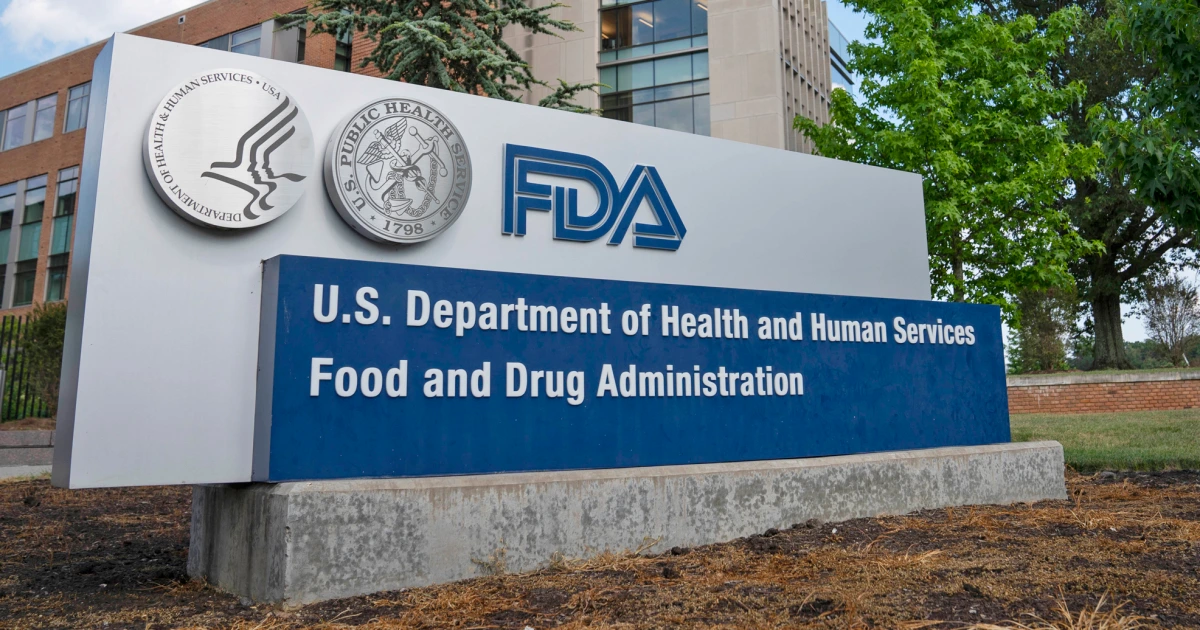
FDA Advisory Committee Votes to Reassess Peptide Restrictions Amid Scientific Concerns
The Food and Drug Administration’s advisory committee has voted narrowly to relax restrictions on certain peptides, despite significant opposition from agency scientists. The decision comes amid a heated debate regarding the safety and efficacy of these compounds.
Concerns Raised by FDA Experts
During a lengthy meeting, FDA scientists articulated concerns regarding the insufficient evidence supporting the use of peptides and emphasized potential safety risks. Central to the discussion was the ambiguity surrounding the chemical identity of these peptides; medical experts highlighted that no universally accepted chemical formula exists for each variant, complicating their evaluation for regulatory purposes.
Growing Popularity of Peptides in the Wellness Industry
Peptides have gained substantial traction in recent years, largely championed by the wellness industry and endorsed by high-profile figures, including health advocate Robert F. Kennedy Jr. and podcaster Joe Rogan. Promoters claim these compounds offer various benefits, from anti-aging properties to enhancements in sleep quality and healing processes.
Regulatory Challenges in the Peptide Market
Despite their rising popularity, many peptides operate within the “grey market,” classified as unapproved by the FDA. Consumers often purchase them online from vendors who label these items as “for research use only,” a loophole allowing the sale of compounds claiming they are not intended for human consumption. Advocates like Kennedy argue that permitting the synthesis of certain peptides could steer individuals away from the grey market and towards safer alternatives.
Advisory Committee’s Recommendations and Implications
In a recent meeting, the FDA’s Pharmacy Compounding Advisory Committee voted in favor of four specific peptides: BPC-157, KPV, TB-500, and MOTS-c. Additional discussions will address Emidertide, Epitalon, and Semax. It’s important to note, however, that this committee vote does not constitute FDA approval for these peptides as drugs; rather, it suggests that they should be added to the list of compounds that compounding pharmacies are authorized to manufacture, pending a final decision from the FDA.
Mixed Reactions Among Committee Members
A total of eight committee members appointed under the Kennedy administration voted to support the inclusion of BPC-157, KPV, and TB-500, but there were dissenting voices. While the arguments largely centered around the potential benefits to patient safety and medical freedom, others expressed dismay over the lack of sufficient data available to make an informed decision.
Scientific Scrutiny and Ethical Considerations
FDA scientists considered specific applications for the peptides: for instance, BPC-157 for ulcerative colitis, KPV for wound healing, TB-500 for injuries, and a role for MOTS-c in obesity and osteoporosis. Some committee members criticized the process, stating that essential data supporting alternative uses were overlooked in FDA presentations. Skeptics within the group cautioned against making decisions based on market demand rather than solid scientific evidence.
Diverse Opinions on the Peptide Debate
Amidst the discussions, differing opinions emerged on how these compounds should be approached moving forward. While some medical professionals argued for FDA involvement to safeguard patients, others warned that endorsing the peptides without sufficient efficacy evidence risks misinforming the public. This reflects a broader ethical debate: should regulatory bodies address market trends, or strictly adhere to scientific validation?
