


Government Approves Major Investment to Enhance Compressed Natural Gas Transit in Nigeria
The Federal Executive Council (FEC) has greenlit an investment of ₦215 billion aimed at expanding Nigeria’s compressed natural gas (CNG) transportation program. This initiative is designed to alleviate transportation costs and address the economic challenges currently facing the nation.
Minister of Finance Outlines Key Details
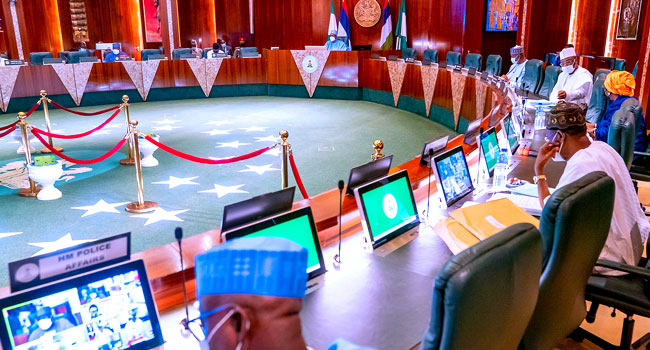
Speaking to journalists after a meeting led by President Bola Tinubu at the Presidential Villa in Abuja, Finance Minister Taiwo Oyedele elaborated on the investment details. The approval encompasses the procurement of 200 CNG-fueled buses, building on previous initiatives under the administration’s Clean Energy Transportation Program.
Emergency Measures Prompt Quick Approval
Oyedele indicated that some earlier investments had received pre-emptive approvals from President Tinubu due to their urgent nature. However, the recent FEC decision enables the full allocation of funds necessary for the program to proceed.
Public Transport Costs and Challenges
The government aims to not only reduce public transport expenses but also promote the use of alternative energy vehicles. Nonetheless, the minister raised concerns over operators using government-supported CNG vehicles still charging the same fares as those relying on gasoline. He characterized this situation as operators taking undue advantage rather than adhering to the intended benefits of the program.
Call for Fair Pricing in Public Transportation
Oyedele urged transport operators who have benefited from subsidies for CNG conversion kits and other governmental support to reflect cost savings in fares. He emphasized the need for collective action in the interest of the country’s progress, stating that fair pricing will aid in the success of these initiatives.
Broader Financial Support Initiatives Approved
In addition to the transportation program, the FEC also granted approval for financing deals totaling approximately $900 million to bolster agriculture, rural development, technical and vocational education, and the establishment of special agro-processing zones. These loans are expected to enhance agricultural productivity, food security, and rural economic growth.
Funding for Small and Medium Enterprises
Furthermore, two financing facilities were approved to facilitate affordable credit access for small and medium enterprises via the Development Bank of Nigeria (DBN). The combined total of €200 million and $500 million will offer low-cost financing to micro, small, and medium enterprises (MSMEs).
Infrastructure Development Funding Secured
On the infrastructure front, the council sanctioned a $1.2 billion budget for Section II of the Sokoto-Badagry superhighway project in Kebbi State. Oyedele noted that this investment aligns with the administration’s broader strategy to enhance crucial infrastructure while fostering economic growth, job creation, and improved living standards.
