


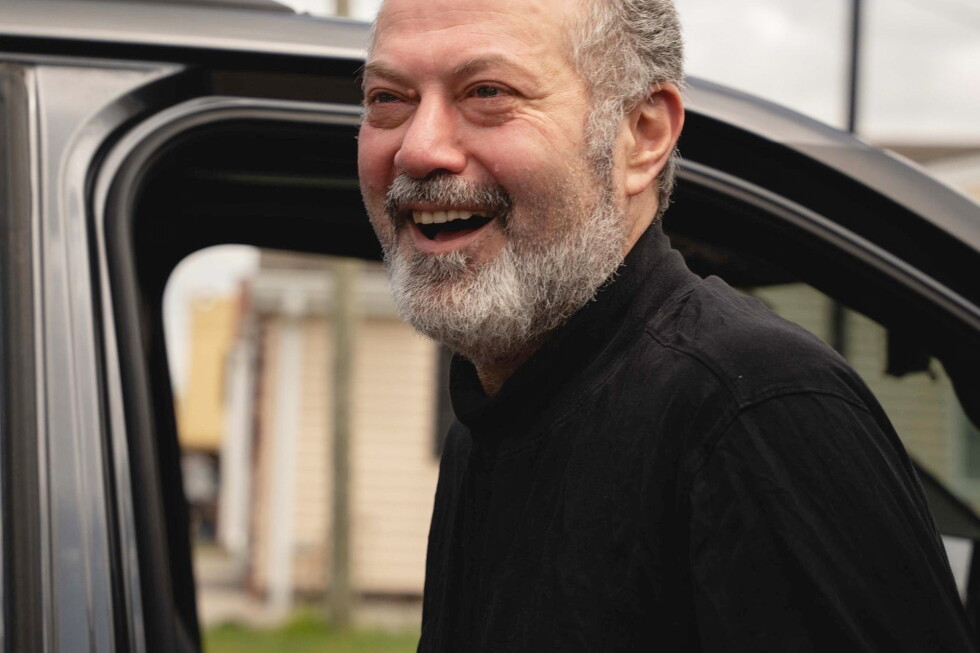
Federal Judge Orders Release of Wisconsin Mosque President
A federal judge has directed immigration authorities to release Salah Sarsour, the president of Wisconsin’s largest mosque, from custody. Sarsour has raised serious allegations, claiming he was targeted for voicing his support of Palestinian rights.
Born in Palestine and a lawful permanent resident of the United States, Sarsour was detained by the U.S. Immigration and Customs Enforcement (ICE). While the government contends he poses a foreign policy threat, Sarsour’s legal team argues that his detention stems from his criticisms of Israel.
In a ruling issued Thursday, U.S. District Judge James Patrick Hanlon stated that attorneys for ICE and the Department of Homeland Security failed to present adequate evidence to counter Sarsour’s claims of retaliation for exercising his free speech. Judge Hanlon also questioned why Sarsour, a legal resident for over 30 years, is now suddenly deemed a threat.
Hanlon, appointed by former President Trump in 2018, emphasized that expressing concerns about foreign relations does not negate First Amendment rights. He ordered Sarsour to be released from the Indiana County Jail and allowed to return home to Milwaukee while his immigration case progresses.
Sarsour was released just hours after the ruling. He expressed relief at being reunited with his family, stating, “For 80 days, I couldn’t step outside and get some fresh air.” He noted the importance of standing up for the silenced, affirming his commitment to advocate for Palestine and humanity.
During his detention, Sarsour, who has type 2 diabetes, lost over 30 pounds. His attorneys reported that his blood sugar was monitored only once per month in custody, which raised serious concerns about his health and risk of organ failure. Malak Saleh, communications manager for the Institute for Middle East Understanding, confirmed Sarsour’s release on Thursday afternoon.
Sarsour’s legal representatives expressed deep relief at the ruling, stating he should never have been detained in the first place. They highlighted how the case underscores the vulnerability of free speech rights when government agencies can target individuals based on their public expressions.
In response, the Department of Homeland Security referred to Sarsour as a “convicted terrorist” and dismissed allegations of discrimination from ICE agents as unfounded. Meanwhile, reports indicate that hundreds of detainees across at least 33 states are embroiled in federal lawsuits regarding similar grievances concerning medical neglect.
While Sarsour has denied past charges of violence in Israel, including throwing Molotov cocktails, he has a criminal history stemming from incidents involving Israeli military courts. Judge Hanlon noted that the U.S. government has been aware of Sarsour’s background for 25 years and had evaluated it multiple times without taking action until recently.
Hanlon concluded that all individuals legally residing in the U.S. are entitled to the same constitutional rights, rejecting arguments that sought to limit Sarsour’s free speech based on his residency status. The judge also considered Sarsour’s significant family connections—his spouse, six children, and nine grandchildren are U.S. citizens—in favor of his release.
Sarsour’s son, Kareem Sarsour, expressed gratitude for his father’s release, sharing the emotional toll the experience had taken on their family. He said, “We’re getting our dad back! This experience has been a daily waking nightmare… But we know what our father is like; he is a voice for the voiceless.”
Boone reported from Boise, Idaho.
