


Federal Budget Allocates ₦8.4 Billion for Road Projects Amid Education Focus
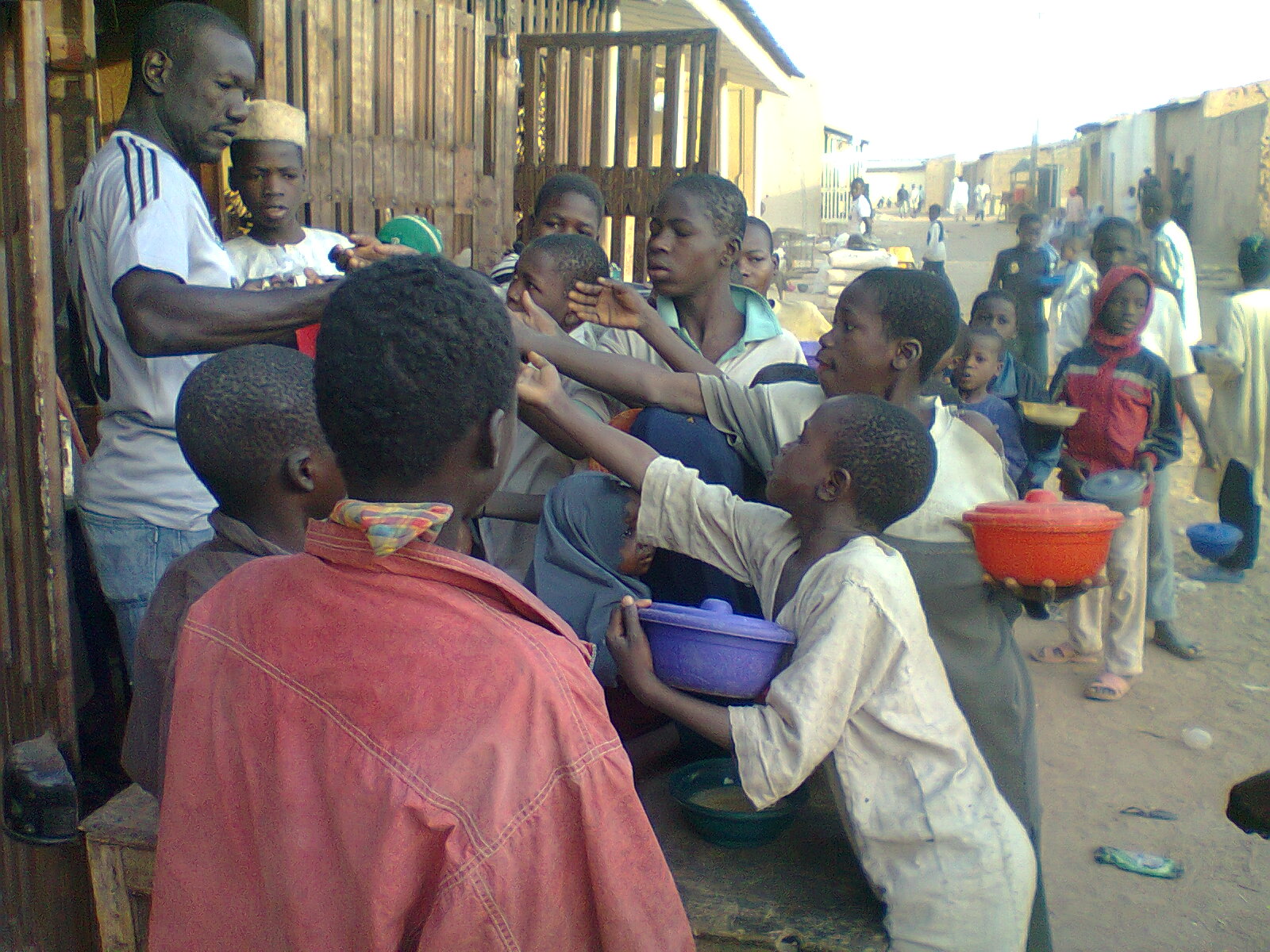
The Nigerian federal government has earmarked ₦8.4 billion for road construction and rehabilitation in its 2026 budget for the National Commission for Almajiri and Out-of-School Children’s Education (NCAOOSCE). This allocation raises questions, as the commission’s primary mandate centers on improving educational access for Almajiri children and those not enrolled in formal schooling.
Budget Analysis Reveals Unexpected Allocations
A review of the 2026 Appropriations Act reveals that road projects are listed within the committee’s headquarters budget. The NCAOOSCE was established to address the issues of out-of-school children, facilitate the integration of Almajiri education into the formal educational system, promote vocational training, and combat youth poverty and street begging.
Significant Portion of Budget Designated for Road Projects
The commission, operating under the Federal Department for Education, received a total budget allocation of ₦29.4 billion for 2026. Of this amount, ₦8.4 billion, representing approximately 29%, was directed toward road projects in Ogun, Katsina, and Ekiti States.
Specific Projects Highlighted in Ogun State
Among the notable initiatives is a ₦1.4 billion allocation for the rehabilitation and construction of several roads, including Obasanjo-Itere Road and the Oke-Ora Road, in Ogun State. Additional funding of ₦1.4 billion has been set aside for projects such as Eyinni High School and Lusada Junction Road, further emphasizing the extensive roadwork planned in this region.
Funding for Internal Roads Across Multiple States
Outside Ogun State, the budget allocates ₦1.05 billion each for internal road construction in both Katsina State’s Danmarke and Sabon Gari Yargoge communities, as well as ₦1.4 billion for road projects at the Government College of Science in Iyin, Ekiti State. These allocations spotlight significant investment in local infrastructure.
Fiscal Scrutiny on Unaligned Spending
The perceived divergence from the commission’s fundamental responsibilities has drawn heightened scrutiny. Recent assessments of government expenditures have highlighted concerns over non-essential spending by federal ministries and agencies (MDAs). For instance, data showed that the Federal Cooperative University and the Federal University of Horticulture incurred significant expenditures on projects seemingly unrelated to their educational missions.
Government Response to Spending Concerns
In response to these findings, Senator Abubakar Kyari, Minister of Agriculture and Food Security, has urged agencies within the ministry to avoid undertaking projects beyond their statutory limits. He emphasized that all departmental initiatives should align with the administration’s priorities, including food security, economic growth, and poverty alleviation, reinforcing the need for agencies to stick to their core mandates.
