


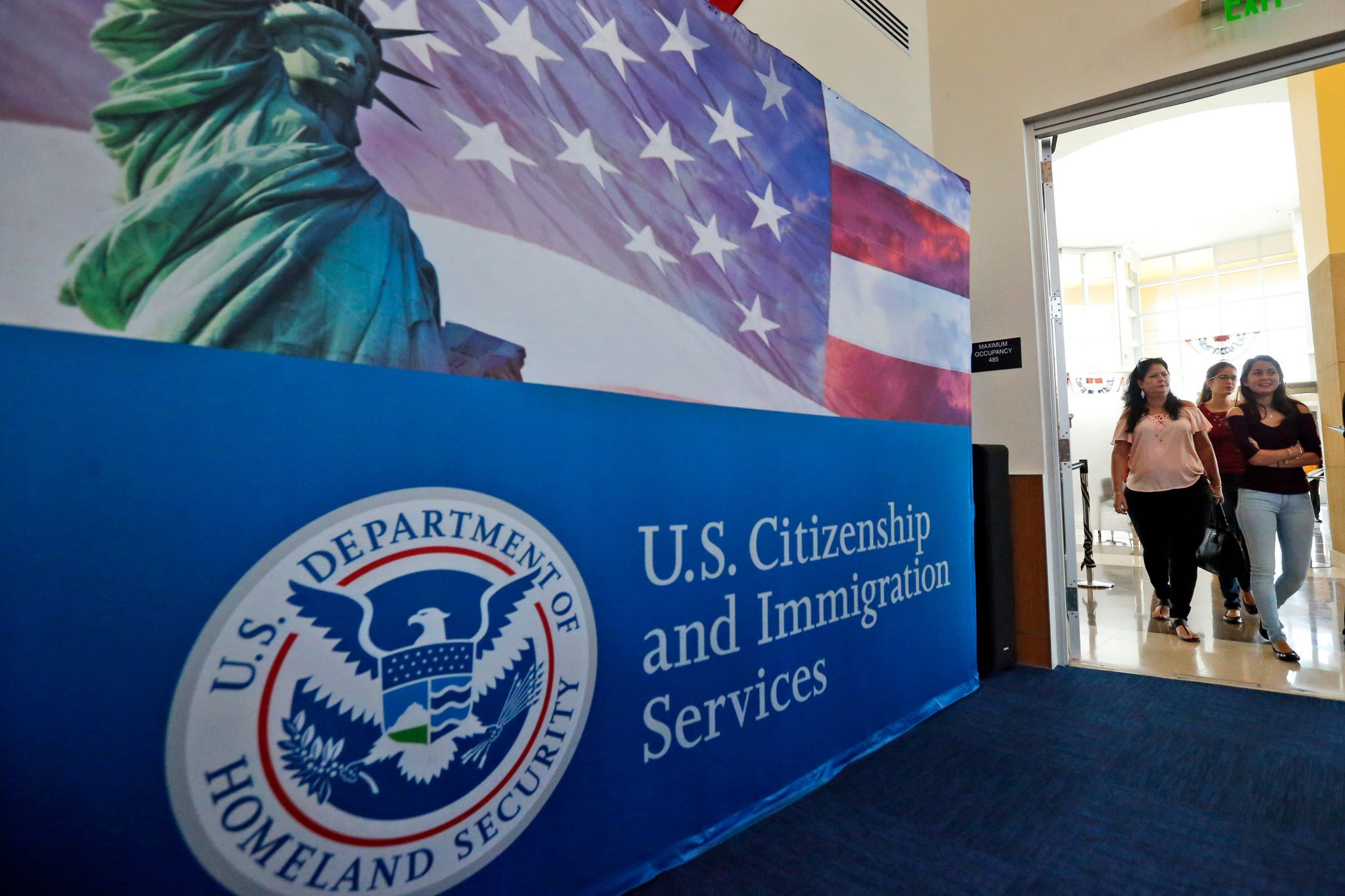
Federal Judge Overturns Significant H-1B Visa Fee Increase
BOSTON (AP) — A federal judge has reversed the Trump administration’s controversial $100,000 fee for new H-1B visas. This decision contradicts a previous ruling that had upheld the fee increase, demonstrating a shift in the legal landscape surrounding this immigration policy.
Fee Increase Aimed at Protecting American Jobs
The fee hikes were introduced by the Trump administration as a measure to mitigate foreign competition for American workers. Officials argued that the increased costs would deter the influx of foreign talent, ostensibly protecting job opportunities for U.S. citizens.
Judicial Ruling Highlights Executive Overreach
U.S. District Court Judge Leo Sorokin ruled in favor of 20 states, declaring the visa policy invalid. He concluded that the executive branch had overstepped its legal authority and violated the Administrative Procedure Act, which dictates how federal agencies formulate and implement regulations.
Concerns Raised About Impact on Workforce
Judge Sorokin commented that the new policy effectively imposes a tax on H-1B petitions without appropriate congressional authorization. H-1B visas, which are crucial for filling highly specialized roles in sectors where U.S. talent is scarce, have been predominantly utilized by affluent tech companies, with a vast majority of approvals granted to Indian workers. States emphasized that the already challenging process of securing H-1B visas for essential roles like teachers and healthcare professionals has been exacerbated by the fee increase.
Widespread Anxiety Among Employers and Applicants
The prospect of substantial cost increases stirred confusion and anxiety among employers, students, and workers both in the U.S. and abroad. The backlash led to multiple lawsuits, including one in Boston, as stakeholders sought clarity and recourse regarding the impacts of these elevated fees.
Ongoing Legal Battles Over Visa Policy
The U.S. Chamber of Commerce has joined the fray with a lawsuit filed in federal court in Washington, D.C., appealing a denial of summary judgment related to the fee hike. Consequently, the elevated rates could remain effective until September 2026, when they are slated to expire. The ruling from Monday serves as a summary judgment with contrasting implications, as additional lawsuits have surfaced in San Francisco from labor and religious groups. This creates the potential for divergent outcomes among three appeals courts.
State Concerns Regarding Educational and Healthcare Access
States have argued that this policy would not only diminish the availability of qualified educators in primary and secondary schools but would also impede academic research and contribute to a shortage of healthcare workers. The plaintiffs indicated that while the administration’s declaration outlines various recommendations for domestic economic goals justifying the exorbitant fee, it fails to address potential repercussions on the capabilities of affected countries to access fundamental services, including education and healthcare.
Department of Homeland Security Responds Critically
In response to the ruling, the Department of Homeland Security issued a statement expressing disagreement with what it termed a “blatant judicial effort to dismantle President Trump’s historic efforts on immigration reform.” The statement emphasized the administration’s commitment to reshaping the immigration system to protect U.S. citizens, workers, and families while maintaining national integrity.
