


Fifteen Charged with Interfering in Federal Immigration Enforcement
ST. PAUL, Minn. – Federal prosecutors have indicted 15 individuals for allegedly obstructing the Trump administration’s immigration enforcement efforts. The U.S. Attorney for Minnesota, Daniel N. Rosen, accused the defendants of conspiring to prevent arrests and deportations by resorting to violent tactics against federal law enforcement. This includes setting up blockades around government buildings and assaulting federal vehicles with ice blocks in Minneapolis.
Allegations of Antifa Involvement
Rosen described the defendants as members of two groups linked to Antifa, a term broadly applied to a coalition of radical leftist activists. In response, defense attorney Kevin Riack defended his client, Isaac Sant, stating that Sant has no association with Antifa, which he labeled a “boogeyman invented by the far right.” Riack emphasized that the prosecution’s actions are aimed at intimidating those protesting against U.S. Immigration and Customs Enforcement (ICE) for alleged legal violations, framing it as a violation of First Amendment rights.
Government’s Position on Antifa
Last September, President Donald Trump designated Antifa as a domestic terrorist organization, directing federal agencies to investigate and dismantle its entities. This characterization further complicates the legal landscape surrounding the current indictments.
Previous Arrests and Broader Implications
Earlier this year, the arrests of eight individuals with purported ties to Antifa raised alarms regarding potential terrorism links, following a mass shooting incident in Texas. The concerns sparked debates among civil liberties advocates about the implications of such designations and the government’s response to increased activism.
Details of the Indictment
Rosen noted that the defendants associated with the group Direct Action Minnesota had allegedly planned and trained for direct confrontations with law enforcement. The alleged conspiracy reportedly began in January, in response to the Trump administration’s sweeping immigration operation—Operation Metro Surge—that aimed to address fraud within the Somali community in Minnesota.
Operation Metro Surge and Public Backlash
Dubbed the largest operation of its kind by the Department of Homeland Security, Operation Metro Surge deployed numerous federal agents to the Twin Cities, often in unmarked vehicles with masks. The aggressive tactics prompted a wave of protests, with activists using anonymous communication channels to track ICE activities and alert others using whistles and car horns during arrests.
Consequences and Legal Repercussions
The indictment states that the defendants engaged in communications regarding potential methods for obstructing federal operations, such as using trailers to block vehicles and distributing shields among protesters. Although Rosen did not disclose whether federal agents were injured in these instances, the charges against the 15 individuals include conspiracy to impede federal officers, which can result in a maximum penalty of six years in prison. Additional charges include interstate stalking and assault on federal officers.
Community Response and Ongoing Tensions
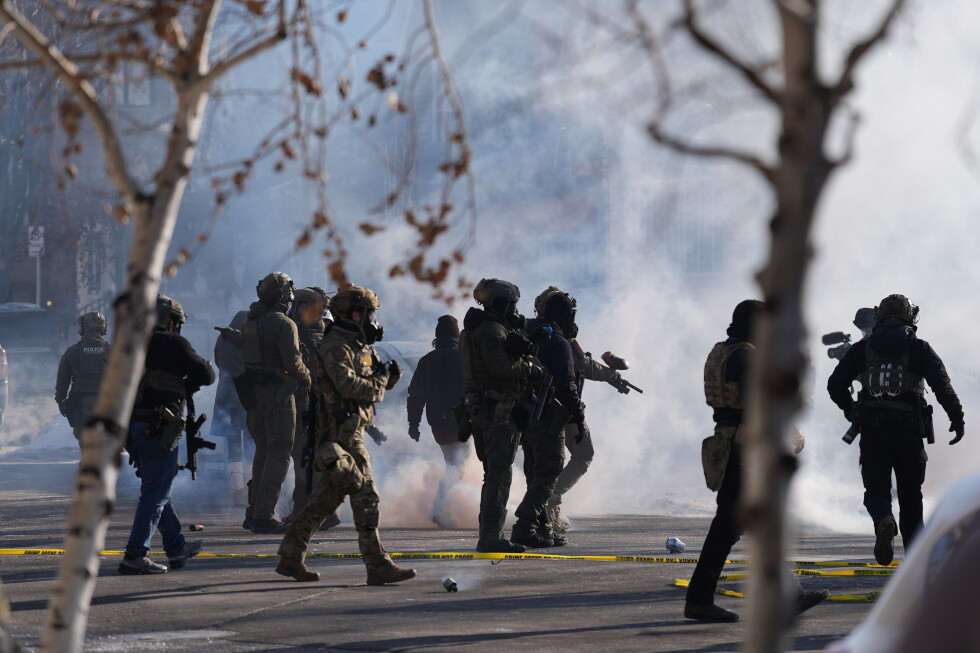
As defendants made their appearances in federal court, protests erupted outside, leading to confrontations between demonstrators and federal agents, who utilized pepper spray to disperse the crowd. Over 4,000 arrests were made during Operation Metro Surge, which the administration justified as a response to rising crime rates and a federal investigation into fraud in Minnesota’s Medicaid programs. In light of these events, Minnesota Governor Tim Walz and Minneapolis Mayor Jacob Frey have voiced their support for the Somali community, criticizing the federal involvement as unwarranted.
