


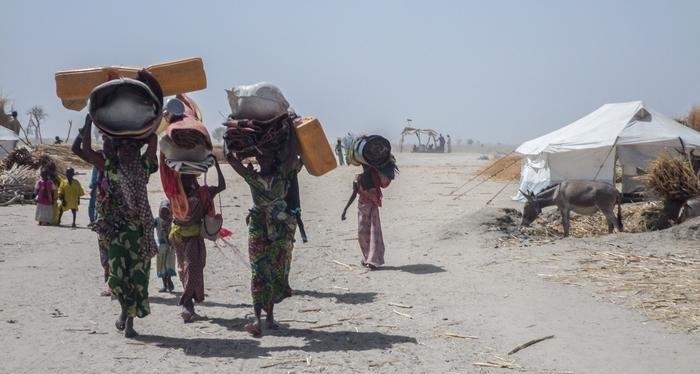
UNHCR Reports 3.7 Million Displaced People in Nigeria as of April 2025
As of April 2025, Nigeria is home to 3.7 million forcibly displaced individuals, according to the recent UNHCR Africa report. The country stands out as one of the hardest hit across West and Central Africa, contributing to a broader crisis where approximately 20 million people are still displaced due to ongoing conflicts, security issues, and extreme weather events.
Regional Trends in Displacement
The UNHCR’s West and Central Africa Regional Trends Report 2026 indicates a modest decline in the overall number of displaced persons in the region, decreasing from 20.7 million in April 2025 to 20 million. However, this slight reduction does not signal a significant alleviation of displacement pressures, as conflicts remain the primary cause of forced migration.
New Displacements Continue Despite Returns
In just the first four months of 2026, about 99,800 new refugees and asylum seekers were registered, demonstrating the persistent pace of new displacements, even amidst some returns in relatively stable regions. This continued influx underscores the complex dynamics of displacement, where improving conditions in some areas coexist with ongoing crises in others.
UNHCR’s Perspective on Recent Trends
UNHCR Africa attributes the marginal decline in the number of displaced persons mainly to returns in countries experiencing improved conditions, rather than a meaningful reduction in the pressures causing displacement. The report emphasizes that while returns may provide localized relief, they do not reflect a broad-based decline in the conflict and security issues rampant across the region.
Implications of Conflict and Insecurity on Displacement
The report highlights that conflict and insecurity remain dominant factors driving displacement, compounded by extreme weather conditions and escalating food insecurity. UNHCR Africa cautions that cross-border migration continues to exert pressure on asylum systems and host countries, many of which are themselves grappling with insecurity and inadequate social infrastructure.
Risk of Statelessness and Societal Impacts
Currently, approximately 932,000 individuals across the region face the risk of statelessness, with the actual figure likely being higher. Women and children bear the brunt of this crisis, constituting 80% of all refugees and asylum seekers, a rate that has remained unchanged since April 2025.
Current Statistics on Displacement in the Region
As of April 2026, about 71% of displaced persons remain within their home countries, totaling approximately 14.2 million internally displaced individuals. The Democratic Republic of the Congo leads with around 5.8 million, followed by Nigeria with 3.7 million. Burkina Faso and Cameroon report 2.1 million and 1 million displaced persons, respectively. The region is also witnessing a rapid increase in cross-border displacements, with refugee and asylum seeker numbers climbing to 3.9 million—up 23% from the previous year.
