


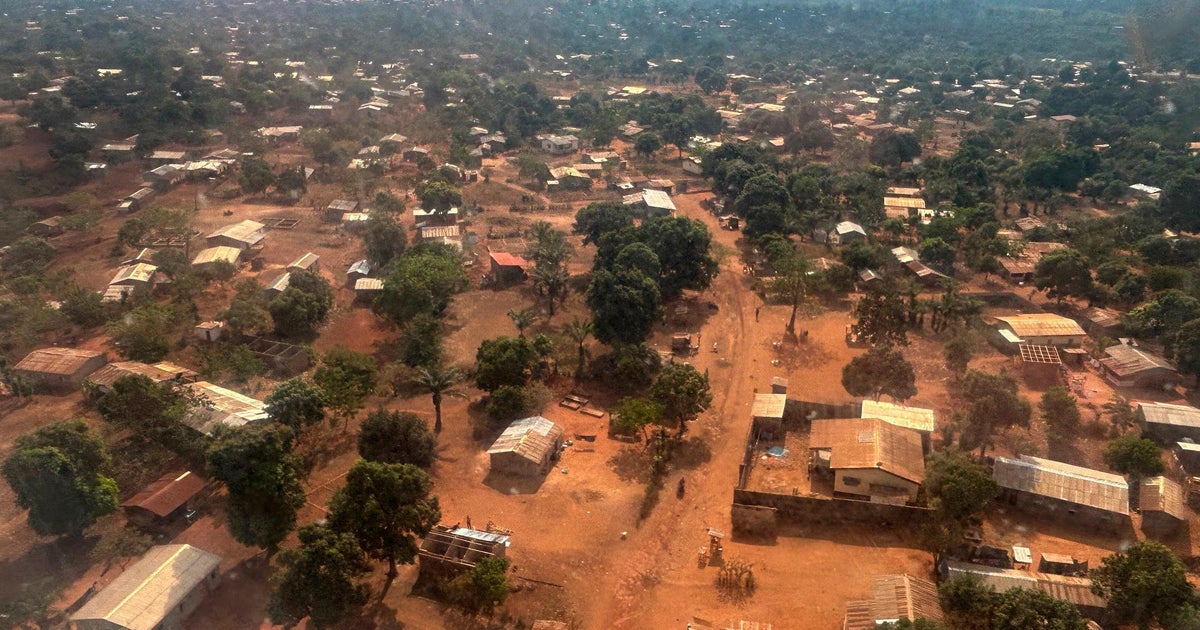
U.S. Deportation of Migrants to Central African Republic Sparks Concerns
The Trump administration recently deported around 20 migrants from Afghanistan, Iran, and other nations to the Central African Republic (CAR), despite the U.S. government strongly advising against travel to the region due to ongoing violence and instability. A U.S. official disclosed this information to CBS News, highlighting the tensions surrounding these deportations.
According to immigration attorneys, among those deported were Iranian pro-democracy activists who had sought refuge in the United States and previously received legal protection from U.S. immigration courts. This raises questions about the immigration policies under the current administration and the treatment of vulnerable populations.
The Central African Republic is recognized as one of the world’s most impoverished nations, enduring decades of civil conflict, human rights violations, and political turmoil. As such, it is classified under a Level 4 travel advisory by the State Department, which unequivocally cautions Americans against traveling there.
The advisory states, “Do not travel to the Central African Republic for any reason. U.S. citizens face risks from insecurity, crime, kidnapping, health hazards, terrorism, and other threats.” This stark warning further complicates the situation for those being deported to such a dangerous locale.
In a troubling directive, the State Department has advised Americans residing in the CAR to prepare wills, set up “proof of life” communications with loved ones, and even leave DNA samples with healthcare providers in case identification becomes necessary for their family members.
The anonymous U.S. official also indicated that migrants from Armenia and Iraq were included in this group of deportees, underscoring the diverse backgrounds of those affected by the administration’s policy. Immigration professionals argue that deporting individuals to a country where they lack ties or support exacerbates their vulnerability.
Emily Trostle, a lawyer representing one of the Iranian activists, revealed that an immigration judge had granted her client a “non-removal” order, indicating a high risk of persecution in Iran. However, she noted that her client had no connections to the CAR and was not informed of her deportation until the day before the flight. Trostle asserts that the Department of Homeland Security disregarded requests from her client to consult with U.S. asylum officials regarding her fears of deportation.
The deportation of these migrants signals a significant shift in U.S. immigration policy. Historically, individuals granted a stay of removal could remain in the United States with work permits. However, the Trump administration is now targeting those with such protections, seeking to deport them to third countries, often under precarious circumstances. This latest move to the Central African Republic is part of an expansive effort to deport a large number of immigrants to nations that are neither their country of origin nor a safe alternative.
The administration has managed to broker agreements with numerous countries, including several in Africa dealing with armed conflicts and political strife, such as South Sudan and the Democratic Republic of Congo, to accept deportees who are not their nationals. Additionally, specific Latin American nations, including Costa Rica and Guatemala, have also agreed to take in deportees from the U.S., complicating the international refugee landscape.
